
Lieferung heute & morgen

Qualitätsgarantie

Willkommens-Angebote freischalten: KOSTENLOSE Lieferung | Bis zu 80 % RABATT | Kostenlose 30-Tage-JoyPlus-Testphase
App herunterladen
A sleeping bag should suit how you plan to use it, your height and the temperatures you expect. For babies, fit, freedom of movement and tested materials are also important. Adults and outdoor enthusiasts, meanwhile, often look at pack size, weight, insulation and how versatile the sleeping bag is for use in a tent or on the go.
Marketing claims can be misleading. A high TOG rating doesn’t automatically mean a sleeping bag is suitable for every room or outdoor temperature. And a compact pack size says little about comfort or warmth. Before buying, it’s worth checking a few key details.
A rating of 2.5 TOG describes a sleeping bag’s thermal resistance, but it doesn’t replace a temperature guide. With a 2.5 TOG sleeping bag for babies, the right clothing also depends on the room temperature, what your baby is wearing underneath and how warm they tend to feel. A baby winter sleeping bag isn’t automatically suitable for every cold environment or for sleeping outdoors.
For outdoor models, consider the comfort rating, limit rating and actual insulation construction separately. If this information isn’t provided, it’s harder to judge the temperatures the sleeping bag can handle.
A baby sleeping bag that’s too large can fit loosely around the neck or armholes. This affects the fit and goes against the principle of not buying a sleeping bag ‘to grow into’. For a 62–68 cm or 70 cm baby sleeping bag, check your baby’s height against the manufacturer’s size chart.
A useful rule of thumb is:
Body length – head length + around 10 cm = suitable sleeping bag length
If your baby is between sizes, the smaller option is usually preferable for a better fit, provided they still have enough room to move freely.
A classic cut may suit babies who sleep quietly, but it won’t be practical for every toddler. A sleeping bag with legs makes crawling, standing and walking easier. Also check whether the feet can be covered or left uncovered.
For adults’ and camping models, the zip design, width and foot area all matter. A mummy sleeping bag often packs down compactly thanks to its close-fitting shape, but offers less freedom of movement than a blanket or envelope style. If you tend to turn over a lot in your sleep, a wider camping sleeping bag may feel more comfortable.
For babies, the neck and armholes should fit snugly without restricting movement. The body should have enough room for natural leg movement. Choose a 70 cm baby sleeping bag based on your baby’s height, not just their age.
For adults, check the usable internal length, shoulder width and foot width. A roomier outdoor sleeping bag can be more versatile, but usually takes up more storage space.
A cotton sleeping bag feels soft and can be a good choice for indoor use. However, cotton absorbs moisture and takes longer to dry than some synthetic fibres. For outdoor models, consider the outer material, filling and care instructions together.
According to the product details, the LaLoona sleeping bag with legs has a 100% cotton outer and polyester filling. It’s machine washable at 30 °C and suitable for tumble drying. The Mobi Garden sleeping bag is listed as having a polyester outer and cotton filling. The manufacturer recommends a gentle wash cycle and thorough air drying.
Choose an adult sleeping bag for the conditions you expect to use it in: overnight stays at home, travelling, summer camping or colder nights. According to the product details, the Mobi Garden winter sleeping bag has a comfort range of 8 to 14 °C, measures 190 × 84 cm when open and packs down to around 25 × 42 cm. It weighs around 1,800 g. These figures are useful for comparison, but they don’t guarantee that the sleeping bag will feel warm enough for everyone at a particular temperature.
If you’re considering a sleeping bag with Primaloft filling, check the specific temperature ratings, weight and pack size on the product page. The name alone isn’t enough to compare it directly with other types of filling.
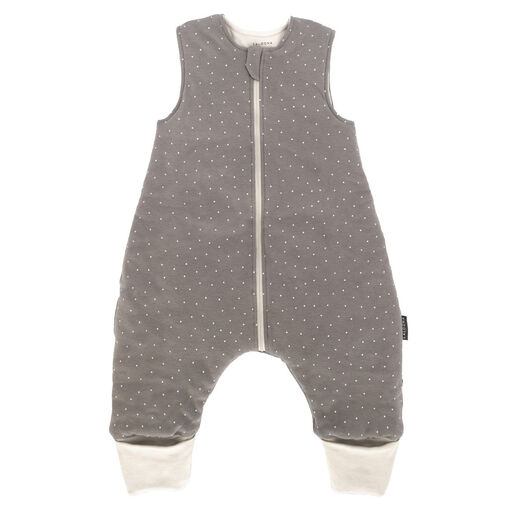
Why this product suits this profile: This 2.5 TOG sleeping bag may appeal to parents looking for a versatile baby sleeping bag with legs for easy movement and straightforward care. The stated size is 70 cm.
The legged design makes crawling and standing up easier. The turn-back foot cuffs let you adjust the fit to suit the situation.
100% cotton outer, polyester filling, full-length zip with chin guard and OEKO-TEX Standard 100, according to the product details.
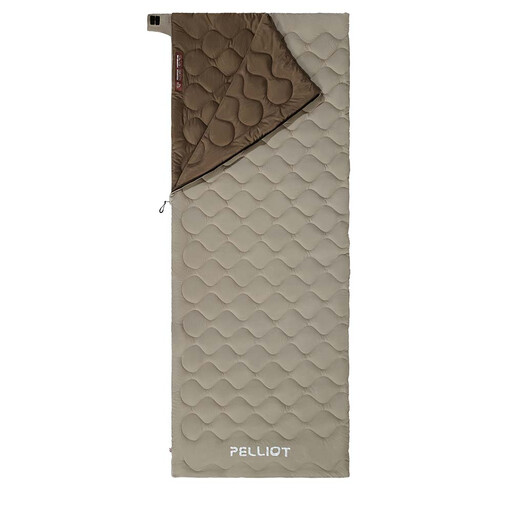
Why this product suits this profile: The product name suggests it’s designed for adults looking for a lightweight, portable outdoor sleeping bag in an envelope style with Primaloft insulation.
The envelope shape makes its intended use clearer than a general warmth claim. Before buying, check the temperature range, dimensions and pack size in the product description.
The product name lists Primaloft insulation, a lightweight envelope style and a portable design. Check the available product details before ordering.
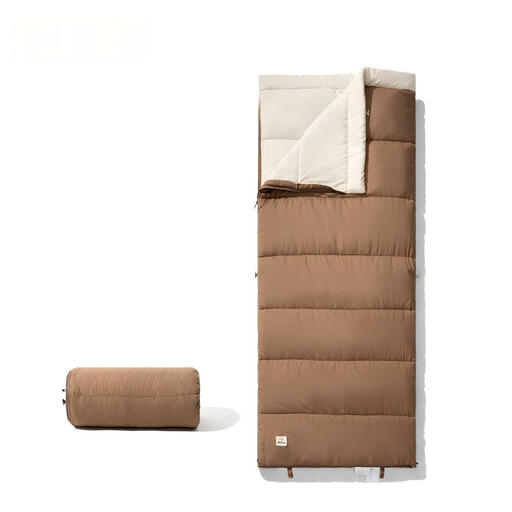
Why this product suits this profile: This model is aimed at campers and travellers looking for a wide sleeping bag with a stated comfort rating and the option to sleep two people.
The comfort range, dimensions, pack size and weight give you a better basis for comparison than the word ‘winter’ alone. According to the product information, it isn’t designed for sub-zero temperatures or high-altitude use.
Comfort range of 8 to 14 °C, measures 190 × 84 cm when open, weighs around 1,800 g and can be joined to a matching version with a left- or right-hand zip to make a double sleeping bag.
We’ve put together a complete, regularly updated list of products that meet these strict selection criteria and fully comply with the safety regulations in force in the EU.
Your baby’s height is what matters, not just their age. Work out the usable length using this formula: body length minus head length plus around 10 cm. With a 62–68 cm or 70 cm baby sleeping bag, the neck opening shouldn’t be too loose. If your baby is between sizes, a good fit matters more than extra room to grow.
A 2.5 TOG sleeping bag is often used in rooms that are mild to cool. What your baby wears underneath should depend on the room temperature and the manufacturer’s guidance. A single TOG rating doesn’t guarantee a particular body temperature. Avoid overheating, and regularly check that your child is wearing suitable clothing and that the sleeping bag fits properly.
Its lifespan depends on how often it’s washed, how much moisture and wear it’s exposed to, and how it’s stored. Keep a camping sleeping bag dry and clean, and avoid storing it tightly compressed for long periods. If you notice damage to the outer fabric, zip or filling, reassess whether it’s still safe to use.