
Lieferung heute & morgen

Qualitätsgarantie

Willkommens-Angebote freischalten: KOSTENLOSE Lieferung | Bis zu 80 % RABATT | Kostenlose 30-Tage-JoyPlus-Testphase
App herunterladen
A slimline washing machine can save plenty of space in a small bathroom, compact kitchen or narrow utility room. However, “slim” isn’t a standardised size. Some models are shallower, while others have a narrower body or combine compact external dimensions with a large drum.
As Joybuy Product Recommendation Officer, I assess product details against clear, practical criteria. This helps you avoid common buying mistakes: a machine that won’t fit through the door, a drum capacity that doesn’t suit your household, or a supposedly energy-saving model with unnecessarily high running costs.
The stated depth often refers to the body of the machine only. The door, water connection and drain hose all need extra space. Before you buy, measure:
A washing machine with a depth of 40, 45 or 48,7 cm may suit a small space. What matters, though, is the full installation setup.
A 6 kg washing machine is often enough for one or two people. Families may be better off with a 7 kg washing machine, or a model with an 8 kg or 9 kg capacity. A 10 kg washing machine offers plenty of drum space, but usually needs more room and is most worthwhile if you regularly wash large loads.
If you regularly fill a large drum only halfway, you won’t make good use of the extra capacity. On the other hand, constantly overloading a machine can affect washing performance and cause stronger vibrations.
A washing machine with a 15-minute quick wash is mainly intended for small, lightly soiled loads. It isn’t a substitute for a full cotton or easy-care programme. A washing machine with a steam function should also be used according to the fabric type, care label and programme instructions.
A front-loading washing machine usually lets you use the space above it for storage. Check which way the door opens and how far it swings. In a very tight alcove, a shallower machine may matter more than a particularly large drum.
Also make sure the floor is level and stable. Adjust the feet properly to stop the machine moving during the spin cycle. Before the first wash, remove the transit bolts as instructed in the user manual.
The EU energy label shows, among other things:
An energy class A washing machine may be a good choice if you use it regularly. Still, compare the stated consumption per 100 cycles rather than relying on the class letter alone. A class D model may be worth considering if it costs less to buy and you’ll use it less often or for smaller loads.
A 1400 rpm washing machine can spin more water out of your washing than a 1200 rpm model. This may affect how long your laundry takes to dry afterwards. Delicate fabrics, however, often need a lower spin speed.
If your home has bedrooms or living areas next to the laundry space, the stated noise level is more useful than claims such as “quiet”. Check the spin-cycle noise rating in decibels. An inverter motor works without traditional carbon brushes, but noise, energy consumption and warranty details should still be considered separately.
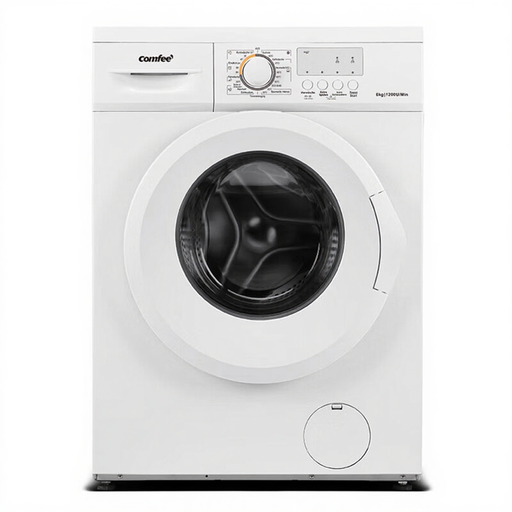
Why it suits this household: According to the product details, this front-loading washing machine is 40 cm deep and has a 6 kg capacity. That makes it a good fit for one or two people with limited space.
The precise depth measurement makes it easier to plan the space. The 15-, 30- and 45-minute programmes are listed as options for smaller loads.
6 kg capacity, 23 programmes, drum-cleaning function and energy efficiency class D, according to the product details.
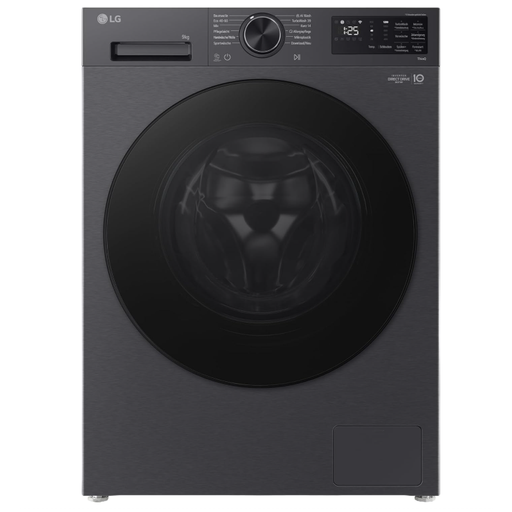
Why it suits this household: The 9 kg drum is suitable for medium to larger households. Steam Wash, Wi-Fi and a time-remaining display make it easier to use.
This model combines the desired capacity with a stated energy efficiency class A. Check its actual depth of around 55 cm before ordering.
9 kg capacity, energy efficiency class A, inverter motor, steam function and Wi-Fi support, according to the product description.
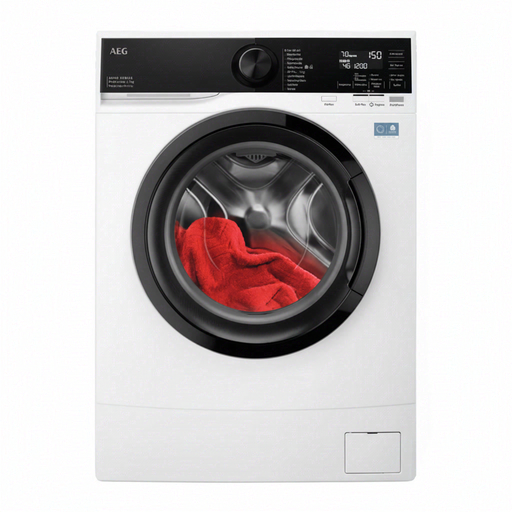
Why it suits this household: This model is 48,7 cm deep, has a 7 kg capacity and offers a 1400 rpm spin speed. Features such as AquaStop, Add Garment and a wool programme are useful for regular use.
The capacity is manageable for smaller households, while the precise depth and spin speed make it easier to plan ahead.
Energy efficiency class A, 1400 rpm, inverter motor, 20 programmes and 45 kWh per 100 cycles, according to the product details.
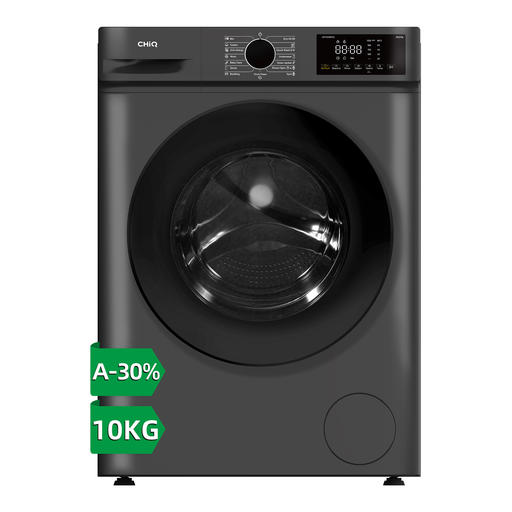
Why it suits this household: Its 10 kg capacity and 530-mm drum are designed for households with large loads, bedding and frequent wash cycles.
The product details list a depth of 52 or 57,7 cm, depending on the version. Check this measurement against the specific product listing.
10 kg capacity, 1400 rpm, BLDC motor, steam wash and 16 programmes, according to the product description.
We’ve put together a complete, regularly updated list of products that meet these strict selection criteria and fully comply with the safety regulations in force in the EU.
For small spaces, machines with a body depth of around 40 to 50 cm are often worth considering. You’ll also need extra room for the door, hoses and ventilation. Measure the alcove in several places and compare it with the manufacturer’s full measurements.
Its lifespan depends on factors such as load size, how often you use it, maintenance and water hardness. Don’t overload the drum, clean the detergent drawer and door seal regularly, and leave the door open after each wash. An inverter motor is a technical feature, but it doesn’t guarantee a particular lifespan.
A smaller machine doesn’t automatically use less energy. The key factors are energy efficiency class, consumption per 100 cycles, wash temperature and load size. Compare these details on the EU energy label and choose a drum size that suits the amount of washing you actually do.