
Lieferung heute & morgen

Qualitätsgarantie

Willkommens-Angebote freischalten: KOSTENLOSE Lieferung | Bis zu 80 % RABATT | Kostenlose 30-Tage-JoyPlus-Testphase
App herunterladen
A vitamin C serum can be a worthwhile addition to your facial skincare routine if you're dealing with dull skin, an uneven skin tone or visible pigmentation. The options range from pure ascorbic acid serums and stable vitamin C derivatives to hydrating vitamin C ampoules. It's precisely this variety that makes comparison so tricky.
Many shoppers tend to focus mainly on high percentage claims or buzzwords like "glow". Yet important details are easily overlooked. As a Joybuy Product Recommendation Officer, I therefore filter out the key information from product descriptions and ingredient lists.
"20% vitamin C" can refer to different active ingredients depending on the product. Pure ascorbic acid is not the same as a derivative such as Ascorbyl Glucoside or Tetrahexyldecyl Ascorbate. Stability, pH level and packaging also affect how it performs in practice.
A vitamin C face serum should therefore not be chosen based solely on the highest number on the label. What matters is which form of vitamin C is actually present.
Pure ascorbic acid in higher concentrations can feel unsuitable for sensitive skin. Additionally, alcohol, fragrances, essential oils or acids in the formula may be relevant. Checking the full INCI list is therefore more important than a general marketing claim.
If you're using a serum for pigmentation for the first time, start with a small amount and do a patch test on an inconspicuous area of skin first.
Vitamin C can oxidise when exposed to light, air and heat. A dark or particularly protective package is therefore a practical selection criterion. If there's a noticeable change in colour, smell or texture, stop using the product. Stored sealed, cool and dry, the formulation generally stays better protected.
Three details are especially helpful for classification:
An anti-ageing serum should also not be marketed with medical claims. Statements about collagen, wrinkles or pigmentation are to be understood as cosmetic product promises, not treatment results.
If you have sensitive or redness-prone skin, it's worth checking the following points:
A brightening face serum should initially be applied sparingly to cleansed, dry skin. If you experience stinging, redness or a rash, discontinue use. Avoid the eye area and any broken skin.
Light-protected packaging, a tight-sealing closure and clear information about shelf life make safe use easier. In the morning, follow your serum with a sunscreen with an appropriate SPF as part of your routine. This is especially important if the formula also contains glycolic acid or salicylic acid.
The selection below takes into account different concentrations, vitamin C forms, skin needs and usage habits.
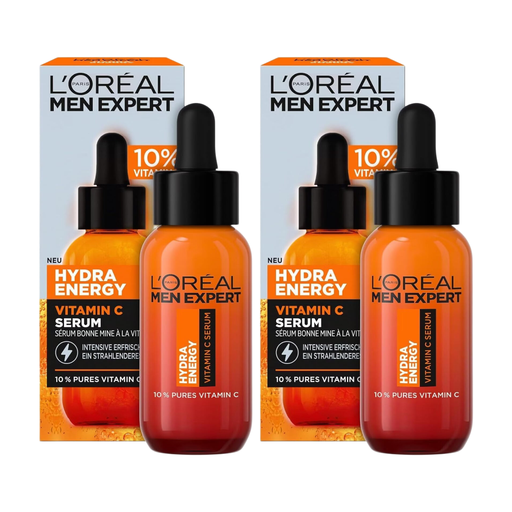
Why this product fits the profile: According to the product information, the formula contains 10% pure ascorbic acid and can be integrated as a classic vitamin C serum into a simple routine.
The concentration is clearly stated. This makes comparison with other serums easier, but does not replace a patch test.
10% pure ascorbic acid, 30 ml content, plus Glycerin, Squalane and Sodium Hyaluronate in the INCI list.
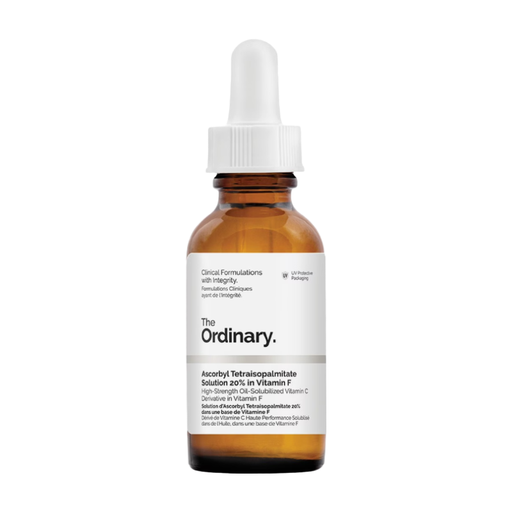
Why this product fits the profile: The oil-based texture with 20% Tetrahexyldecyl Ascorbate is aimed at those who prefer a vitamin C derivative over pure ascorbic acid.
The product type and the vitamin C derivative used are clearly named. This prevents the concentration claim from being confused with pure ascorbic acid.
Oil-based solution with Tetrahexyldecyl Ascorbate, Jojoba Oil, Tomato Extract and Squalane according to the product information.
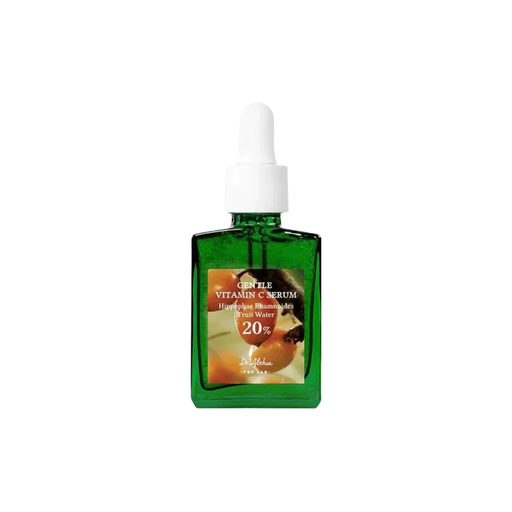
Why this product fits the profile: According to the product information, the formula relies on 3-O-Ethyl Ascorbic Acid, Niacinamide and 20% Sea Buckthorn Fruit Water, and is stated to be free from artificial colours and fragrances.
Instead of focusing on a high concentration of pure ascorbic acid, it combines a derivative with hydrating ingredients.
3-O-Ethyl Ascorbic Acid, Niacinamide, Allantoin and a stated absence of artificial fragrances.
We've put together a complete, regularly updated list of products that fully meet these strict selection criteria and the safety regulations in force in the EU.
A serum for radiant skin doesn't have to be applied daily in a high concentration. Consistency, the right texture and good skin tolerance are usually more relevant for your choice than the highest possible percentage.
That depends on the active ingredient form, concentration and your skin's tolerance. Beginners can start by using it every other day. If well tolerated, daily use according to the manufacturer's instructions is possible. The guidance on the packaging and product page takes priority.
The best-before date and the PAO symbol on the packaging are decisive. After opening, store the serum tightly sealed, dry and protected from direct light. If there is noticeable discolouration or a change in smell, further use is not recommended.
In many skincare routines, both products are used one after the other: first the thinner vitamin C product, then the hyaluronic acid serum and a moisturiser. If you have sensitive skin, introduce any new combination gradually.