
Lieferung heute & morgen

Qualitätsgarantie

Willkommens-Angebote freischalten: KOSTENLOSE Lieferung | Bis zu 80 % RABATT | Kostenlose 30-Tage-JoyPlus-Testphase
App herunterladen
A bulk pack of 1 kg of coffee beans may seem practical and good value at first glance. For households, offices and regular coffee drinkers, a larger pack can reduce the need for frequent reorders. However, not every blend suits every machine or taste. Key factors include the roast level, bean composition, packaging and your actual consumption.
A rating such as “intensity 5/10” or “dark roasted” primarily describes the flavour profile. It is not a reliable indication of caffeine content. Even a dark roast may contain less caffeine than a lighter blend with a higher proportion of Robusta. If you want to monitor your caffeine intake, check the product information and consider your own portion size.
Caffè crema beans are often intended for bean-to-cup machines, but once ground they can also be used for filter coffee, a French press or a portafilter machine. However, the result depends heavily on the grind size and the machine settings. Espresso beans, on the other hand, are often more heavily roasted and designed for short, concentrated extractions. Beans for a bean-to-cup machine should therefore be selected based on the roast profile and intended use, not just the name.
One kilogram of whole coffee beans provides approximately 100 to 140 cups, depending on the dose. If the pack is used slowly, storage and packaging become particularly important. Once opened, the bag should be sealed as tightly as possible and stored in a cool, dry, dark place. Direct sunlight, heat, moisture and strong odours should be avoided. A fridge or freezer is not generally necessary and may cause problems through condensation.
A mild to medium roast often works well for caffè crema, filter coffee and milk-based drinks. Darker roasts generally offer stronger, more pronounced roasted and chocolatey notes. They can be suitable for espresso and cappuccino, provided the machine is adjusted accordingly.
Also look for specific descriptions such as nutty, chocolate, fruity or citrus notes. These details can help you narrow down your options, but they cannot replace your individual taste preferences.
Arabica Robusta coffee beans often combine different characteristics: Arabica is frequently described as having fruitier, more delicate notes, while Robusta can contribute greater body and a more pronounced crema. Pure Arabica is not automatically the best choice for every use. A blend containing Robusta may be a good option for milky coffees or a strong espresso, while those who prefer a smoother flavour may want to look for 100% Arabica.
For coffee for bean-to-cup machines, beans with an even roast profile and clearly defined dosing are practical. With a portafilter machine, grind size, brewing pressure and extraction time are also crucial. The beans should be ground shortly before preparation. Information such as “suitable for bean-to-cup machines” does not mean that the factory settings will be suitable for every machine without adjustment.
Those looking for Italian coffee beans will often find blends designed for espresso and milk-based drinks. When choosing organic coffee beans, look for an officially stated organic seal or the relevant certification on the packaging. “Sustainable” without any specific explanation is not a uniformly protected quality characteristic.
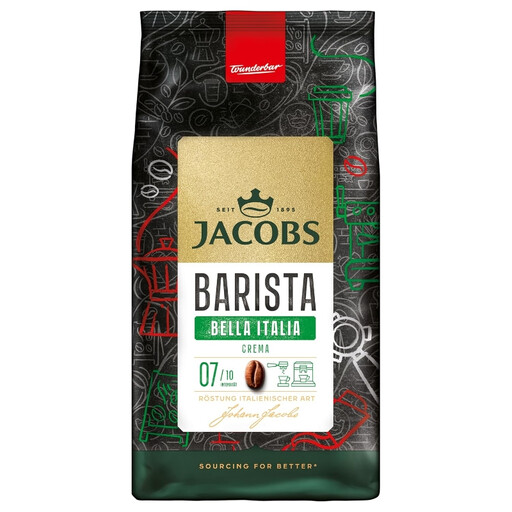
Why this product suits this profile: With a medium intensity of 5/10 and a balanced profile featuring citrus and nutty notes, it is suitable for a range of everyday preparation methods.
The stated intensity makes the choice easier to understand than a purely promotional description such as “strong” or “barista”. The product is specified as suitable for bean-to-cup machines, portafilter machines and French presses.
100% roasted coffee, 1,000 g contents and several stated preparation methods.
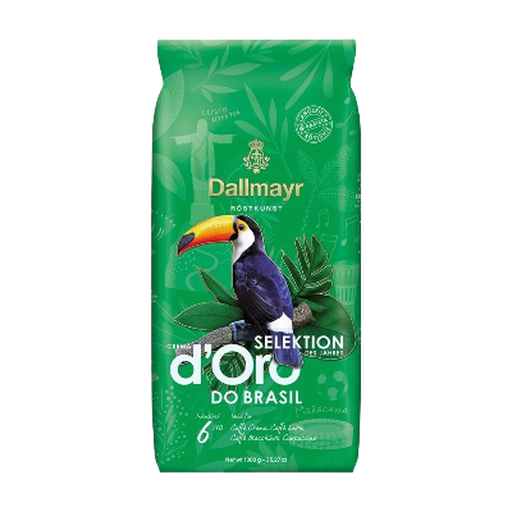
Why this product suits this profile: This Arabica selection from growing regions in Brazil is described as having nutty and slightly chocolatey notes with restrained acidity.
The origin and composition of the beans are clearly stated. This makes the choice easier to assess than products with vague information about where the beans come from.
100% Arabica and a 1,000 g pack size with clear storage instructions.
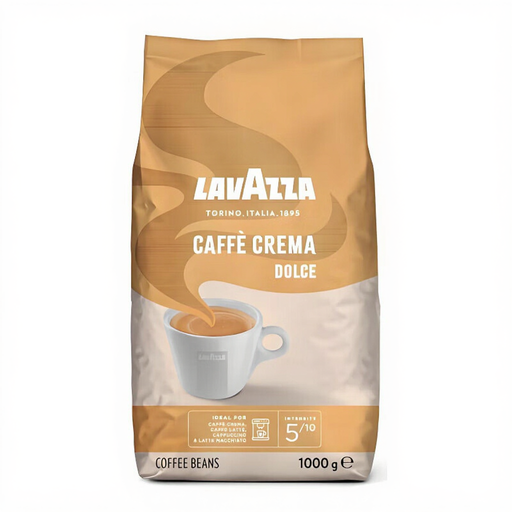
Why this product suits this profile: This Arabica and Robusta blend is intended for bean-to-cup machines and is described as a base for caffè crema and milk-based drinks.
The information specifies both the bean varieties and the suitable machine. This reduces the risk of choosing a roast intended exclusively for short espresso extractions.
1,000 g contents, medium roast and, according to the product description, notes of dried fruit and roasted grain.
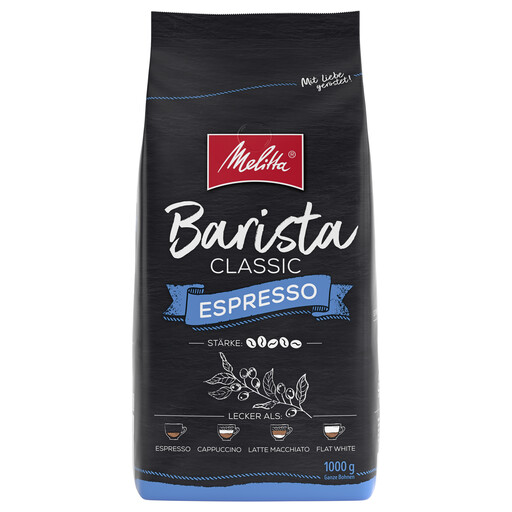
Why this product suits this profile: The product description places these beans in a more intense espresso category and lists espresso, cappuccino, latte macchiato and flat white as possible uses.
The explicitly stated dark roast makes the product easier to assess. This means the beans have not been selected solely because of the word “Barista”.
1,000 g contents, vacuum packaging according to the product information, and suitability for a bean-to-cup machine or ground coffee preparation.
With a dose of around 7 to 10 g per cup, one kilogram of coffee makes approximately 100 to 140 portions. A two-person household drinking several cups a day will use the supply considerably faster than an office where coffee is only prepared occasionally. Before buying, therefore, check the best-before date on the pack and, if necessary, divide the supply into smaller, airtight containers.
Once opened, the coffee should not be stored directly next to spices or other strongly scented foods. Whole beans also remain more versatile for longer, as the grind size can be adjusted to suit the preparation method.
We have put together a complete, regularly updated list of products that fully meet these strict selection criteria and the safety regulations applicable in the EU.
At 8 g per cup, one kilogram works out at approximately 125 portions. The actual yield depends on the amount ground, the drink size and the settings of the bean-to-cup machine.
Many caffè crema beans and blends specifically intended for bean-to-cup machines are suitable. Important factors include an appropriate grind size, moderate dosing and the ability to adjust the strength and amount of water on the machine. Very oily beans can affect cleaning and the grinding process, depending on the machine; always follow the manufacturer’s instructions.
Decaffeinated coffee beans are available, although not always in a 1 kg pack. The selection includes decaffeinated products from Lavazza and Dallmayr in 500 g packs, for example. Decaffeinated coffee may still contain small amounts of caffeine after processing. The information on the relevant packaging is authoritative.