
Lieferung heute & morgen

Qualitätsgarantie

Willkommens-Angebote freischalten: KOSTENLOSE Lieferung | Bis zu 80 % RABATT | Kostenlose 30-Tage-JoyPlus-Testphase
App herunterladen
Anyone who wants to prepare authentic Asian dishes knows that choosing the right rice is crucial. Yet, when trying to buy jasmine rice, many face an overwhelming selection. Packaging with enticing images and vague quality claims makes the decision difficult. This often leads to disappointment: the rice has little fragrance, is too sticky, or has a bland texture.
As your Joybuy Product Recommendation Officer, I'm here to help you navigate these pitfalls. Instead of falling for marketing hype, we'll focus on the facts. Here are the most common mistakes and how to avoid them to find the perfect fragrant rice for your kitchen.
Common Pitfalls When Buying Rice:
To make an informed decision, you should focus on three objective criteria. These will help you assess quality independently of advertising claims.
The origin is the most important quality indicator. The most renowned cultivation countries for high-quality jasmine rice are Thailand, Cambodia, and Vietnam.
The integrity of the rice grains significantly affects the cooking result.
Royal Thai Jasmine Long Grain Rice (20kg) will declare this transparently.Selecting the right package size depends on your consumption and storage capabilities.
Here are a few recommendations tailored to different needs and budgets. Each product has been selected based on the objective criteria mentioned above.
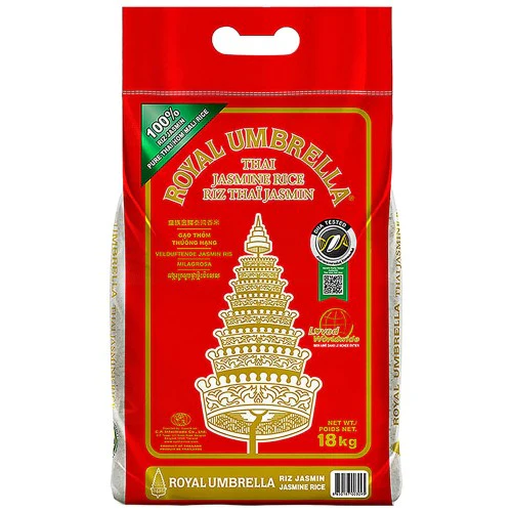
Why it's a match: For those seeking the authentic, internationally recognised standard for jasmine rice. Ideal for preparing dishes where the rice is the star, allowing its floral aroma to shine.
This product carries the protected "Thai Hom Mali" designation. This is a more reliable indicator than vague "AAA" claims and guarantees certified origin and quality.
Guaranteed purity and a distinct floral aroma that is considered the global benchmark for jasmine rice. Soft, consistent texture.
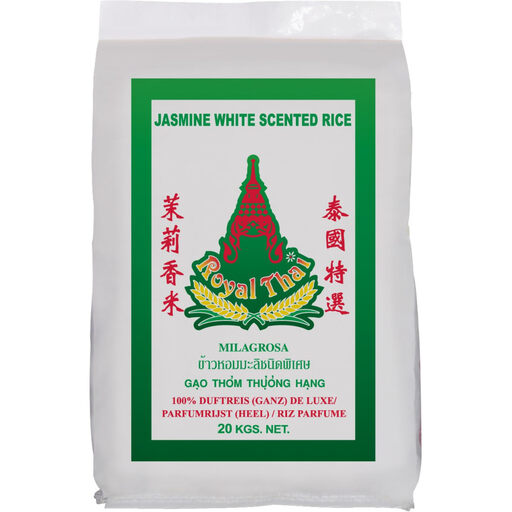
Why it's a match: An economical solution for large families and restaurants that value the authentic fragrance of jasmine rice but don't require perfect long grains for every dish. Ideal for fried rice, congee, or as a side dish.
The product is transparently declared as broken rice (fractured grains). It doesn't pretend to be a premium long-grain rice but honestly offers the taste and aroma of Thai Hom Mali at a more accessible price point.
Excellent value for money in a 20kg bulk bag. Retains the characteristic aroma and soft texture of jasmine rice.
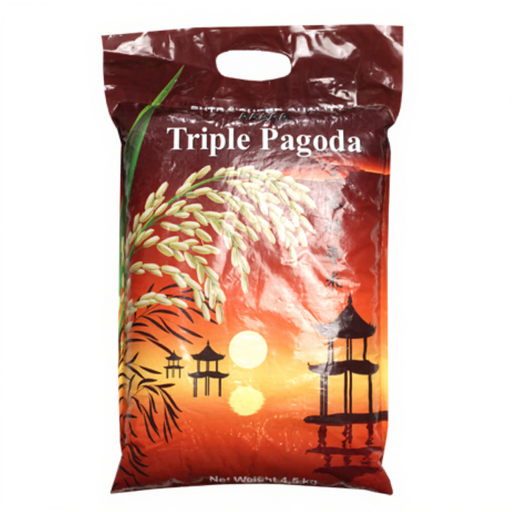
Why it's a match: Perfect for home cooks who want to look beyond the usual Thai options and try award-winning Cambodian jasmine rice. The 4.5 kg bag is ideal for testing.
Instead of relying on a vague "AAA" label, the quality here is backed by its renowned origin. Cambodian rice is known for its high quality, which provides a more reliable guide.
Allows you to experience the unique aroma of Cambodian jasmine rice. The convenient package size minimises risk when exploring new varieties.
We have compiled a complete, up-to-date list of products that meet these strict selection criteria.
To preserve the freshness and aroma of a bulk bag of rice, store it in a cool, dry, and dark place. After opening, it is advisable to transfer the rice into several smaller, airtight containers. This protects it from moisture, pests, and the loss of its characteristic fragrance.
Although both are aromatic long-grain rice varieties, there are clear differences. Jasmine rice originates from Southeast Asia (mainly Thailand), has a floral aroma reminiscent of pandan, and cooks to a soft, slightly sticky texture. Basmati rice comes from the Indian subcontinent, has a nutty fragrance, and its grains remain longer, firmer, and more separate after cooking.
Yes, it is recommended. Rinsing the rice briefly once or twice in cold water removes excess starch from the grain surface. This leads to a fluffier, less sticky final result and allows the individual grains to stand out better.