
Same-day & Next-day Delivery

Quality Guaranteed

Unlock Your Welcome Offers: FREE Delivery | Up to 80% OFF | Free 30-day JoyPlus trial
Download the APP
The technology behind smart glasses is evolving at a rapid pace. What once seemed like science fiction is now a practical reality for a variety of applications. AI glasses can simplify daily life with hands-free operation, real-time information, and seamless connectivity. However, the market is diverse, offering numerous options from simple audio glasses to complex AR glasses with visual overlays.
This guide is designed to provide clarity. We will introduce different types of AI glasses, explain their key features, and provide you with objective criteria to find a model that meets your specific needs—whether for international business travel, athletic activities, or a tech-enhanced daily life.
Choosing the right smart glasses largely depends on your personal use case. Before making a decision, you should consider the following three aspects.
Your primary purpose will determine the technology you need.
A pair of smart glasses is only as good as its technical hardware and its seamless integration into your digital life.
When using data glasses, especially glasses with a camera, data protection and privacy are key concerns. Find out how and where captured data (e.g., audio recordings for translations or meeting notes) is stored. Look for manufacturers who are transparent about their data privacy policies (e.g., GDPR compliance). When recording conversations or videos in public spaces, the privacy rights of third parties must be respected.
Based on the criteria mentioned, we have compiled a selection of models for different use cases.
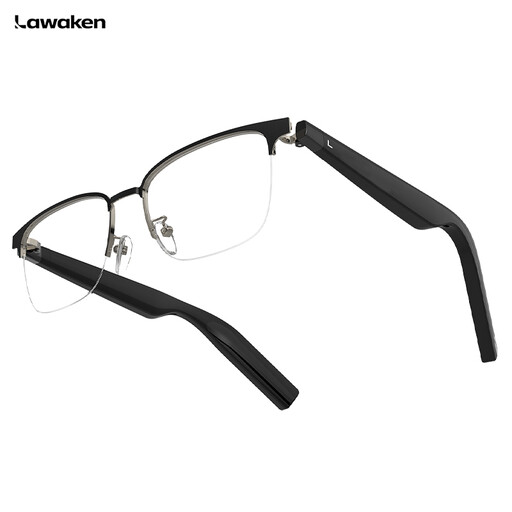
Key Feature: These AI glasses are designed for maximum productivity in business and travel. The combination of real-time translation for 128 languages, the AI Note feature for summarising meetings, and integration with AI agents (ChatGPT, Gemini, Claude) makes them a powerful tool for professionals working internationally. The lightweight titanium frame ensures superior comfort.
Advantages:
Who is it for? Ideal for business professionals, consultants, and frequent travellers looking for a discreet, hands-free solution for communication, translation, and note-taking.
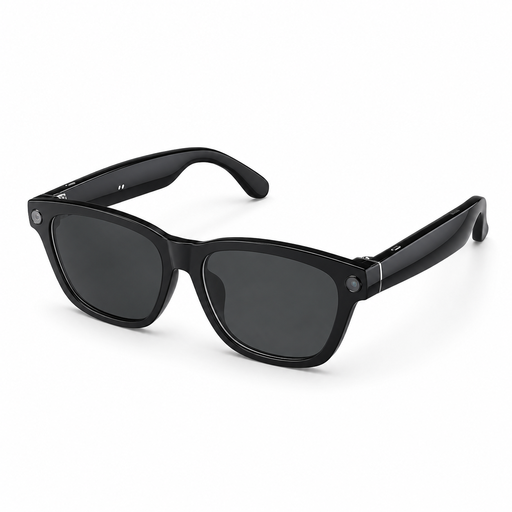
Key Feature: The Verbex glasses are positioned as a versatile all-rounder for a tech-savvy lifestyle. They combine glasses with a camera for photos and videos with a comprehensive translator function for 145 languages and direct access to ChatGPT. Control is managed via touch gestures or voice commands.
Advantages:
Who is it for? For tech enthusiasts and early adopters seeking multifunctional smart glasses that combine a camera, translator, and AI assistant in a single device.
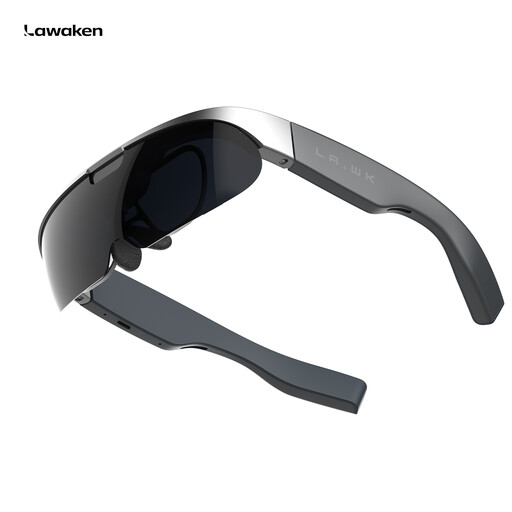
Key Feature: These AR glasses are specifically designed for cyclists and outdoor athletes. The AR display (HUD) projects navigation instructions and performance data, such as speed or distance, directly into your field of view, allowing you to keep your eyes on the road. The integrated 4K wide-angle camera enables you to record your rides from a first-person perspective.
Advantages:
Who is it for? Perfect for ambitious cyclists and outdoor enthusiasts who want specialised sports glasses with navigation and a recording function to track their performance and capture their experiences.
The selection presented here covers specific use cases. However, the market for smart glasses offers an even greater variety of designs and features. If you'd like to explore more options to find the perfect model for your needs, it's worth taking a look at our broader collection.
Discover more options and find the ideal smart glasses for your needs in our try on glasses before you buy category.
The term AI glasses is an umbrella term for glasses with intelligent, AI-powered features. This could be audio glasses with a voice assistant and translator, or glasses with a camera and object recognition. AR glasses (Augmented Reality) are a specific type of AI glasses that visually overlay digital information onto the user's field of view, such as navigation arrows or notifications.
Yes, many models are designed as Bluetooth glasses compatible with prescription lenses. Products like the LAWAKEN AI Chat City allow you to have the included lenses replaced with your custom prescription lenses by a qualified optician. Check the manufacturer's specifications for compatibility before purchasing.
Glasses with real-time translation use built-in microphones to capture spoken words. The audio data is typically sent via a Bluetooth connection to an app on a paired smartphone. There, a cloud-based AI processes the language and sends the translation back to the glasses, where it is played to the wearer through integrated open-ear speakers. This process usually takes just a few seconds.