
Lieferung heute & morgen

Qualitätsgarantie

Willkommens-Angebote freischalten: KOSTENLOSE Lieferung | Bis zu 80 % RABATT | Kostenlose 30-Tage-JoyPlus-Testphase
App herunterladen
Fine lines, dry skin or an uneven complexion may lead you to add an anti-ageing night serum to your evening routine. However, choosing the right product can be challenging: similar marketing claims appear on products with very different active ingredients, concentrations and usage instructions.
Retinol and retinal are well-known vitamin A derivatives. However, a higher percentage does not automatically mean that a product is better suited to your skin. Beginners may notice dryness, redness or a feeling of tightness if they use a product too often. Encapsulation, release technology, supporting ingredients and gradual introduction are therefore also important.
A facial night serum may be described as suitable for all skin types and still contain fragrance, alcohol or potentially irritating active ingredients. If you have sensitive skin, it is worth checking the full INCI list. Fragrances such as Parfum or declarable fragrance allergens deserve particular attention.
A serum for fine lines can moisturise the skin, making it appear smoother. Claims about reducing wrinkles, firming the skin or creating a more even complexion depend on your individual skin condition, consistent use and daily UV protection. Cosmetic products are not a substitute for dermatological treatment.
For oily or blemish-prone skin, lightweight, non-comedogenic textures may feel more comfortable. According to the product information, the ISDIN ACNIBEN Night Concentrate Serum contains retinal, niacinamide and Zinc PCA, among other ingredients, and is indicated for oily, acne-prone skin. The formula also contains Parfum and Alcohol Denat. – sensitive skin should take this into account when choosing a product.
For dry skin, glycerin, squalane, ceramides or Sodium Hyaluronate are interesting ingredients. A night serum for sensitive skin should ideally have a straightforward formulation and should first be tested on a small area of skin.
Vitamin A products generally belong in your evening routine. Apply a small amount to dry skin after cleansing, then follow with a moisturiser. New users should start with two applications per week and only increase the frequency if their skin tolerates the product well.
Retinol and retinal can increase the skin’s sensitivity to light. A broad-spectrum sunscreen is therefore advisable in the morning. AHA, BHA or highly concentrated vitamin C products should not be combined in the same evening routine without careful consideration. If persistent redness, burning or severe flaking occurs, stop using the product and seek dermatological advice if necessary.
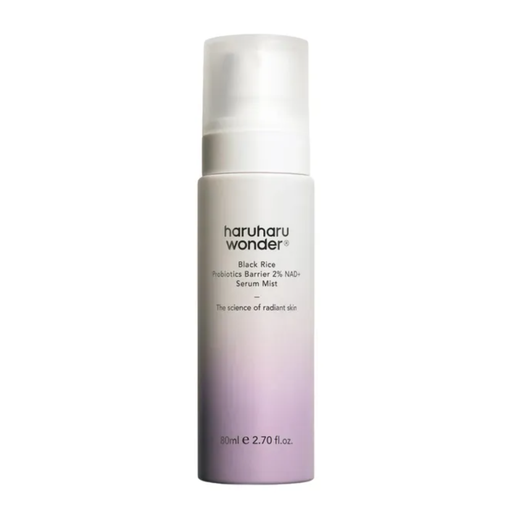
Why this product suits this profile: The product information states that it contains 0.08% microencapsulated retinol, 1% bakuchiol and ceramides. The recommended gradual introduction may be practical for those new to retinol.
The stated concentration and instructions for gradually increasing use make application easier to plan than with a retinol product whose ingredients are not clearly declared.
Microencapsulated retinol, ceramides and a fragrance-free formulation according to the product description.
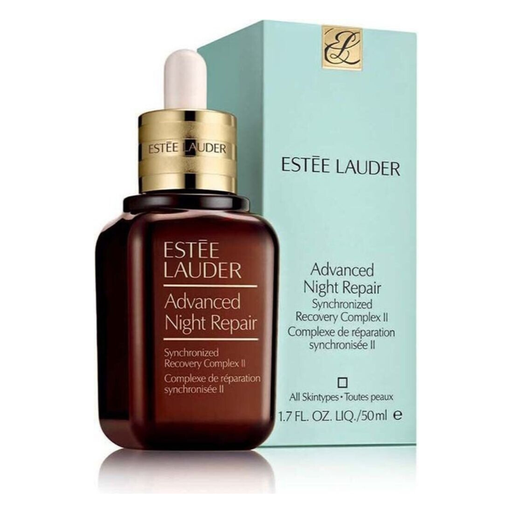
Why this product suits this profile: According to the INCI list, the silicone-based, oil-free serum texture contains glycerin, Sodium Hyaluronate, squalane and peptides, among other ingredients, and is indicated for all skin types.
The INCI list allows you to assess the moisturising and conditioning ingredients specifically, rather than relying solely on general repair claims.
50ml contents, an oil-free texture and several moisture-binding ingredients according to the product description.
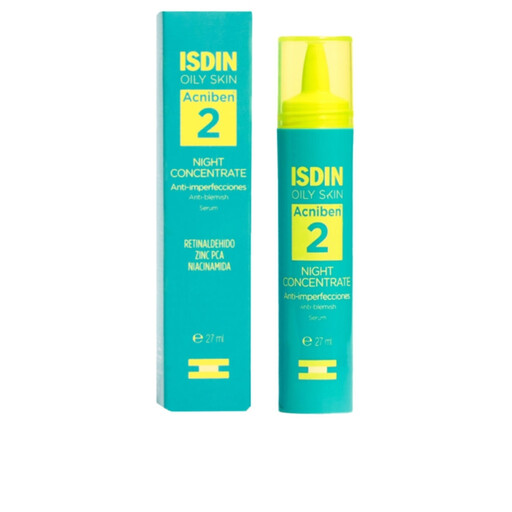
Why this product suits this profile: According to the product information, the formulation is intended for oily and blemish-prone skin and combines retinal with niacinamide and Zinc PCA.
The target audience of oily skin is stated more clearly. This makes it easier to align your choice with your skin type and skincare goals.
27ml contents, plus retinal, niacinamide and Zinc PCA according to the stated product information.
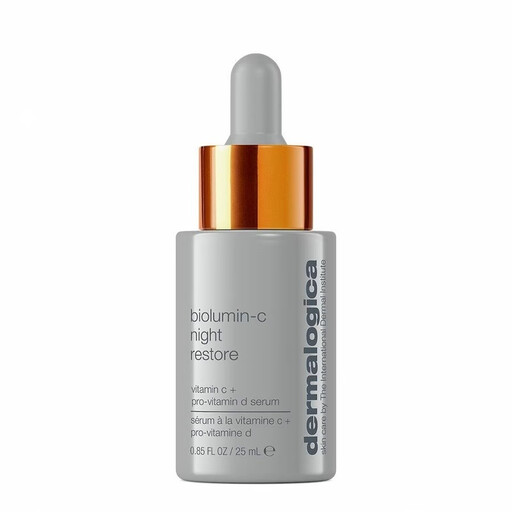
Why this product suits this profile: For users who do not want to use retinol, the product description lists stabilised vitamin C, a pro-vitamin D complex and a fragrance-free, non-comedogenic formulation.
The absence of retinol and the “fragrance-free” specification make choosing easier if you wish to avoid vitamin A derivatives or fragrance.
Vitamin C derivatives, squalane and a vegan, paraben-free formulation according to the product information.
We have put together a complete, regularly updated list of products that fully meet these strict selection criteria and the safety regulations applicable in the EU.
During pregnancy, when trying to conceive or while breastfeeding, products containing vitamin A derivatives should not be used without prior medical advice. The instructions on the packaging and product page are authoritative; ingredients may change.
Beginners often start with two applications per week. If your skin tolerates the product well, you can gradually increase how often you use it. If redness, burning or severe flaking occurs, take a break.
The best-before date and the PAO symbol on the packaging are decisive. Light- and air-sensitive active ingredients should be stored in a cool, dry place and kept tightly closed, in accordance with the manufacturer’s instructions.
The price depends on factors including the quantity, brand, active ingredient system and packaging. So do not compare only the bottle price; also consider the price per millilitre, frequency of use, suitability for your skin type and declared ingredients.