
Lieferung heute & morgen

Qualitätsgarantie

Willkommens-Angebote freischalten: KOSTENLOSE Lieferung | Bis zu 80 % RABATT | Kostenlose 30-Tage-JoyPlus-Testphase
App herunterladen
By Joybuy Product Recommendation Officer, August 30, 2026
In a multi-cat household, feeding time can quickly become a challenge. One cat steals another's food, special diets aren't followed, or one cat simply eats too much. An automatic feeder for multiple cats promises a solution, but the market is vast, and not every device delivers on its promise. As your Product Recommendation Officer, I'll help you identify the common pitfalls and make an informed decision that meets your pets' needs.
Many well-intentioned purchases end in frustration because crucial details were overlooked. Pay close attention to these three points to avoid making the wrong choice:
To ensure you permanently solve the problem of food competition, you should evaluate three key technical parameters. These determine the device's functionality and reliability in daily use.
The most important feature for being able to feed cats separately is individual recognition. There are two common technologies for this:
The quality of food storage is crucial for your pets' health. Check the following points:
An app-controlled feeder offers much more than just remote operation. A high-quality application should provide the following features:
Based on the criteria mentioned, we have curated products that address specific needs in a multi-cat household.
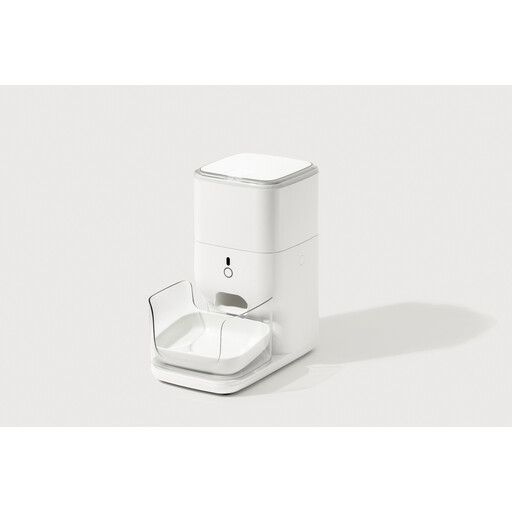
Why This Fits Their Persona: This model is designed for owners seeking a precise, data-driven solution for managing the diets of multiple cats. It solves the core problem of food theft and uncontrolled intake through a combination of RFID recognition and detailed app control.
The reliable RFID system ensures only the authorized cat gains access (solves Trap 1). The app saves feeding schedules locally on the device (offline mode), ensuring feeding continues even during a Wi-Fi outage (solves Trap 3).
Individual feeding per cat via RFID collar tag; health monitoring by logging eating habits in the app; 4-litre sealed hopper keeps food fresh.
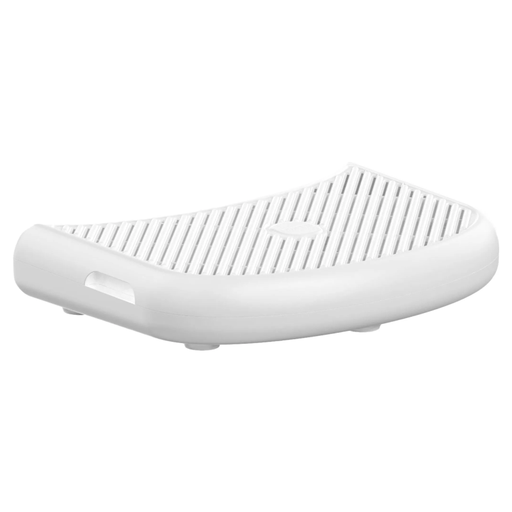
Why This Fits Their Persona: This mat is the ideal companion for any feeding station. Although designed for litter boxes, its structure is equally effective at trapping fallen kibble, ensuring a clean and hygienic environment around the automatic feeder.
It addresses the often-overlooked problem of mess that arises with automatic feeders. A clean feeding area is essential for hygiene and prevents issues that can stem from a lack of cleanliness (Trap 2).
The grid structure reliably traps food crumbs; the material is durable and easy to clean; creates a defined and tidy feeding area.
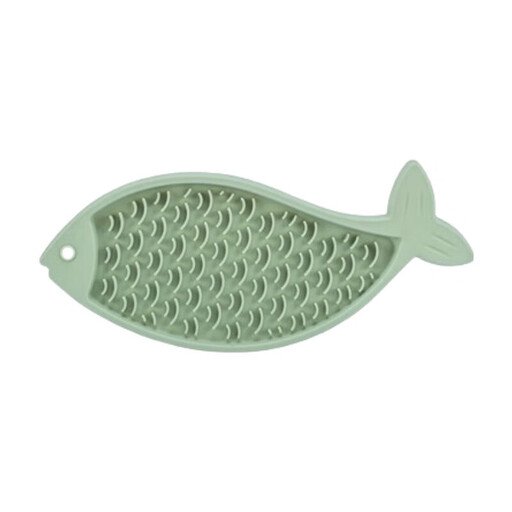
Why This Fits Their Persona: This lick mat is the perfect complement to a dry food feeder. It allows for the controlled serving of wet food, pastes, or medications while promoting slower eating, which aids digestion and mentally stimulates the cat.
It provides a solution for serving non-dry food, which most automatic feeders cannot handle. This prevents the gobbling of treats and combats boredom by turning feeding into an enriching activity.
Promotes slow eating and prevents boredom; made of food-grade silicone and is dishwasher-safe; versatile for wet food, pastes, or frozen treats.
A clean and appealing feeding area contributes to your cats' well-being. Discover accessories that complement your feeding routine.
The recognition of implanted microchips is generally very reliable, provided your cat's chip conforms to a common ISO standard and is properly registered. In rare cases, the position of the chip can affect the reading speed. An RFID feeder with a collar tag is an equally reliable alternative if your cat is not chipped or if compatibility issues arise.
A high-quality feeder features an offline mode. This means the programmed feeding schedule is stored directly on the device. If the Wi-Fi goes down, the feeder will continue to dispense meals on time and in the correct portions. Once the connection is restored, the feeding logs will sync with the app.
Most feeders with large hoppers, like the Catlink feeder, are designed exclusively for dry food. This is due to hygiene and shelf-life concerns. For serving wet food, there are specialized, usually smaller, feeders with cooling functions or rotating trays. Alternatively, as shown above, you can use lick mats to offer wet food or pastes in a controlled manner to supplement the automated dry food dispensing.