
Lieferung heute & morgen

Qualitätsgarantie

Willkommens-Angebote freischalten: KOSTENLOSE Lieferung | Bis zu 80 % RABATT | Kostenlose 30-Tage-JoyPlus-Testphase
App herunterladen
In a multi-cat household, feeding time can quickly become a challenge. One cat might need a special diet, another is prone to obesity, and a third loves to steal everyone else's food. An automatic feeder for multiple cats promises a solution, but not every model delivers on its promise. Many units have design flaws that make them impractical or even unhygienic.
This guide reveals the most common pitfalls and explains which technical features are essential for effectively preventing food jealousy and theft, ensuring the health of each individual pet.
The market is flooded with automatic feeders, but many models are unsuitable for the complex demands of a multi-cat household. Watch out for these three common problems to avoid a bad investment:
To ensure your automatic feeder restores peace in your household and meets the individual needs of each cat, you should check three core technical parameters.
The most important feature to prevent food theft among cats is selective access to the food. The most common and reliable method for this is RFID (Radio-Frequency Identification) technology. Each cat wears a lightweight tag on its collar, which is recognised by the feeder, granting access to the bowl only for that specific pet. An RFID cat feeder is a precise solution to ensure each cat eats only its own designated food. Before buying, check if the RFID tags are included and how they attach to the collar.
A smart feeder with app control offers much more than just automated food dispensing. Using a smartphone app, you can set and adjust feeding times and portion sizes for each individual cat with gram-level precision. Models with integrated health monitoring log feeding behaviour—how often, when, and how much each cat eats. Deviations from the norm can be early signs of health problems, allowing you to react in a timely manner. This feeder with portion control and data analysis is especially valuable for pets with chronic illnesses or special dietary requirements.
A large food container reduces how often you need to refill it. However, how the food is kept fresh is more important. Look for an airtight lid to preserve the aroma and protect the food from moisture. High-quality models also use desiccant bags to slow down oxidation. A self-sealing food outlet also prevents insects from getting into the container or the food in the bowl from being exposed to air for extended periods.
Based on the criteria mentioned, we have identified products that offer specific solutions for different needs in a modern pet household.
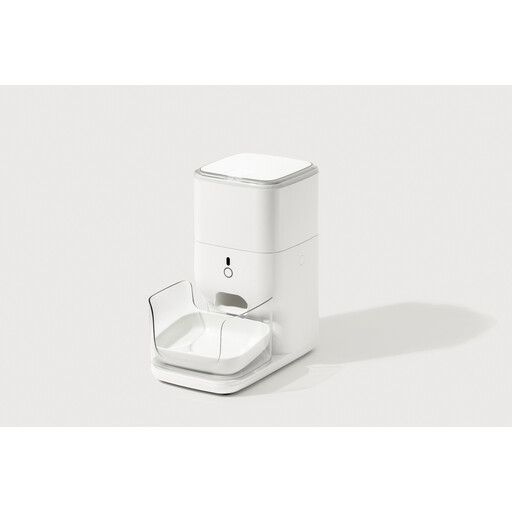
Why This Fits Their Persona: Ideal for owners who need precise, individual feeding for each cat and want to actively monitor their health data. Solves the core problem in households with food aggression or different dietary needs.
The system uses a reliable RFID collar tag system for exclusive identification, thus avoiding the pitfall of non-individual access. Each cat can only access its own food.
Combines selective access with detailed feeding data analysis via an app. The 4-litre container with a seal and desiccant keeps food fresh for longer. An offline mode ensures feeding continues even if the Wi-Fi goes down.
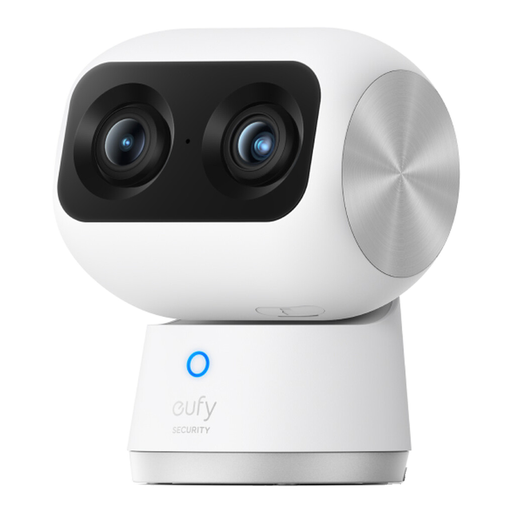
Why This Fits Their Persona: The perfect companion to an automatic feeder. It allows you to visually monitor the feeding station to ensure the automation is working as intended and to observe your pets' behaviour.
It provides visual verification, helping to bypass the "unreliable recognition" trap. You can check in real-time whether each cat is accessing its food without issue and see if any conflicts arise at the feeding station.
The dual lens with 4K resolution and 8x zoom delivers extremely detailed images. The 360° pan-and-tilt function and AI-powered pet detection allow for complete monitoring of the entire area.
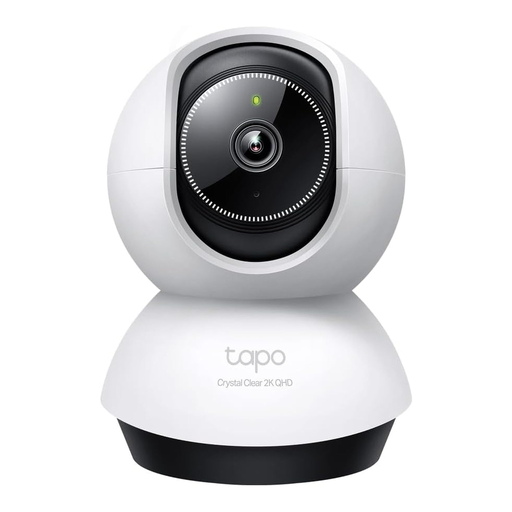
Why This Fits Their Persona: A cost-effective solution for pet owners who want to take their first step into smart pet monitoring to observe behaviour at the feeding station without immediately investing in a full ecosystem.
Offers an affordable way to get visual verification. Even if a simpler feeder is used, this camera can help identify problems like food theft or malfunctions.
With 2K resolution and a 360° pan range, it provides comprehensive coverage. Smart AI detection sends notifications for relevant events, and the two-way audio feature allows you to communicate with your pets.
We have curated a complete, up-to-date list of products that fully meet these stringent selection criteria and safety standards.
Most commercial automatic feeders that offer individual recognition use their own system with RFID tags attached to the collar. This ensures high compatibility and reliability, regardless of the type of microchip implanted by a vet. Always check the manufacturer's product specifications to be sure which recognition system is used.
High-quality models are prepared for such events. Many devices, like the Catlink FRESH 2, have an offline mode. The feeding schedule is stored locally on the device and will run even without an internet connection. For power outages, some feeders have a compartment for backup batteries (batteries often sold separately), ensuring your pets' feeding is secure even then.
The transition requires some patience. Start by placing the new feeder next to the old food bowls without activating it. Let your cats eat from the new, open bowl. In the next step, activate the mechanism but stay nearby to reassure your pets. Reward brave behaviour with treats to create a positive association with the feeder's sound and movement.