
Lieferung heute & morgen

Qualitätsgarantie

Willkommens-Angebote freischalten: KOSTENLOSE Lieferung | Bis zu 80 % RABATT | Kostenlose 30-Tage-JoyPlus-Testphase
App herunterladen
The variety of Asian chili sauces can be overwhelming. Shelves are filled with bottles and jars, all promising authentic flavour and the perfect level of heat. Yet, unclear labels and marketing hype often lead to disappointment in the kitchen. A bad purchase doesn't just mean wasted money, but also a dish that doesn't taste the way it should.
As a Joybuy Product Recommendation Officer, I see the most common pitfalls every day. Before you order a hot sauce online, you should be aware of these points:
To make the right choice, it helps to understand two core parameters that determine the success of your dish.
The form of the chili sauce dictates its primary use in the kitchen. There are three main types:
The country of origin often provides the most crucial clue to the expected aroma:
Here are a few recommendations tailored to specific needs and cooking styles.
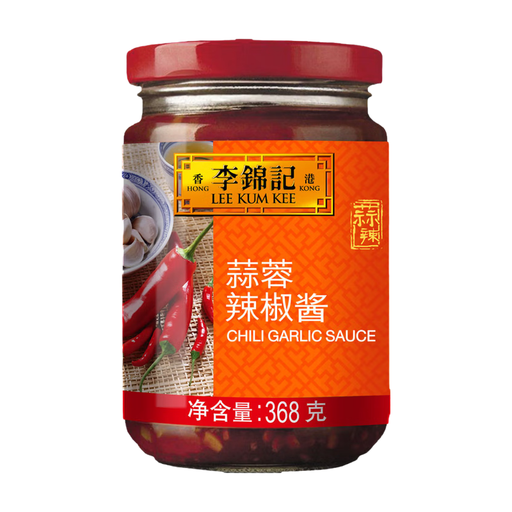
Why This Fits Their Persona: Ideal for anyone looking for a straightforward yet flavourful sauce for daily use. It's excellent for dipping, stir-fries, or seasoning noodles without overpowering a dish.
This is a straightforward chili garlic sauce that doesn't pretend to be a highly specific regional specialty. It bypasses the "false authenticity" trap with a clear, balanced flavour profile.
Versatility: Ready to use as a dip, marinade, or condiment. Balanced Flavour: A harmonious blend of heat (59% salted chili peppers) and garlic aroma (5%).
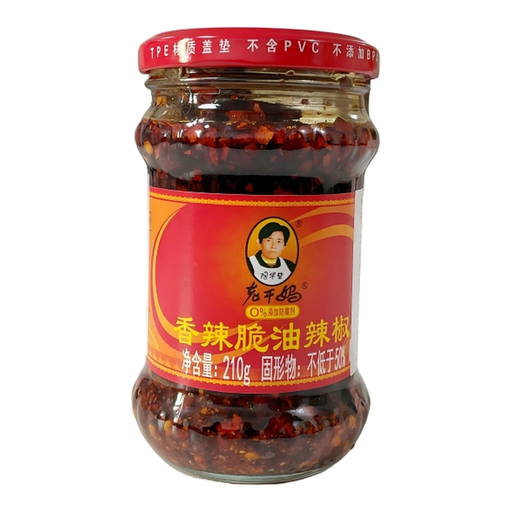
Why This Fits Their Persona: Perfect for foodies who want to add an extra dimension to their meals. This chili oil elevates simple dishes like rice, noodles, or eggs with a crunchy texture and deep umami flavour.
Lao Gan Ma focuses not just on heat, but on a complex interplay of texture (crispy chilies, peanuts) and aroma. It avoids the "one-note heat" trap by offering a multi-layered sensory experience.
Unique Texture: Crispy chili flakes (20%), peanuts (8%), and soybeans (6%) in an aromatic oil. Versatile Topping: Ready to use for finishing countless dishes.
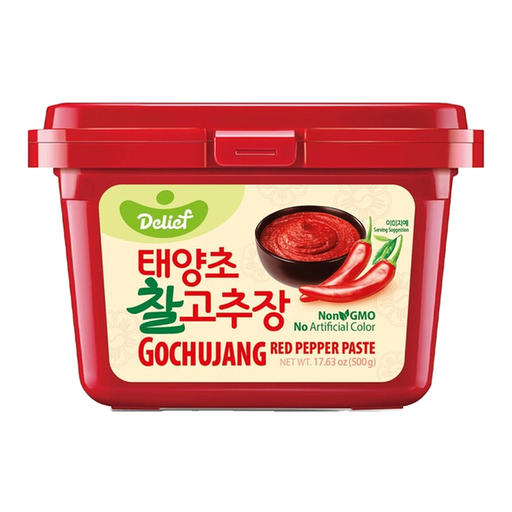
Why This Fits Their Persona: Essential for anyone wanting to prepare authentic Korean dishes like bibimbap, tteokbokki, or spicy stews. This paste provides the necessary flavour foundation that can't be replicated with any other sauce.
This isn't an all-purpose chili sauce, but a specific flavouring paste. It solves the "wrong sauce for the wrong dish" problem, as it's designed precisely for preparing traditional Korean meals.
Complex Flavour Profile: A fermented paste with a balance of sweet, savoury, and spicy. HALAL Certification: Meets specific dietary requirements.
We have compiled a complete, up-to-date list of products that fully meet these strict selection criteria.
Most Asian chili sauces, especially fermented pastes like gochujang or oil-based products like chili crisp, should be stored in the refrigerator after opening. This slows down the oxidation process and preserves flavour and colour. Be sure to always use a clean spoon to avoid contamination. Always follow the storage instructions on the packaging.
The main difference lies in their composition and use. Gochujang is a thick, fermented Korean paste made from glutinous rice, fermented soybeans, and chili powder. It has a deep, complex, sweet-and-spicy umami flavour and is mostly used as a cooking ingredient. Sriracha is a thinner, unfermented sauce made from chili peppers, vinegar, garlic, and sugar. It has a more direct, hot-and-sour taste and is typically used as a finishing sauce or dip.
Yes, Lao Gan Ma and similar chili crisp products are designed as a ready-to-use condiment. You can take it straight from the jar and add it to finished dishes like noodles, rice, pizza, or eggs. It's recommended to stir the product well before use, as the oil and solid ingredients can separate.