
当日/次日达

品质保障

开启新人专享福利: 全场免邮 | 低至 2 折 | 免费试用 30 天 JoyPlus 会员
下载 Joybuy
As a Joybuy Product Recommendation Officer, I see every day just how vast the selection of Asian foods has become. When it comes to chili oil in particular, many people find themselves standing in front of a huge shelf, wondering: Which one is right for my noodles, dumplings, or just for a finishing touch? This variety is both a blessing and a curse, as not every jar delivers what its packaging promises.
Many people grab the wrong product because they fall for common marketing traps. The result is often a bland disappointment or an oil that is unsuitable for its intended purpose. This guide will help you avoid the typical pitfalls and make an informed decision.
The 2 Most Common Mistakes When Buying Chili Oil:
To find the right product, you should check three fundamental parameters. These will help you objectively evaluate the quality and intended use of a chili oil.
Texture is crucial for mouthfeel and application. There are two main types:
A look at the ingredient list and nutrition facts reveals a lot about the quality. Pay attention to the following points:
Heat is just one of many flavour components. A high-quality chili oil offers more:
Instead of making a one-size-fits-all recommendation, we have selected products for different user profiles.
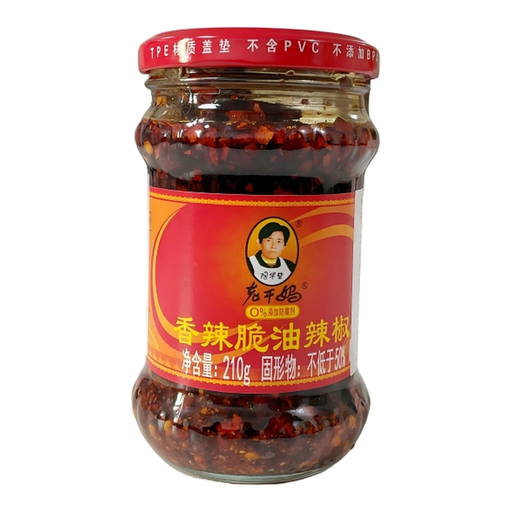
Why it's a great fit: This is the iconic all-rounder and the perfect entry point into the world of chili crisp. Its balanced blend of heat, umami, and crunchy texture makes it incredibly versatile—ideal for anyone looking for a reliable, everyday condiment.
It's far more than just spicy. The included fermented soybeans and peanuts provide a deep, savoury complexity and a satisfying crunch that one-dimensional oils can't offer.
A high proportion of solid ingredients (chilies 20%, peanuts 8%, soybeans 6%) ensures an excellent price-to-texture ratio.
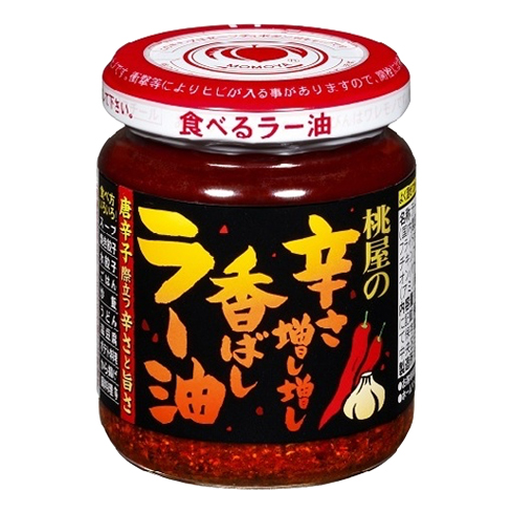
Why it's a great fit: For lovers of authentic Sichuan cuisine who are specifically seeking the characteristic, numbing-spicy *málà* flavour. This oil is specially designed to add the finishing touch to dishes like Mapo Tofu or Dan Dan Noodles.
It avoids the trap of misleading "Sichuan-style" labelling by explicitly containing Sichuan pepper. The name "MA-LA" is a genuine promise here, not an empty marketing claim.
Combines the heat of chili (10%) with the numbing aroma of Sichuan pepper and roasted garlic for a complex, authentic flavour profile.
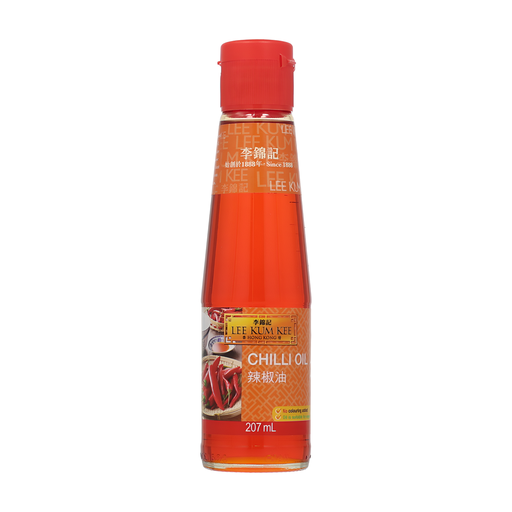
Why it's a great fit: Perfect for cooks who prefer a pure, clear, and aromatic seasoning oil without any solid ingredients. It's designed to give dishes a vibrant red colour and a mild but present chili note without overpowering the texture.
This product is a pure seasoning oil and doesn't try to be a chili crisp. It focuses on the quality of the infused oil, delivering a clear, aromatic result instead of a mixture with lots of fillers.
Made by Lee Kum Kee, a brand with over 130 years of history that stands for consistent quality. The ingredient list is short and stripped down to the essentials: rapeseed oil, chili, spices, salt.
If you're looking for other varieties or want to compare a wider selection of authentic Asian seasoning oils, we've put together a comprehensive collection for you.
In its basic form, chili oil is an oil infused with chilies, which is usually clear and free of solid particles. It is used for cooking and seasoning. Chili crisp is an evolution of this, containing not only oil but also a variety of crunchy ingredients like roasted chili flakes, soybeans, peanuts, or garlic. It therefore serves not only as a condiment but also as a texture-rich topping.
Unopened chili oil should be stored in a cool, dark place to protect its flavours. After opening, storing it in the refrigerator is recommended. This slows down the oxidation process and preserves freshness, especially for products containing nuts or other solid ingredients. Since the solid particles can settle at the bottom, it's a good idea to stir the oil well before each use.
Some traditional Asian chili oils, particularly many varieties from brands like Lao Gan Ma or Lee Kum Kee, contain monosodium glutamate (MSG) to enhance the savoury umami flavour. This is an integral part of many authentic recipes. However, there are also numerous products available that do not use flavour enhancers. A close look at the ingredient list on the label will provide clarity.