
Lieferung heute & morgen

Qualitätsgarantie

Willkommens-Angebote freischalten: KOSTENLOSE Lieferung | Bis zu 80 % RABATT | Kostenlose 30-Tage-JoyPlus-Testphase
App herunterladen
Anyone looking to buy Asian food online will find a wide selection of rice, tofu, snacks, drinks and cooking ingredients. However, product names alone reveal little about whether a pack is suitable for your household, dietary preferences or recipe. Unclear allergen information, incorrect quantity calculations and unsuitable storage are particularly common causes of disappointing purchases.
This shopping guide helps you compare Thai food, Vietnamese food, Indian snacks and other Asian ingredients objectively.
A product can be gluten-free while still containing other allergens. Tofu, for example, often contains soya, while snacks may contain nuts, milk or traces of wheat. Oats should not automatically be considered gluten-free either: the listed products from Jeden Tag and Kölln specify gluten from oats.
The following are therefore particularly important:
A large bulk pack may seem economical at first glance, but it is not practical for every household. An 18 kg sack of rice is more suitable for families, people who regularly cook rice-based dishes or catering businesses than for occasional use. Once products have been opened, moisture, loss of flavour or pest infestation can affect their shelf life.
For a single-person household, smaller quantities such as 400 g of rice flour or 300 g of tofu are often easier to plan around. If you cook Asian food regularly, however, stocking up on staple foods can be worthwhile.
Depending on the product, tapioca pearls, mung beans and rice flour may require specific preparation. Large tapioca pearls, for example, need to be boiled and then left to stand. Storage is also important: dry ingredients should be transferred to an airtight container after opening, while opened tofu should be used promptly.
For vegan or vegetarian products, the ingredients list is key. J-BASKET Satonoyuki Shiki Tofu Firm 300 g contains soya beans and magnesium chloride. It is therefore plant-based, but not soya-free. MORI NU Tofu Silken Firm Tetra 305 g also contains soya, as well as calcium chloride and glucono-delta-lactone.
If you are looking for gluten-free food, make sure the product is clearly labelled. According to the product information, Sunlee Rice Flour 400 g is made from 100% white rice and is described as gluten-free. Sunlee Buddha Tapioca Pearl Large (White) 400 g is also made from tapioca starch and is listed without the main allergens specified above. Even so, always check the packaging before eating the product.
The amount you need depends on how you plan to use the product:
Do not compare only the price per pack. Also check the price per kilogram or litre, as well as the amount you are realistically likely to use.
Nutritional information helps you assess a product objectively, but it is not a substitute for personalised dietary advice. FOCO Coconut Juice 520 ml contains 35 kcal and 8 g of carbohydrates per 100 ml, according to the nutritional information. The drink contains 80% coconut juice, coconut flesh, water, sugar and citric acid. Once opened, it should be refrigerated and consumed within 24 hours.
Dry goods should generally be stored in a cool, dry place away from direct light. After opening, an airtight container is recommended. For products with a short usable life or specific temperature requirements, always follow the instructions on the packaging.
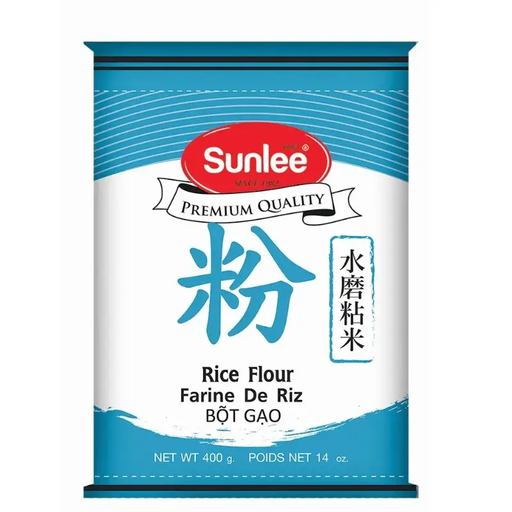
Why this product suits the profile: The 400 g pack offers an easy way to start making Asian recipes such as rice cakes, doughs, rice noodles or sauces.
The moderate pack size reduces the risk of the flour remaining open for too long. The ingredients list names white rice as the only ingredient.
Fine texture, neutral flavour and described as gluten-free in the product information. Store in an airtight container after opening.

Why this product suits the profile: Ideal for shoppers who want to compare a drink’s origin, recipe and nutritional information before placing an order.
The product information clearly specifies the fruit content, ingredients, energy content, allergens, country of origin and storage instructions.
Contains 80% coconut juice and coconut flesh; 520 ml contents and refrigerated storage after opening.
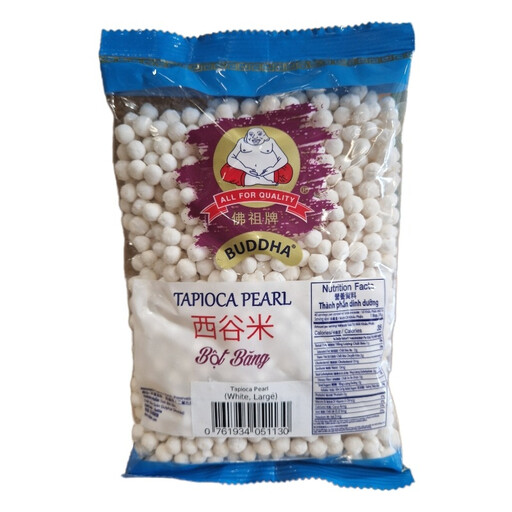
Why this product suits the profile: Suitable for fans of bubble tea variations, South-East Asian desserts and recipes with a pleasantly chewy tapioca texture.
The cooking instructions specify 20 to 30 minutes of cooking time followed by a further 20 minutes of resting time. This makes it easier to plan the preparation in advance.
400 g of tapioca starch, described as gluten-free and featuring large white pearls for desserts or drinks.
We have put together a complete, regularly updated list of products that fully meet these strict selection criteria and the safety regulations applicable in the EU.
For a Thai or Vietnamese kitchen, several staple ingredients can be combined:
When buying snacks online, flavour preferences should not replace checking the allergen and sugar information. Coconut products, rice, rice flour and long-life tofu varieties can also be useful additions to a mixed stock of supplies.
Look for shops that provide complete product information covering ingredients, allergens, net quantity, origin, nutritional values and storage. This makes it easier to compare products with your own needs before buying.
Rice, rice flour, tapioca starch and many coconut products are naturally gluten-free. However, you should still check the labelling and any trace warnings. “Gluten-free” should never be inferred solely from the name of an ingredient.
That depends on the product. Dry ingredients generally remain usable for longer when stored in a cool, dry place in an airtight container. Opened tofu should be refrigerated and used as soon as possible. Drinks such as coconut juice may have considerably shorter time limits. Always follow the information provided on the relevant packaging.