
Lieferung heute & morgen

Qualitätsgarantie

Willkommens-Angebote freischalten: KOSTENLOSE Lieferung | Bis zu 80 % RABATT | Kostenlose 30-Tage-JoyPlus-Testphase
App herunterladen
The market for non-alcoholic beverages is steadily growing, offering an ever-increasing variety for health-conscious individuals, expectant parents, designated drivers, or anyone who simply wants to mindfully avoid alcohol. But as the selection expands, so does the confusion. Not every bottle labelled "alcohol-free" delivers on its promise. This guide will help you navigate the most common pitfalls and make an informed decision.
Before you make a choice, you should be aware of the common challenges that often lead to disappointing taste experiences or unexpected ingredients.
To make a great choice that meets your expectations for taste and quality, you should examine three core aspects.
The method used to remove the alcohol has a significant impact on the final product. Vacuum distillation is a common process where alcohol is evaporated at low temperatures, which is gentler on the aromas than traditional distillation. Even more advanced methods like reverse osmosis filter out alcohol at a molecular level, often resulting in a more authentic flavour profile. A look at the manufacturer's product description can provide insight here.
A critical look at the label is essential. Pay attention to the total sugar content per 100 ml. Values above 6-7g can already indicate a very sweet product. Look for terms like "sugar," "fructose syrup," or "rectified concentrated grape must" near the top of the ingredient list. A high-quality non-alcoholic wine or non-alcoholic sparkling wine is based on dealcoholised wine, not primarily on juice or sugar water.
Make a conscious choice between "alcohol-free" (<0.5% ABV) and "0.0% alcohol." For everyday enjoyment, the small amount of residual alcohol may be insignificant, but for special occasions like a baby shower or for those practicing strict abstinence, the 0.0% version is the safer choice. This applies to all categories, from non-alcoholic beer and non-alcoholic radlers to more complex non-alcoholic aperitifs.
Here is a selection of products tailored to different needs and flavour profiles that meet the criteria mentioned above.
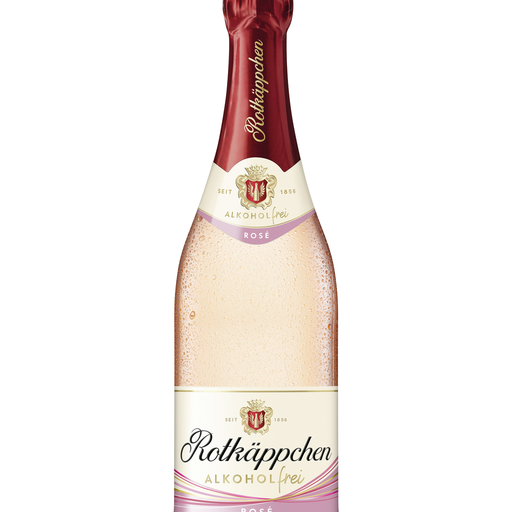
Why This Fits Their Persona: Ideal for hosts looking for a well-known and accessible brand for celebrations like birthdays or baby showers. The fruity character of the rosé has broad appeal and is perfect for a toast.
Based on gently dealcoholised wine, which preserves the typical body of the wine and avoids a flat taste (Pitfall 3). The sugar content is moderate and serves to round out the fruity profile.
Intensely fruity taste with notes of raspberry and strawberry. Fine, long-lasting effervescence for an authentic sparkling wine experience.
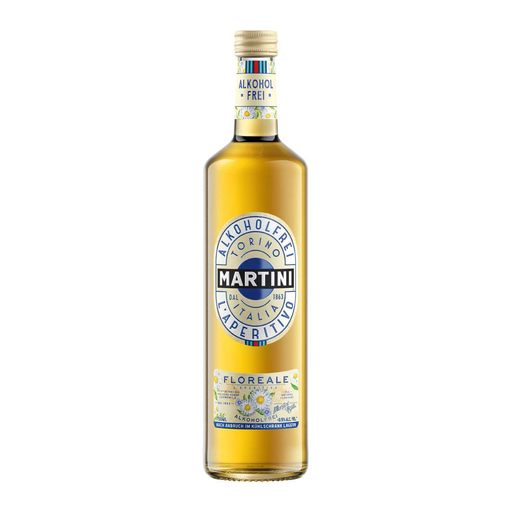
Why This Fits Their Persona: For connoisseurs seeking a complex, adult flavour profile that goes beyond mere sweetness. Perfect as a base for non-alcoholic cocktails or served neat on ice as a stylish pre-dinner drink.
Avoids the sugar trap (Pitfall 2) with a balanced blend of sweetness, acidity, and bitter notes from botanical extracts. The dealcoholised wine base provides a solid structure.
Complex, floral flavour profile with notes of Roman chamomile and bergamot. Versatile as an aperitif.
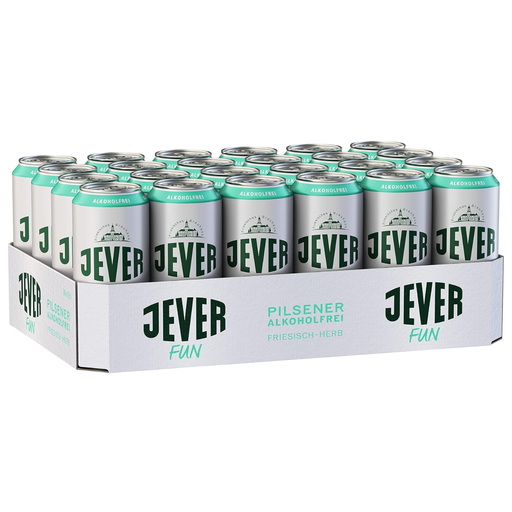
Why This Fits Their Persona: For anyone who appreciates the crisp, hop-forward flavour of a true pilsner but wants to skip the alcohol and unnecessary calories. An excellent choice after sports or as a refreshing everyday drink.
Completely sidesteps the sugar trap (Pitfall 2) with its dry character and very low sugar content (<0.5 g/100 ml). It doesn't imitate; it offers a distinct, hop-forward beer experience in its own right.
Distinctly crisp, Frisian pilsner taste. Very low in calories (15 kcal/100 ml) and low in sugar.
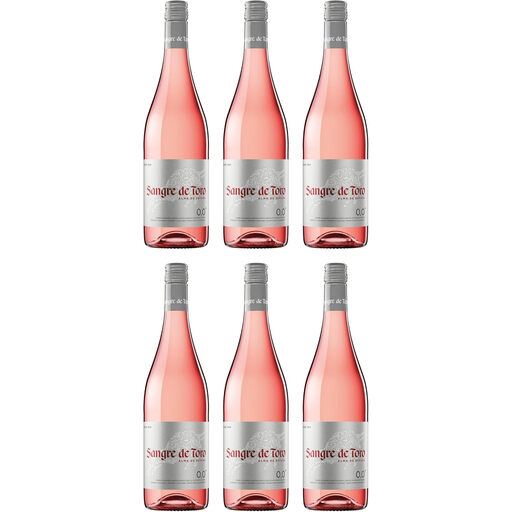
Why This Fits Their Persona: Perfect for anyone who needs a strict 0.0% alcohol guarantee without sacrificing the character of a wine. A safe and flavourful choice for pregnant women, athletes, or for health reasons.
Directly addresses the residual alcohol trap (Pitfall 1) with a clear 0.0% declaration. Its dry style and moderate sugar content (3.5 g/100 ml) prevent excessive sweetness.
Guaranteed 0.0% alcohol. Offers a light, fruity flavour profile with notes of red berries and a pleasant acidity.
We have compiled a complete, up-to-date list of products that fully meet these strict selection criteria and local regulations.
1. What exactly is “dealcoholised wine”? Dealcoholised wine is wine from which the alcohol has been removed after fermentation is complete. This is done through processes like vacuum distillation or reverse osmosis. Unlike grape juice, it has undergone fermentation, which gives it a more complex aroma structure that is partially retained even after the alcohol is removed.
2. Do “alcohol-free” drinks really contain no alcohol at all? Not necessarily. Depending on local laws, beverages labelled "alcohol-free" can contain up to 0.5% alcohol by volume (ABV). This amount is comparable to that found in ripe bananas or some fruit juices. Anyone who wants to avoid alcohol completely should specifically look for products with the "0.0% alcohol" label.
3. How can I find a non-alcoholic alternative that isn’t too sweet? Check the sugar content on the nutrition label. Values below 5g per 100ml generally indicate a drier product. Specifically look for dry non-alcoholic alternatives like crisp pilsners (e.g., Jever Fun), dry rosé or white wines, or bitter aperitifs (e.g., Martini Floreale) that derive their complexity from botanicals rather than just sugar.