
Lieferung heute & morgen

Qualitätsgarantie

Willkommens-Angebote freischalten: KOSTENLOSE Lieferung | Bis zu 80 % RABATT | Kostenlose 30-Tage-JoyPlus-Testphase
App herunterladen
As an owner of a bean-to-cup coffee machine, you appreciate the convenience: fresh coffee, espresso, or cappuccino at the touch of a button. But the machine is only half the battle. Choosing the right coffee beans for bean-to-cup machines is crucial for the flavour experience and the longevity of your appliance. However, the market is overwhelming and full of marketing promises. This guide will help you avoid common purchasing pitfalls and make an informed decision.
The selection of whole beans is vast, and not every bag delivers on its promise. Before you invest, you should be aware of these three widespread misconceptions:
To find the right beans for your taste and your machine, you should consider two core parameters.
The roast level significantly determines the aroma and suitability for different coffee preparations.
Most coffee blends consist of Arabica and Robusta beans, each bringing different characteristics.
A blend of both varieties can combine the best of both worlds: the aromatic qualities of the Arabica bean and the rich crema of the Robusta bean. Many products from Lavazza coffee beans use this principle for a balanced taste. Organic coffee beans are also available in a wide variety of blend ratios.
Instead of making a one-size-fits-all recommendation, we have curated products for different user profiles.
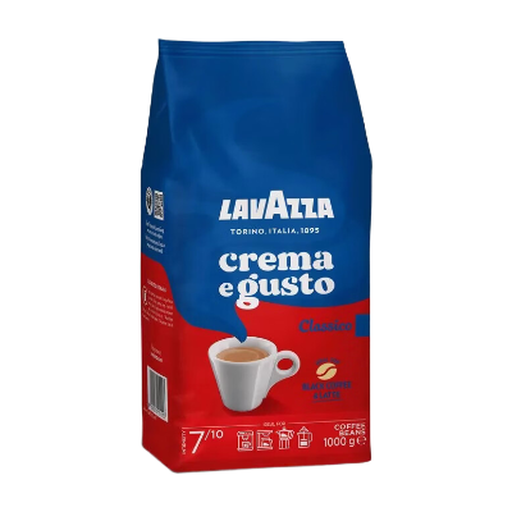
Why it's a great fit: Ideal for daily coffee consumption where excellent value for money and a reliably robust flavour are priorities. The blend of Arabica and Robusta delivers an intense aroma with notes of cocoa and nuts.
Instead of a vague "gourmet" promise, this blend offers a clear flavour profile. The medium roast is well-suited for most bean-to-cup machines and avoids the problem of oily beans.
Offers a full-bodied, creamy taste reminiscent of classic Italian coffee at a very accessible price for a 1kg bag of coffee beans.
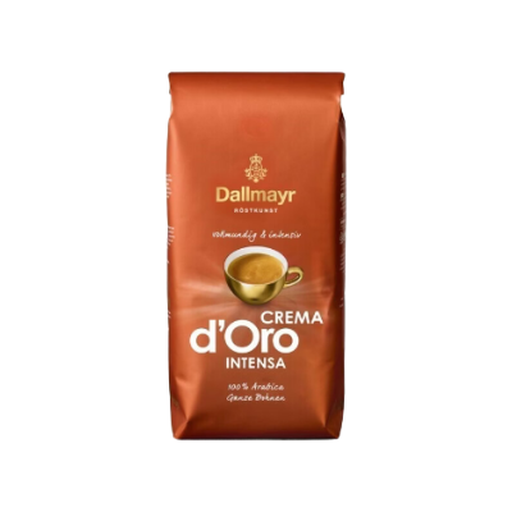
Why it's a great fit: Perfect for those seeking a balanced yet characterful Caffè Crema or a base for a latte macchiato. These beans are known for their fine crema and harmonious aroma.
This product doesn't rely on the "100% Arabica" myth but on a carefully balanced blend of highland beans roasted for a specific flavour profile: intense but not bitter.
Delivers consistently high quality with an especially fine, velvety crema, typical of the Dallmayr Crema d'Oro line, here with a more intense note.
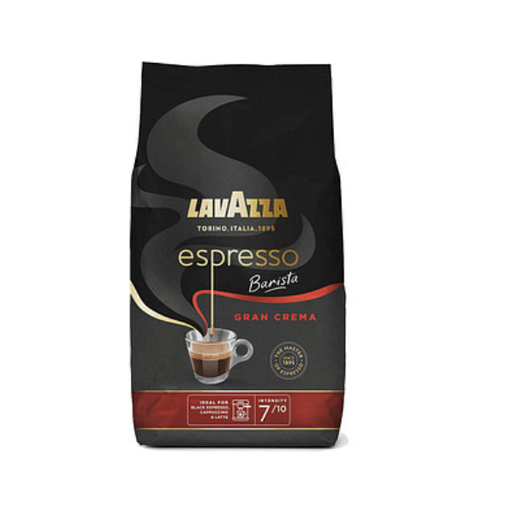
Why it's a great fit: Developed for coffee drinkers who want an authentic Italian espresso experience at home. This blend is designed for a full body and the intense flavour of an original espresso.
The name "Barista" is not an empty promise here but refers to a special roast and blend optimised for preparation in espresso and bean-to-cup machines to ensure a stable crema.
The special blend of Arabica and Robusta beans provides a rich, aromatic experience and an exceptionally long-lasting crema, which is characteristic of a high-quality espresso.
We have compiled a complete, up-to-date list of products that meet these strict selection criteria and quality standards.
1. Can espresso beans be used in a bean-to-cup machine? Yes, absolutely. Espresso beans are typically roasted darker than Caffè Crema beans, resulting in a more intense, less acidic flavour. They are excellent for making espresso, but also for a strong coffee or as a base for milk-based drinks. Just make sure the beans are not too oily to protect the grinder.
2. How do I properly store a 1kg bag of coffee beans? To preserve freshness, you should reseal the 1kg bag of coffee beans tightly after opening. It's best to fill a week's supply into your machine's bean container and store the rest of the beans in the original bag (with the aroma valve) in a cool, dry, and dark place. The refrigerator is not recommended due to moisture and foreign odours.
3. Are oily coffee beans harmful to my bean-to-cup machine? In the long run, yes. Very oily beans, which result from very dark roasts, can leave an oily film in the grinder and the machine's internal pipes. This film can bind coffee grounds, leading to clumping and blockages, and can impair the grinder's performance. Medium roasts with a dry surface are the safer choice for most bean-to-cup machines.