
Lieferung heute & morgen

Qualitätsgarantie

Willkommens-Angebote freischalten: KOSTENLOSE Lieferung | Bis zu 80 % RABATT | Kostenlose 30-Tage-JoyPlus-Testphase
App herunterladen
Anyone looking to create authentic Southeast Asian dishes will inevitably need one key ingredient: fish sauce. This Asian seasoning sauce is the heart of many recipes, delivering that signature umami depth. But when it comes to buying fish sauce, many home cooks find themselves facing a daunting shelf. Varying origins, unclear labels, and lofty quality claims can make the choice difficult. This guide will help you avoid the most common pitfalls and find the perfect sauce for your kitchen.
Before you make a decision, it's important to understand two common issues that often lead to a disappointing culinary experience.
To make an informed choice, focus on these two objective parameters that you can check directly on the label.
Although the terms are often used interchangeably, there are subtle differences relevant to connoisseurs.
The quality of a fish sauce is best judged by its ingredient list. A high-quality fish sauce consists of just a few, clear components. Look for:
Here are some recommendations tailored to different culinary profiles and applications.
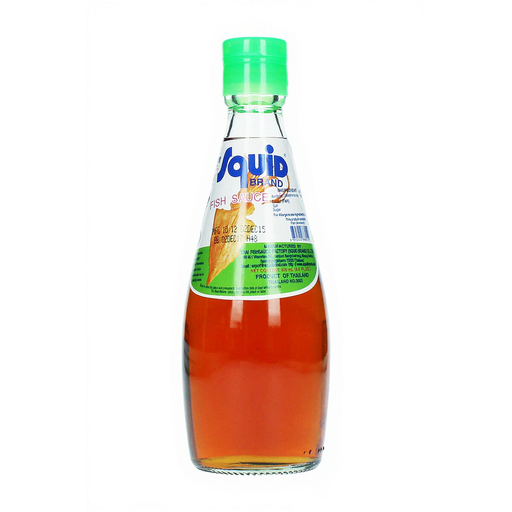
Why This Fits Their Persona: A versatile all-rounder suitable for a wide range of dishes, from stir-fries to marinades. Its balanced seasoning doesn't overwhelm the palate, making it ideal for getting acquainted with the flavour profile.
The ingredient list is short and clear: anchovy extract (77%), water, salt, and sugar. This avoids the confusion of unnecessary additives and guarantees an authentic taste.
The high content of anchovy extract (77%) provides a rich, authentic umami flavour. The 300ml bottle is a practical size for home use.
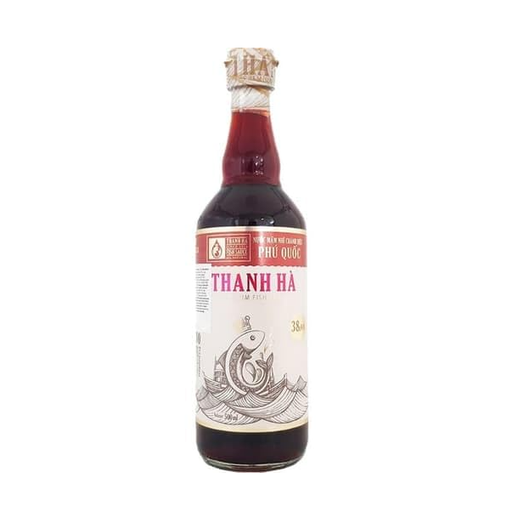
Why This Fits Their Persona: Ideal for cooks seeking the intense and deep flavour of traditional Vietnamese fish sauce. Perfect for preparing pho broths or the classic dipping sauce Nuoc Cham, where the sauce plays a starring role.
The "38N" label provides a clear indication of the high protein content and concentration. This goes beyond vague marketing promises and delivers a concrete, measurable metric for intensity.
Delivers an intense, deep fish flavour that serves as an essential umami base for countless dishes. The 500ml bottle is practical for regular home use.
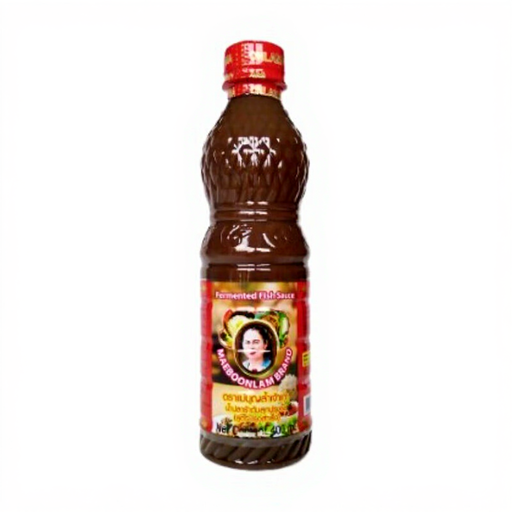
Why This Fits Their Persona: For cooks who want to go beyond the basics and authentically recreate specific regional dishes like Thai papaya salad (Som Tum). This fermented sauce (Nam Pla Ra) offers a unique, pungent flavour profile.
The clear labelling as a fermented fish sauce for specific dishes like papaya salad prevents it from being accidentally used like a standard fish sauce, which could lead to an undesirably intense result.
Offers a pungent, complex umami profile that is essential for certain traditional recipes. The product is pasteurised for food safety without compromising its authentic taste.
Umami-rich ingredients are diverse. We've compiled a list of products that can add a special depth of flavour to your dishes.
1. How long does fish sauce last after opening? Once opened, fish sauce should be stored tightly sealed in a cool, dry place, ideally in the refrigerator. It will maintain its quality for at least a year. Over time, the colour may darken and the flavour may intensify, which is a normal process.
2. What is the exact difference between Thai and Vietnamese fish sauce? Generally, Thai fish sauce (Nam Pla) is often a bit saltier and more robust in flavour. Vietnamese fish sauce (Nuoc Mam) is frequently described as being milder and more complex in its nuances. The choice ultimately depends on personal preference and the specific recipe.
3. Can I use fish sauce in any stir-fry dish? Yes, fish sauce is an excellent seasoning for almost any fish sauce for stir-fries. It adds a salty and savoury depth that harmonises well with other ingredients like soy sauce, oyster sauce, and garlic. Start with a small amount and taste as you go, as the intensity varies by brand.