
Lieferung heute & morgen

Qualitätsgarantie

Willkommens-Angebote freischalten: KOSTENLOSE Lieferung | Bis zu 80 % RABATT | Kostenlose 30-Tage-JoyPlus-Testphase
App herunterladen
Anyone looking to buy authentic Asian sausage in Germany often faces a challenge. While regular supermarkets offer an abundance of bratwurst and cold cuts, specialities like Chinese sausage (Lap Cheong) or Vietnamese sausage (Giò) are hard to find. The search often leads to crowded Asian markets or online shops with overwhelming selections.
This guide will help you avoid the common pitfalls and make the right choice for your dishes—whether it's for a traditional clay pot rice, a Banh Mi, or a cosy hot pot evening.
Common Mistakes When Buying Asian Sausage Specialities:
To ensure you get a suitable, high-quality product, you should check three core features.
Not all Asian sausages are the same. The type significantly determines the flavour and its use in the kitchen.
A look at the ingredients list reveals a lot about authenticity and quality.
The condition of the sausage determines its storage and preparation.
Here are some selected products tailored to specific needs and culinary projects.
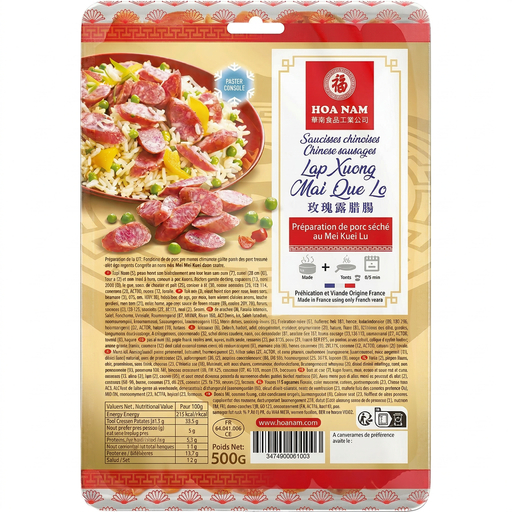
Why This Fits Their Persona: Ideal for anyone seeking the authentic taste of Lap Cheong for traditional dishes like clay pot rice or fried rice with vegetables. Its characteristic sweet and savoury flavour is unmistakable.
This product is not a vague "Asian-inspired" sausage. The ingredients list, including rose wine and soy sauce, clearly points to traditional Cantonese production (Lap Cheong).
Air-dried and shelf-stable; imparts a deep, aromatic flavour to rice and vegetable dishes.
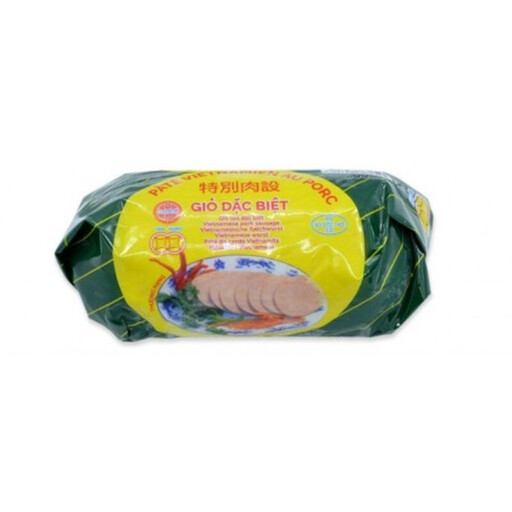
Why This Fits Their Persona: Perfect for preparing authentic Banh Mi or as an addition to noodle soups like Pho. The mild yet distinctive seasoning and firm texture are exactly what you expect from Giò sausage.
The clear labelling as "Vietnamese Pork Sausage (Gio)" and the inclusion of fish sauce ensure it's the right product for Vietnamese recipes, not a generic boiled sausage.
Pre-cooked and versatile (cold or warm); high pork content of 85%.
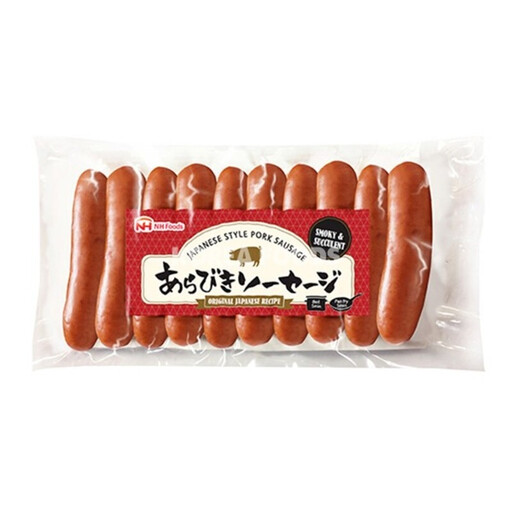
Why This Fits Their Persona: For anyone who loves the signature "snap" and smoky flavour of Japanese sausages. Ideal for the grill, the pan, as an addition to a hot pot, or as a protein-rich snack in a bento box.
The "Arabiki" designation clearly refers to the Japanese style with a coarser meat texture and a snappy casing. This is not an ordinary boiled sausage, but a specific speciality.
Quick to prepare (approx. 5 minutes); the natural casing (sheep) provides the characteristic bite.
We have compiled a complete, up-to-date list of products that fully meet these strict selection criteria and German food regulations.
1. How do I store Asian sausage correctly? Storage depends on the type of sausage. Air-dried sausages like Lap Cheong can be kept in a cool, dry place or in the refrigerator. Once opened, they should be stored in the fridge and consumed within a few weeks. Boiled or fresh sausages like Giò or Arabiki always belong in the refrigerator and should be eaten within a few days of opening. Many products can also be frozen to extend their shelf life. Always follow the instructions on the packaging.
2. How can I identify authentic Chinese sausage (Lap Cheong)? Authentic Lap Cheong has a firm, dry texture and a deep red to dark brown colour. A look at the ingredients list is crucial: high-quality pork and fat, sugar, soy sauce, and often a splash of rose wine or another alcoholic beverage are typical components. The sausage should release a sweet, savoury aroma when steamed.
3. Can you eat Asian sausage raw? No, most types of Asian sausage should not be eaten raw. Air-dried sausages (Lap Cheong) and raw sausages for grilling must always be fully cooked before consumption (e.g., by steaming, frying, or grilling). Only pre-cooked varieties like Vietnamese Giò sausage can be eaten cold straight from the package, though they often taste better heated. When in doubt, always check the preparation instructions on the packaging.