
Lieferung heute & morgen

Qualitätsgarantie

Willkommens-Angebote freischalten: KOSTENLOSE Lieferung | Bis zu 80 % RABATT | Kostenlose 30-Tage-JoyPlus-Testphase
App herunterladen
As a Joybuy Product Recommendation Officer, I often see home cooks and Asian cuisine enthusiasts face a common challenge: finding the right specialty sausage for their dish. The market offers a growing variety, but choosing without specific knowledge can lead to disappointing purchases. This guide is designed to help you avoid the typical pitfalls and make an informed decision that leads to authentic flavour experiences.
Many products advertise authenticity, but disappointment often lies beneath the surface. Pay attention to these three points to avoid falling into a trap:
To find the right sausage, focus on three objective criteria. These will help you see through marketing promises and assess a product's quality.
The preparation method is a key determinant of texture and use. The main types are:
The ingredients reveal everything about the expected flavour. Look for specific components:
Not every sausage is suitable for every dish. Before buying, consider how you plan to use it:
Here are some recommendations tailored to specific needs and preferences.
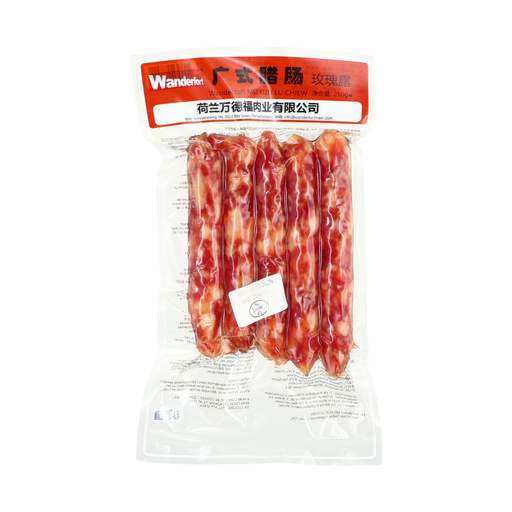
Why This Fits Their Persona: Ideal for anyone seeking the classic, sweet-and-savoury flavour of Cantonese sausage. It's perfect for beginners as it isn't spicy and works wonderfully in dishes like clay pot rice or fried rice with vegetables.
The "Guangdong Style" product name and the ingredient list, which includes rose liqueur sorghum wine (2.5%), clearly define the flavour profile. The high meat content of 86% ensures a firm texture, preventing disappointment from excessive fat or fillers.
Authentic seasoning with osmanthus wine for a rich aroma; high meat content for a full-bodied, firm texture.
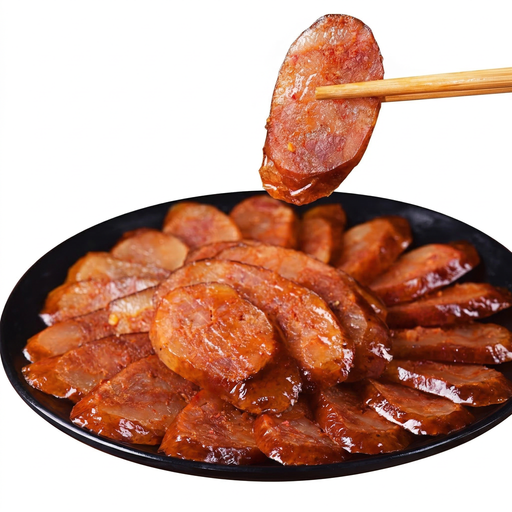
Why This Fits Their Persona: For experienced cooks specifically seeking the numbing spiciness ('mala') of Sichuan cuisine. This sausage is a flavour-packed ingredient for spicy stir-fries, hot pot, or as a side for simple rice dishes.
The "Sichuan Ultimate Spicy" designation is unmistakable. The ingredient list confirms the presence of chilli and spices that create the authentic 'mala' profile, thus avoiding the disappointment of a sausage that is too mild or vaguely 'savoury'.
A combination of heat (chilli) and numbing spice (Sichuan peppercorns); pre-cooked for simple and fast preparation.
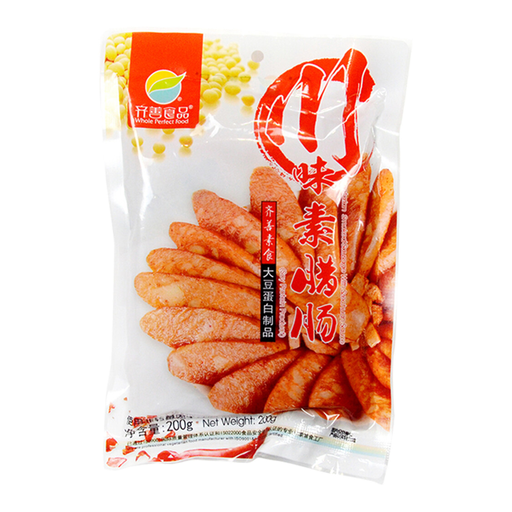
Why This Fits Their Persona: An excellent option for vegans and vegetarians who don't want to miss out on the spicy flavour of a Sichuan sausage. It can be used cold as a snack, in stir-fries, or in hot pot, offering a versatile, plant-based protein source.
The "Vegetarian" label and the ingredient list based on isolated soy protein provide clarity. Seasoning with chilli and Sichuan peppercorns ensures the flavour isn't bland but instead mimics the expected spicy profile of a Sichuan sausage.
Purely vegan and versatile (ready-to-eat); authentic spicy flavour thanks to chilli and Sichuan peppercorns.
We've compiled a complete, up-to-date list of products that fully meet these strict selection criteria.
Storage depends on the type of sausage. Air-dried sausages like Lap Cheong are shelf-stable and should be kept in a cool, dry place. Once opened, they belong in an airtight container in the refrigerator and should be consumed within a few weeks. Ready-to-eat sausages should also be refrigerated after opening and eaten promptly. Always follow the instructions on the packaging.
Yes, Lap Cheong is a raw, air-dried sausage and must be thoroughly cooked before consumption. The most common methods are steaming (often directly on top of cooking rice for 10–15 minutes) or pan-frying slices in a wok until the fat renders and the edges are slightly crispy. An internal temperature of at least 70°C (160°F) should be reached.
Although both are cured sausages, they differ fundamentally in taste. Chinese sausage (especially the Cantonese variety) has a sweet-and-savoury profile, often enhanced with rose wine. Sucuk, a sausage from Turkish and Balkan cuisine, is robustly spiced, typically with garlic, cumin, allspice, and paprika. It is not sweet and has a completely different flavour profile.