
Lieferung heute & morgen

Qualitätsgarantie

Willkommens-Angebote freischalten: KOSTENLOSE Lieferung | Bis zu 80 % RABATT | Kostenlose 30-Tage-JoyPlus-Testphase
App herunterladen
Anyone looking to buy mochi will find a wide selection online: Japanese mochi, Taiwanese mochi, filled mochi, fruit mochi and Chinese Tangyuan rice balls. However, the products can differ considerably in terms of filling, preparation, storage and allergens. Attractive packaging tells you little about whether a mochi snack suits your personal taste or the occasion you have in mind.
The following criteria will help you assess marketing claims and avoid unsuitable purchases.
In everyday use, mochi refers to various soft, sticky rice cakes. Many packaged products are Japanese-style mochi inspired by traditional rice cakes, but are made in Taiwan or China. This is not a judgement on quality, but it is something to consider when choosing a product.
The texture can also vary. Some products are soft and ready to eat, while others are sold frozen and need to be cooked. If you are looking for a convenient snack for your tea break, look for the label “ready to eat”.
“Fruit flavour”, for example, could mean fruit juice, fruit powder, flavouring or a combination of these. If a product has a strawberry or blueberry filling, it is therefore worth checking the ingredients list. This will show whether fruit paste, juice, powder or mainly flavouring has been used.
The same applies to mochi with matcha and mochi with chocolate. Matcha may only be present in a small quantity, while a chocolate filling may contain milk or soya ingredients.
Mochi often contain ingredients such as peanuts, sesame, milk, soya or egg. Tangyuan may also contain wheat ingredients. The allergen information on the packaging is therefore more important than a general product description.
Incorrect storage is another common cause of unsuitable purchases. Frozen Chinese rice balls should be kept in a freezer at −18 °C or below. Ready-to-eat mochi, on the other hand, are generally stored in a cool, dry place away from direct sunlight.
For eating straight away, choose products labelled “ready to eat” or similar. The rice cakes can generally be eaten directly from the pack. Brief chilling can make the texture firmer, while strong heating can make the outer layer stickier.
Tangyuan rice balls are a different product category. They are usually cooked in boiling water until they rise to the surface and are fully cooked through. This variety is better suited to a dessert served in sweet soup or to a planned family meal.
The ingredients list shows which components make up the largest proportions of the product. For example, Q-Brand Japanese-Style Mochi Green Tea Flavor 210 g lists 25% green tea paste, 15% glutinous rice and 0.3% matcha powder. The product is ready to eat and, according to the product information, can be served at room temperature or lightly chilled.
If a product contains milk, milk powder or lactose, the labelling should be checked even when the flavour is described as matcha, chocolate or tiramisu. Anyone with allergies or intolerances should also pay attention to warnings about possible traces.
For enjoying alone during a tea break, packs of 80 to 120 g are often more manageable. Larger packs of 180 to 600 g are better suited to sharing or trying several flavours. Individually wrapped pieces make portioning easier and protect the remaining mochi after the outer packaging has been opened.
When comparing nutritional information, it is worth looking at the values per 100 g. The stated values for the products featured range from approximately 308 to 406 kcal per 100 g, depending on the variety. Sweet mochi are therefore a dessert or snack, not a substitute for a complete meal.
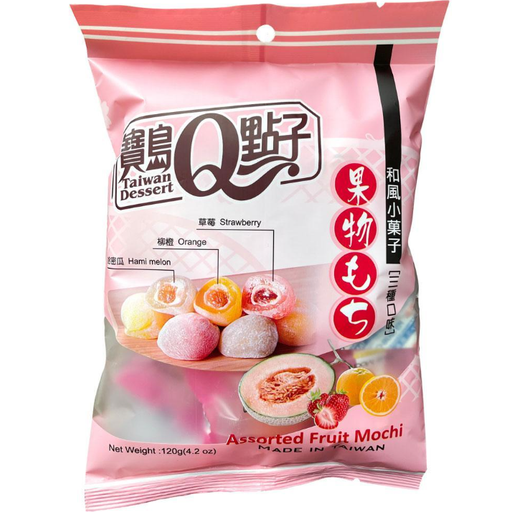
Why this product suits the profile: The 120 g pack contains mini mochi in strawberry, orange and melon flavours, making it an easy introduction to fruit mochi.
The specified flavours and ingredients list make the choice more transparent than a broad description such as “fruit flavour”.
120 g pack size, ready to eat and, according to the product information, with no listed allergens; possible traces should nevertheless be taken into account.
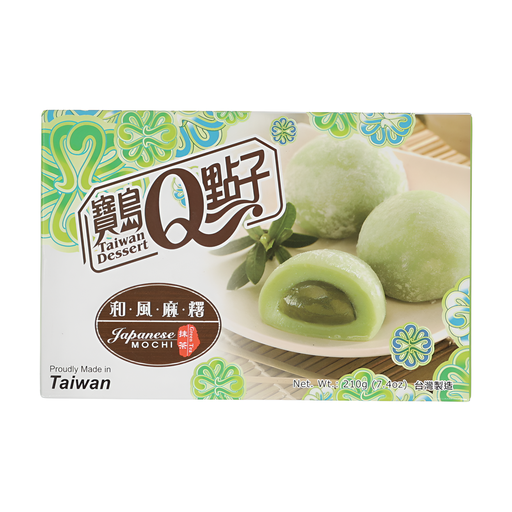
Why this product suits the profile: The recipe specifies the proportion of green tea paste and matcha powder. This makes it easier for fans of Japanese desserts and tea flavours to assess the product.
The quantitative ingredients information prevents “matcha” from being interpreted as the sole main ingredient without further details.
210 g contents, individually wrapped, ready to eat and, according to the product description, intended to be enjoyed at room temperature or lightly chilled.
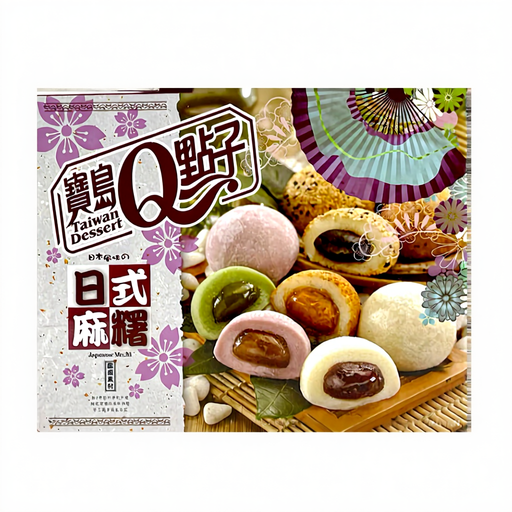
Why this product suits the profile: The large pack combines red bean, peanut, sesame, matcha and taro flavours, making it suitable for sharing or for several snack occasions.
The variety of flavours reduces the risk of buying a larger pack containing just one unfamiliar flavour. Peanuts and sesame are explicitly listed as allergens.
600 g contents, five specified filling varieties and individually wrapped pieces for serving during a tea break or at a celebration.
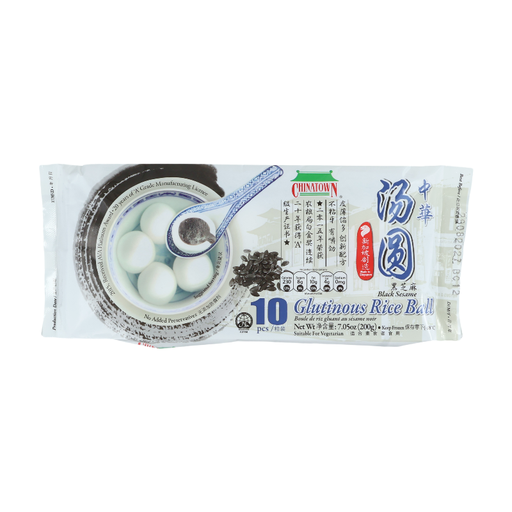
Why this product suits the profile: These Chinese Tangyuan are intended to be cooked and feature a black sesame filling in a shell made from glutinous rice flour.
The “frozen raw product” label makes it clear that the rice balls must not be eaten straight from the pack.
200 g pack, prepared by boiling until the rice balls rise to the surface, with sesame clearly stated as an allergen.
Fans of classic Asian sweets may enjoy red bean paste, sesame and peanut. If you prefer modern dessert flavours, you can choose mochi with chocolate, tiramisu, Cookies & Cream or mint chocolate. Fruit varieties range from grape and strawberry to blueberry and cantaloupe, depending on the product.
Pay particular attention to milk, lactose and soya in creamy fillings. Individually wrapped varieties with several flavours are practical for gifts or mixed tastings. For an everyday snack, a smaller pack may be more suitable, as many suppliers recommend eating mochi soon after opening.
The best-before date is shown on the relevant packaging. Once opened, ready-to-eat mochi should be eaten soon afterwards and stored tightly sealed. Direct sunlight, high temperatures and moisture can affect the texture.
It depends on the product. Ready-to-eat Japanese or Taiwanese mochi can be eaten straight away. Frozen Tangyuan rice balls, however, must be cooked thoroughly before consumption. Always follow the preparation instructions on the packaging.
Glutinous rice itself contains no gluten. However, individual products may contain wheat starch, biscuits or warnings about possible traces of gluten-containing cereals. If you have coeliac disease or a gluten intolerance, check the specific ingredients and allergen information for each product.