
Lieferung heute & morgen

Qualitätsgarantie

Willkommens-Angebote freischalten: KOSTENLOSE Lieferung | Bis zu 80 % RABATT | Kostenlose 30-Tage-JoyPlus-Testphase
App herunterladen
If you want to buy mochi online, you will find a wide selection of Japanese mochi, Taiwanese mochi and filled varieties. Their soft, elastic shell made from glutinous rice, combined with a range of fillings, makes mochi a popular Asian sweet for tea time, dessert or sharing. However, product names alone reveal little about ingredients, allergens, pack size and storage.
“Japanese mochi” often refers to the familiar shape and texture of this sweet treat. However, many products are made in Taiwan or China and marketed as Japanese-style or Japanese rice cakes. If you are looking for a specific origin, check the “Country of Origin” or “country of origin” information on the product page or packaging.
Names such as matcha latte, tiramisu or fruit filling often describe a flavour profile rather than guaranteeing a high proportion of the named ingredient. Checking the ingredients list will show whether the product contains matcha, fruit paste, cocoa powder or simply flavouring, for example. When you buy mochi online, the order of the ingredients should therefore matter more than the product image.
Mochi often contain sugar, maltose and glutinous rice flour. Filled mochi may also contain milk, soya, egg, peanuts or sesame. Some products also warn that they may contain traces of other allergens. Before buying, anyone with allergies should check the current labelling on the packaging.
The soft texture also depends on storage. Most of the products described here should be stored in a cool, dry place, protected from direct sunlight and heat. Sealing the pack tightly after opening is advisable; for some products, it is recommended that the contents are consumed promptly.
Mochi rice cakes mainly differ in their fillings. Options include:
If you prefer fruit flavours, it is worth checking whether fruit paste, fruit juice or fruit powder is listed. For matcha products, the stated matcha content is another useful point of comparison. For example, according to the product information, Royal Family Intense Matcha Mochi contains 3% matcha powder, while Q-Brand Japanese-Style Green Tea Mochi lists 0.3% matcha powder and also contains green tea paste.
Allergen labelling is especially important with filled mochi. Taiwan Royal Peanut Mochi contains peanuts. According to the product information, BAMBOO HOUSE Matcha Latte Mochi and Tiramisu Mochi contain milk and soya. Bamboo House’s strawberry, cantaloupe and blueberry varieties contain egg and milk.
Q-Brand Cacao Mochi Matcha Flavor lists milk and soya; it may also contain traces of gluten, peanuts, tree nuts and sesame. If you are unsure, follow the labelling on the pack delivered, as recipes and packaging information may be updated.
The packs available range, for example, from 80 g to 210 g. Smaller packs are useful if you want to try a new flavour first. Larger bags with individually wrapped pieces are better suited to sharing, the office or as a mochi gift.
The nutritional values should also suit your personal portion planning. Depending on the variety, the values stated in the product data range from approximately 308 to 406 kcal per 100 g. Mochi are sweets, not a complete meal. The values on the relevant packaging are decisive for the specific portion.
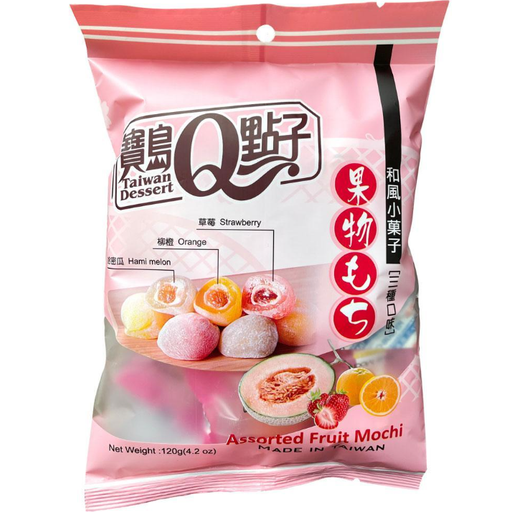
Why this product suits this profile: The 120 g pack contains several fruit flavours, including strawberry, orange and melon. This lets you try a selection without immediately buying a larger pack of one flavour.
The variety of flavours reduces the risk of buying a large pack containing just one flavour you may not enjoy. According to the product information, the pieces are ready to eat.
Three fruit profiles in one pack; according to the product data sheet, no allergens are listed, although it may contain traces of soya, peanuts, nuts and sesame.
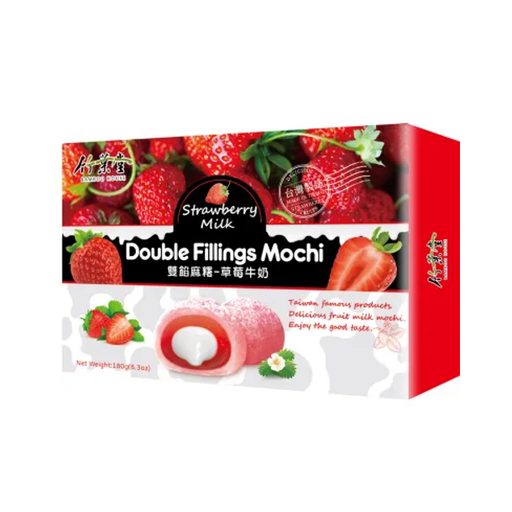
Why this product suits this profile: The combination of strawberry paste and milk paste appeals to shoppers who look for a clearly described, multi-layered filling in filled mochi.
The product description names both filling layers and identifies strawberry as an ingredient in the paste. Egg and milk are listed as allergens.
180 g pack, individually wrapped pieces and a two-layer filling with strawberry paste and milk paste.
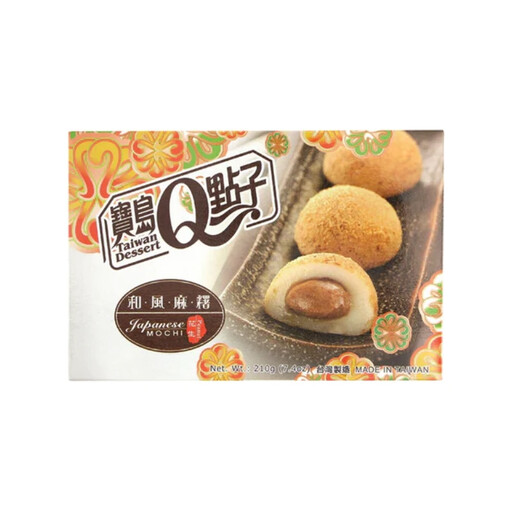
Why this product suits this profile: The 210 g pack with individually wrapped pieces is ideal for keeping in stock, enjoying at tea time or sharing with others.
The product data specifically identifies the filling as peanut paste and lists peanuts as an allergen. This makes it easier to check whether it is the right choice before buying.
210 g contents, individually wrapped, made in Taiwan according to the product information, with a clearly identified peanut filling.
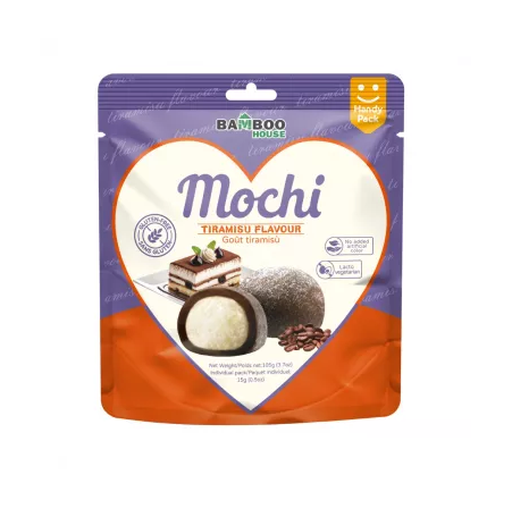
Why this product suits this profile: This flavour combines mochi with cocoa and coffee-style dessert notes, making it a great choice for a tea or coffee break.
The ingredients list identifies milk and soya as allergens. This allows shoppers to distinguish the creamy dessert filling from fruity or nut-based varieties.
Individually wrapped pieces, 105 g contents and a stated tiramisu filling with cocoa powder.
We have put together a complete, regularly updated list of products that fully meet these strict selection criteria and the safety regulations applicable in the EU.
The best-before date is shown on the packaging. The exact shelf life depends on the product and storage conditions. Many of the packs mentioned should be stored in a cool, dry place. After opening, seal the pack tightly and consume the mochi promptly so that the rice cakes retain their soft texture.
Not generally. According to the product information, most products are ready to eat at room temperature and should not be exposed to direct sunlight or heat. For some fruit varieties, brief chilling is suggested as a serving recommendation. The instructions for the individual product take priority.
Mochi are soft, but also elastic and sticky. Children should chew the pieces thoroughly and be supervised while eating. If anyone has allergies, check the complete ingredients and trace-allergen information on the specific pack.