
Lieferung heute & morgen

Qualitätsgarantie

Willkommens-Angebote freischalten: KOSTENLOSE Lieferung | Bis zu 80 % RABATT | Kostenlose 30-Tage-JoyPlus-Testphase
App herunterladen
Anyone who’s stood in the Asian cooking aisle knows the challenge: dozens of cans of coconut milk that all look similar but promise different results. Deciding which coconut milk to buy can be the difference between a creamy Thai curry and a watery disappointment.
As your Joybuy Product Recommendation Officer, I'm here to help you see through the marketing claims and make an informed choice. We'll focus on the facts so you can find the exact product that fits your culinary project.
Many consumers grab the wrong product because they fall for common misconceptions. You should know these three points to avoid unnecessary expense and culinary disasters:
To find the right coconut milk, you should focus on two or three objective criteria instead of letting the packaging guide you.
This is the most important indicator of texture and flavour. You can find this information in the nutritional table or the ingredients list.
The ingredients list reveals what's in the can besides coconut and water.
Instead of making a blanket recommendation, we've selected products for specific needs and profiles.
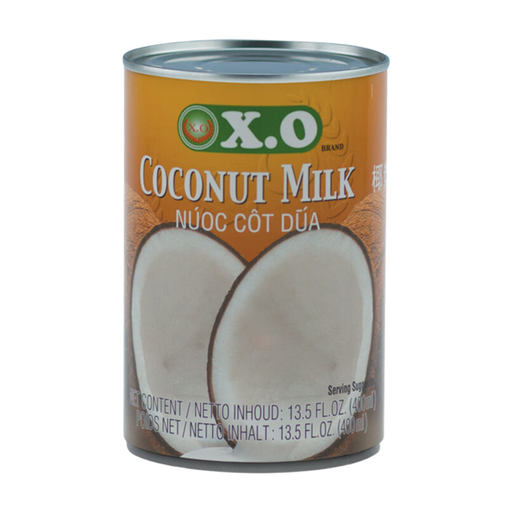
Why it's a great fit: For home cooks who want to achieve the authentic, rich flavour of Asian cuisine. The high concentration of coconut extract provides a luxurious, thick consistency that perfectly finishes curries and soups.
This product delivers genuine creaminess through a high coconut extract content of 75% and 18g of fat per 100ml, rather than relying on vague marketing terms.
The rich texture acts as an excellent binding agent in sauces and prevents a watery result.
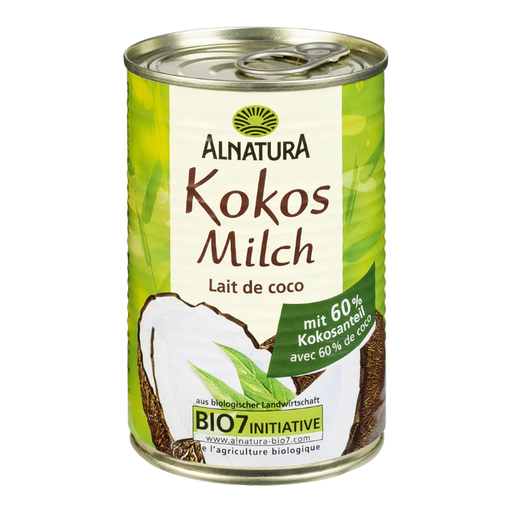
Why it's a great fit: Perfect for anyone who values certified organic quality and a pure formula. Ideal for a conscious diet and as an ingredient in dishes where the natural coconut flavour should be the star.
The ingredients list consists of only coconut and water. This helps you avoid the trap of hidden additives and ensures you get an unadulterated product.
Organic quality and the deliberate omission of stabilisers guarantee a pure, authentic taste.
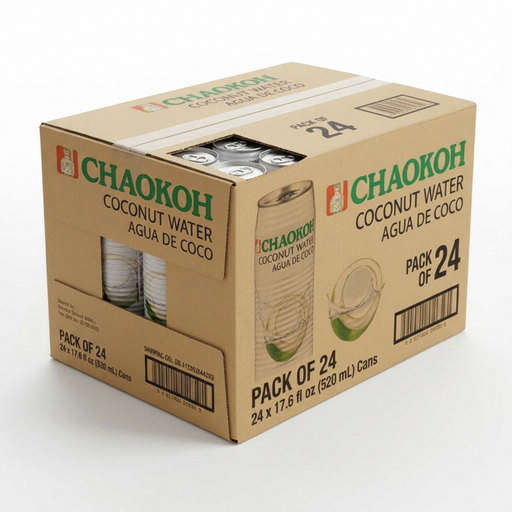
Why it's a great fit: For athletes or anyone looking for a natural, isotonic drink for hydration. This is not a cooking product, but a pure, refreshing beverage.
This product resolves the confusion between a cooking ingredient and a beverage. It is clearly declared as 100% coconut water, preventing a mistaken purchase for a curry recipe.
Pure, unadulterated coconut water with no added sugar or other additives. Ideal for natural rehydration.
We've compiled a complete, up-to-date list of products that fully meet these strict selection criteria and UK regulations.
This is a completely normal and often a good sign. The creamy, solid layer that separates at the top is the coconut fat. This happens especially at cooler temperatures and in products without emulsifiers or stabilisers. It's a sign of a natural product. Shake the can vigorously before opening or warm it gently in a water bath to liquefy the coconut milk again.
Yes, coconut milk is an excellent vegan alternative to cream. Full-fat coconut milk (approx. 17–22% fat) can replace single or double cream in soups, sauces, and curries. The solid cream from a chilled can can even be whipped like whipping cream. Reduced-fat versions work well as a substitute for coffee creamer or in lighter desserts.
Once opened, coconut milk should not be stored in the metal can. Transfer the leftovers to a clean, sealable glass or plastic container and store it in the refrigerator. It will typically stay fresh for 2 to 3 days. Trust your sense of smell and taste; if the milk smells sour, it should no longer be used.