
Lieferung heute & morgen

Qualitätsgarantie

Willkommens-Angebote freischalten: KOSTENLOSE Lieferung | Bis zu 80 % RABATT | Kostenlose 30-Tage-JoyPlus-Testphase
App herunterladen
Anyone who has tried authentic Mango Sticky Rice in Thailand wants to recreate the experience at home. But the attempt often fails at the most crucial ingredient: the rice. Finding the right glutinous rice can be confusing, as shelves are filled with countless rice varieties. This guide will help you avoid the common pitfalls and find the perfect Asian glutinous rice for your culinary projects.
A common mistake is choosing a rice that looks similar but is unsuitable. Products like sushi rice or jasmine rice are used in Asian cuisine, but they lack the key property that defines sticky rice. The result is a dish that misses the characteristic, pleasantly chewy, and sticky texture. Another pitfall is unclear labelling. Terms like "sweet rice" or "pudding rice" add to the confusion and often lead to buying the wrong product, as only true glutinous rice has the high amylopectin starch content responsible for its stickiness.
To ensure your dish is a success, you should pay attention to a few key parameters. These characteristics determine the texture, flavour, and suitability for your recipe.
Not all glutinous rice is the same. The two most common varieties differ in grain length, which directly impacts the final cooked result:
The origin often provides a clue to its intended use. For Thai recipes, a product from Thailand is usually a safe bet.
Glutinous rice is available in different colours, which vary in flavour and nutritional profile:
Choosing the right package size depends on your consumption. For occasional cooking projects, a 1kg bag of glutinous rice is ideal to ensure freshness. Families or avid home cooks who regularly prepare Asian dishes will benefit from larger formats like 4.5 kg or 5 kg. Catering businesses can also find sacks of 10 kg, 18 kg, or more, which allow for cost-effective purchasing.
To make your choice easier, we have matched some products to different user profiles.
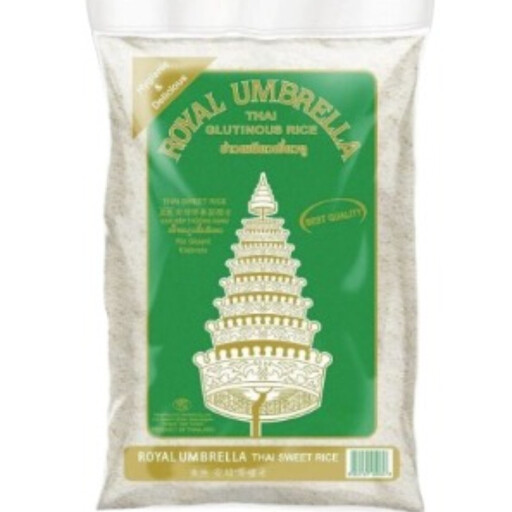
Why This Fits Their Persona: Ideal for preparing classics like Mango Sticky Rice without having to commit to a bulk package. The 1 kg size is perfect for first attempts and occasional use.
Guaranteed authentic Thai glutinous rice, which eliminates any confusion with regular jasmine or sushi rice. The clear product name ensures you buy the right item.
100% pure Thai glutinous rice delivers the correct sticky yet tender texture required for Southeast Asian desserts.
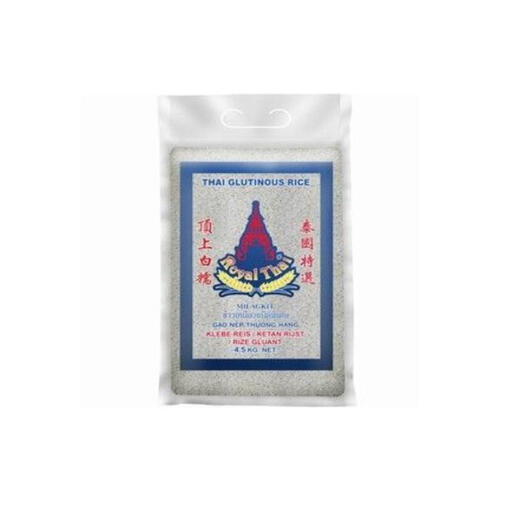
Why This Fits Their Persona: Offers excellent value for money for households where Asian dishes are a regular feature. The 4.5 kg package is convenient and economical for frequent use.
The clear "Glutinous Rice" label and its Thai origin prevent the accidental purchase of an unsuitable product for traditional recipes.
Versatile enough for both sweet and savoury dishes. The round grain shape ensures a perfect sticky texture after steaming.
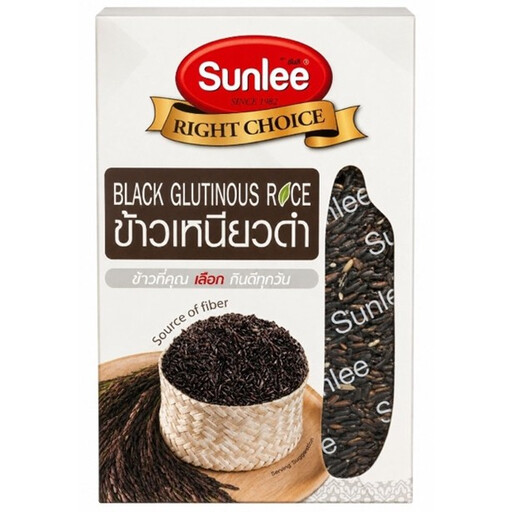
Why This Fits Their Persona: A nutrient-rich, whole-grain alternative to white glutinous rice, ideal for those who appreciate a nuttier flavour and extra fibre.
Clearly labelled as "Black Glutinous Rice," which prevents confusion with non-sticky black wild rice and guarantees the desired sticky quality.
Thanks to the whole grain, it retains its stickiness while adding an appealing colour and nutty flavour to desserts and salads.
We have compiled a complete, up-to-date list of products that fully meet these strict selection criteria and all relevant regulations.
Yes, soaking is a crucial step in preparing glutinous rice. The rice should be soaked in cold water for at least 4 hours, or ideally overnight, before cooking. This process allows the grains to absorb water, which ensures even cooking and the development of its characteristic, uniformly sticky texture. Without soaking, the core of the rice grains often remains hard.
Although both are used for creamy or sticky dishes, they differ fundamentally in their starch composition. Glutinous rice (also known as sticky rice or sweet rice) consists almost entirely of amylopectin starch. This starch is water-soluble and causes the grains to stick together very firmly after steaming. Pudding rice (a short-grain rice like Arborio) has a more balanced ratio of amylopectin and amylose. It releases starch into the water during cooking, creating a thick, creamy consistency, but it doesn't stick together in the same way. For authentic Asian dishes, only glutinous rice is suitable.
The traditional and recommended method for preparing glutinous rice is steaming. After soaking, the rice is drained thoroughly and placed in a cloth-lined steamer basket (often made of bamboo). It is then steamed over a pot of boiling water for about 20–30 minutes, until the grains are translucent, soft, and fully cooked. Boiling it directly in water, like regular rice, would lead to a mushy result and is therefore not recommended. Some modern rice cookers have a special setting for glutinous rice that can also yield good results.