
Same-day & Next-day Delivery

Quality Guaranteed

Unlock Your Welcome Offers: FREE Delivery | Up to 80% OFF | Free 30-day JoyPlus trial
Download the APP
A high-quality cast iron Dutch oven is more than just a cooking pot; it's a lifetime investment and the centrepiece of countless culinary adventures, from Sunday roasts to freshly baked bread. Choosing the right model can be a challenge given the variety of shapes, sizes, and brands available. This guide is designed to help you make an informed decision by presenting objective criteria and a selection of tried-and-true models for 2026.
Before you decide on a model, there are a few key features to consider that will significantly impact its usability and handling.
The shape of the Dutch oven should be determined by its primary use.
The volume, specified in litres, should match your household size. A capacity of 4 to 5 litres is a good starting point for most families.
Modern cast iron Dutch ovens are typically enamelled. This enamelled cast iron pot combines the excellent heat retention of cast iron with an easy-to-clean, hygienic surface. There are two main types of interior enamel:
A tight-fitting cast iron pot with a lid is crucial for braising, as it traps steam inside, keeping the food moist and succulent. Some lids, like those on the Staub Cocotte, feature special structures on the underside that allow condensed moisture to drip evenly back onto the food.
You should also ensure the Dutch oven is compatible with your hob type. An induction-compatible Dutch oven is standard for most premium brands today, as cast iron is naturally ferromagnetic.
Here is a selection of models that stand out for their material quality, craftsmanship, and functionality.
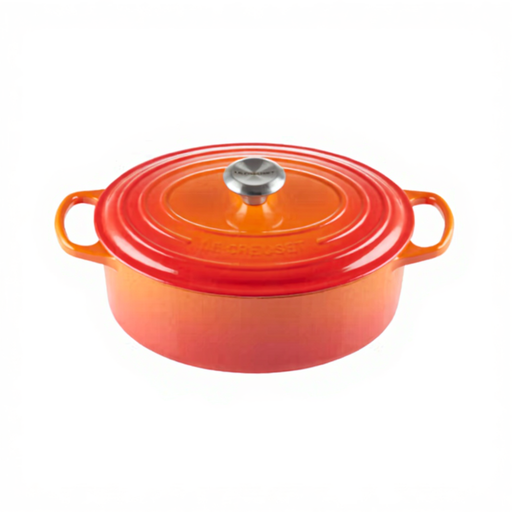
Why it stands out: The classic oval Dutch oven from Le Creuset in its iconic Volcanic colour is a kitchen legend. Its shape is specifically designed for preparing roasts or whole poultry.
Pros:
Who it's for: Home cooks who frequently prepare larger cuts of meat or whole poultry and who value a classic design and a light interior for better cooking control.
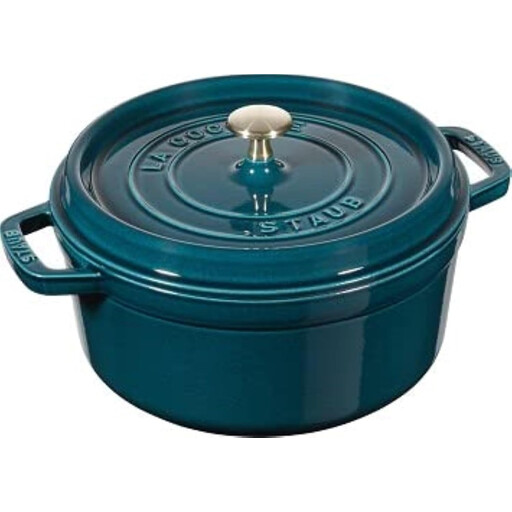
Why it stands out: The Staub Cocotte is renowned for its special lid featuring a "self-basting" system. Small spikes on the interior ensure continuous moisture distribution over the food, leading to exceptionally succulent results.
Pros:
Who it's for: Culinary enthusiasts who prioritise maximum moisture in their braised dishes and appreciate the durability and searing performance of a dark enamel coating.
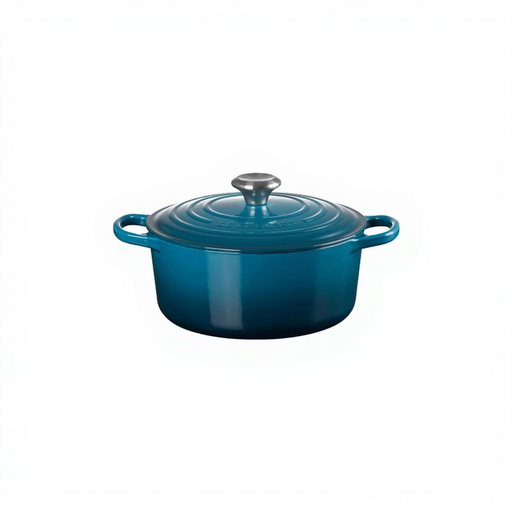
Why it stands out: This model is the epitome of the versatile cast iron pot with a lid. Its round shape and 24 cm size make it the perfect everyday companion for a wide variety of dishes.
Pros:
Who it's for: Anyone looking for their first high-quality cast iron Dutch oven that offers maximum flexibility for daily use. A reliable foundational piece for any kitchen.
If the models featured here don't perfectly match what you're looking for, or if you're specifically searching for cast iron Dutch ovens with a glass lid to keep an eye on the cooking process, you can find more alternatives in our wider selection.
Discover More Cast Iron Dutch Ovens Here
Allow the Dutch oven to cool completely after use to avoid thermal shock. Then, clean it with warm water, a mild dish soap, and a soft sponge. Stubborn residue can be loosened by briefly boiling water with a little dish soap or baking soda inside. Although many models are declared dishwasher-safe, hand washing is recommended to preserve the enamel's lustre long-term.
Yes, cast iron is a ferromagnetic material and is therefore inherently suitable for induction hobs. Almost every modern, high-quality cast iron Dutch oven is marked as induction-compatible. To be certain, always check the manufacturer's specifications for the specific product.
Both brands originate from France and represent high quality. The key differences lie in the details: The Le Creuset Dutch oven is distinguished by its light-coloured interior enamel and classic design. The Staub Cocotte, on the other hand, uses a matte black interior enamel and a special lid with self-basting spikes for enhanced moisture circulation. The choice ultimately depends on personal cooking preferences and the desired aesthetic.