
Lieferung heute & morgen

Qualitätsgarantie

Willkommens-Angebote freischalten: KOSTENLOSE Lieferung | Bis zu 80 % RABATT | Kostenlose 30-Tage-JoyPlus-Testphase
App herunterladen
A cereal bar seems like the ideal on-the-go snack: practical, compact, and supposedly nutritious. But the reality on supermarket shelves is often more complex. Many products marketed as a healthy source of energy turn out to be little more than candy bars in disguise, packed with hidden sugars and few nutrients. Choosing the right bar, therefore, requires more than a quick glance at the packaging.
This guide will help you navigate the common pitfalls of buying cereal bars and understand the crucial criteria for making your choice. We'll show you what really matters when it comes to ingredients, ensuring your next cereal bar delivers on its promise.
Before you choose a bar, you should be aware of the common marketing strategies and product flaws that often lead to a poor choice.
To find the right cereal bar for your needs, you should check three central aspects. These will give you an objective basis for your purchasing decision.
The total sugar content, listed as "of which sugars" on the nutrition label per 100g, is the most important indicator. Compare this value across different products. On the ingredient list, watch for terms like glucose-fructose syrup, invert sugar syrup, or dextrose, which all indicate added sugar. Products sweetened only with fruit or maple syrup, like some organic bars, can be an alternative, but they still contain natural sugar.
Fibre and protein are essential for sustained satiety and a slower release of energy.
A short, understandable ingredient list is often a mark of quality. Pay attention to the proportion of wholegrains, nuts, or fruits. The source of fats is also crucial. Many bars use coconut fat or palm fat, which have a high percentage of saturated fatty acids. Sunflower oil or rapeseed oil are alternatives with a higher proportion of unsaturated fatty acids. Certifications like Rainforest Alliance for cocoa or an organic seal can also indicate more responsible manufacturing practices.
Instead of a one-size-fits-all recommendation, we present products tailored to specific profiles.
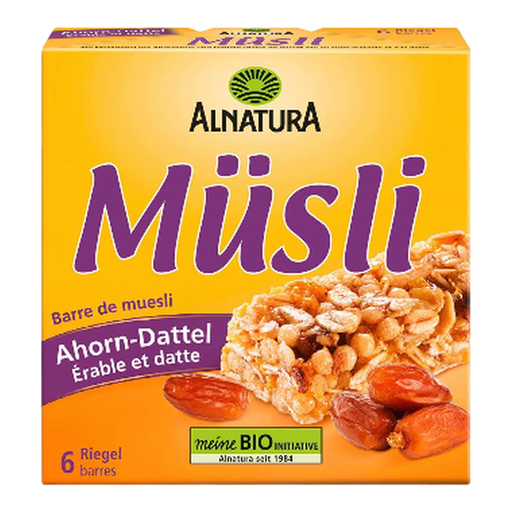
Why It's a Match: Ideal for those who value natural sweetness and a straightforward ingredient list. The vegan formula is based on oat flakes and sweetened with maple syrup and dates, making it a transparent organic bar.
This bar avoids the "health trap" by forgoing refined sugar in favour of natural sweeteners. Its organic certification ensures transparency in its ingredients.
Vegan recipe with organically sourced ingredients. The sugar content of 23g per 100g is moderate compared to many conventional bars.
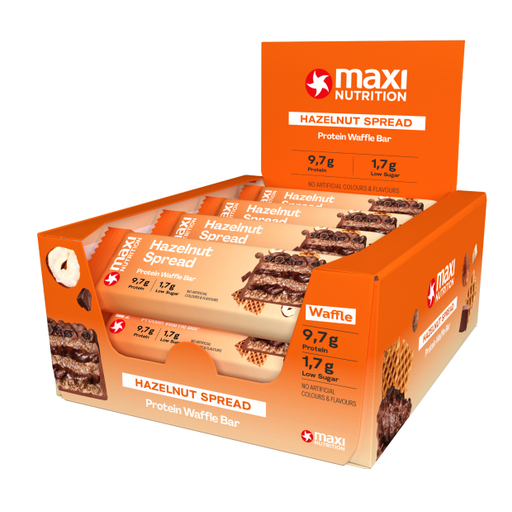
Why It's a Match: This protein bar is designed for individuals seeking a snack that supports muscle development and provides longer-lasting satiety. It combines a crispy wafer texture with a high protein content.
It escapes the "satiety illusion" thanks to its high protein content of 25g per 100g. This provides a more sustained energy supply compared to bars that are purely carbohydrate-based.
High protein content (9.7g per bar) and no added sugar. The sugar content is just 4.3g per 100g, making it an excellent choice for a low-sugar diet.
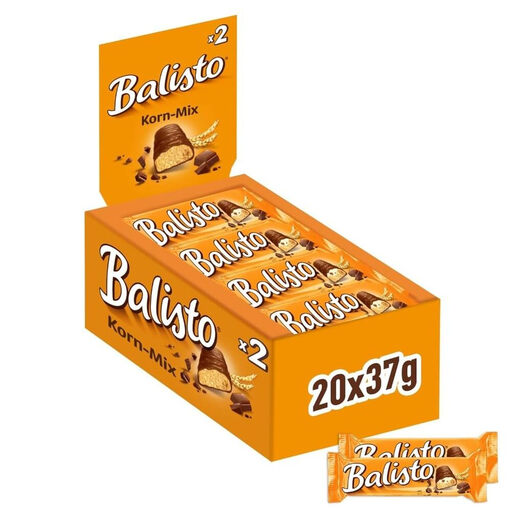
Why It's a Match: The bulk pack of cereal bars from Balisto is perfect for stocking the pantry and serves as a reliable on-the-go snack for the whole family. Its high wholegrain content makes it a solid choice for lunchboxes.
This product navigates the "ingredient list jungle" by clearly highlighting its main advantage—a 45% wholegrain content. This provides a transparent basis for a purchasing decision.
High wholegrain content for a good base of dietary fibre. The convenient bulk pack of 20 individually wrapped bars offers great value for money and makes planning easy.
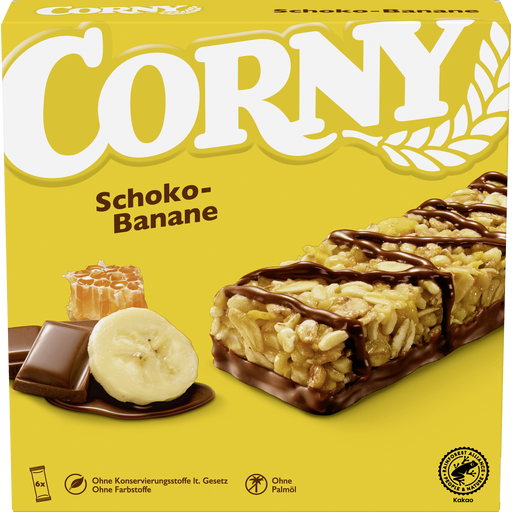
Why It's a Match: The classic Corny bar with chocolate and banana is a time-tested companion for anyone looking for a tasty and straightforward cereal bar to satisfy hunger between meals. Here, flavour is the top priority.
This bar clearly positions itself as an indulgent treat, not a diet product. It avoids the "health trap" through honesty: it's a sweet snack for an energy boost, not a high-performance functional food.
A popular and proven flavour combination. The cocoa is Rainforest Alliance certified, indicating more sustainable sourcing. The 13% wholegrain content provides a solid base.
We've compiled a complete, up-to-date list of products that fully meet these strict selection criteria.
1. How do I identify a cereal bar with no added sugar? Look for the "no added sugar" label on the packaging. Additionally, check the ingredient list for terms like sucrose, glucose syrup, fructose, or malt extract. The most reliable figure is the "of which sugars" value in the nutrition table. Products like the Corny Free bar use sweeteners (e.g., maltitol) instead of sugar, which lowers the calorie count.
2. Are protein bars a good alternative to classic cereal bars? That depends on your goal. For better satiety or for recovery after a workout, a protein bar can be more beneficial due to its higher protein content. For a quick energy boost, a classic oat bar may be sufficient. However, always compare the sugar and fat content, as some protein bars can also be very high in calories.
3. What should I look for in cereal bars for children? Choose bars with the lowest possible sugar content and no artificial additives. A higher wholegrain content ensures a more stable energy release. For toddlers, avoid bars with whole nuts to prevent a choking hazard. Products specifically designed for children, such as those from HiPP, are often tailored to their nutritional needs and use only natural fruit sweetness.