
Lieferung heute & morgen

Qualitätsgarantie

Willkommens-Angebote freischalten: KOSTENLOSE Lieferung | Bis zu 80 % RABATT | Kostenlose 30-Tage-JoyPlus-Testphase
App herunterladen
The search for the right chili garlic sauce can quickly become overwhelming. Shelves are filled with products all promising intense flavour and authentic taste. In practice, however, many turn out to be a disappointment. Instead of a balanced, spicy-aromatic addition to your dishes, you often get a product that fails to meet expectations. Before you make a decision, you should be aware of the common pitfalls.
A common problem is misleading labelling. Many sauces advertised as "authentic" consist mainly of sugar, water, and artificial flavours, while the proportion of real chili and garlic is negligibly small. Another drawback is an unbalanced flavour profile: some products are overly sweet or dominated by an overpowering vinegar note that masks the actual taste of chili and garlic. This makes the sauce unusable for refined dishes, serving only as a simple source of heat without any aromatic depth.
To ensure you get a product that truly enhances your dishes, you should check three core parameters. These will help you objectively evaluate the quality of a chili garlic sauce and see through marketing promises.
The most important information is found in the ingredients list. A high-quality hot garlic sauce will list chili and garlic near the top. Look for terms like "salted chili peppers" or "dried garlic" and their percentage. A high proportion of these main ingredients is often an indicator of an intense and authentic taste experience. Products that list sugar or water first usually offer a lower flavour density.
The texture of an Asian seasoning sauce largely determines its use. There are fundamental differences:
An excessively high sugar content can be a sign that the quality of the main ingredients is being masked by sweetness. Compare the sugar content per 100g—values over 20g can quickly dominate the taste. The same applies to salt content. A good chili and garlic marinade needs a balanced base that isn't already limited by too much salt. The nutrition facts provide objective data that goes beyond advertising claims.
Based on the criteria mentioned, we have compiled a selection of products suitable for various user profiles and cooking needs.
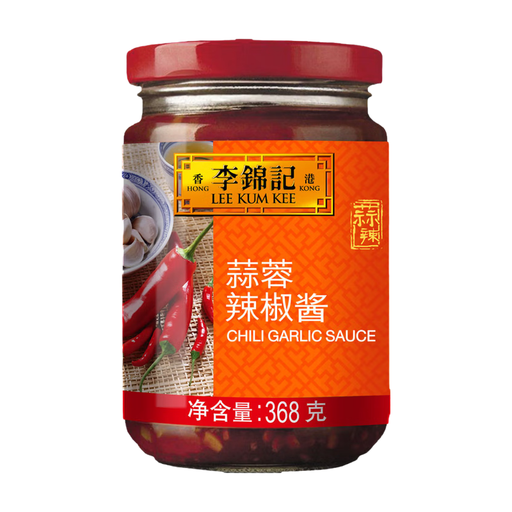
Why This Fits Their Persona: Ideal for cooks seeking the classic, robust flavour of an established brand. This sauce delivers a reliable and familiar flavour profile that is considered a benchmark in Asian cuisine.
With 59% salted chili peppers as the main ingredient, the focus is clearly on heat and chili flavour rather than masking the taste with sugar.
A benchmark product from a renowned manufacturer. The Lee Kum Kee chili sauce is a reliable choice for authentic recipes.
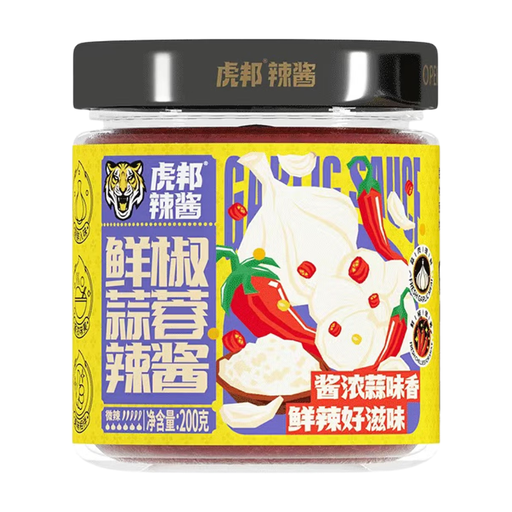
Why This Fits Their Persona: Perfect for kitchens where one sauce needs to perform multiple tasks. This product is designed as an all-rounder for various cooking methods.
The combination of 50% chili peppers, yellow bean sauce, and garlic creates a complex, umami-rich profile that goes beyond simple heat.
Its versatility is the biggest advantage: it can be explicitly used as a dip for dumplings, a sauce for wok dishes, and a chili and garlic marinade.
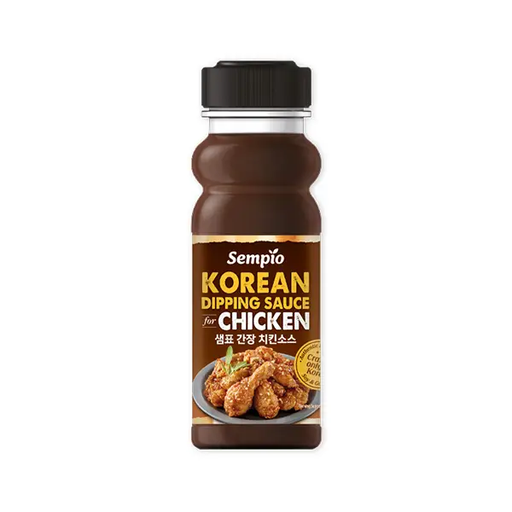
Why This Fits Their Persona: For anyone who wants to prepare a specific dish—like Korean Fried Chicken—easily and with guaranteed success, without having to mix individual ingredients.
This is not a universal chili garlic sauce, but a specialised, ready-to-use seasoning sauce. It doesn't promise to do everything, but to do one thing very well.
A ready-to-use, all-in-one solution that significantly simplifies the cooking process and delivers a consistent, flavourful result for a popular dish.
We have compiled a complete, up-to-date list of products that fully meet these strict selection criteria.
After opening, the sauce should be stored in the refrigerator. The exact shelf life varies by product and composition (especially acid and salt content). As a rule, it will last for several weeks to months. The manufacturer's label provides the most reliable information. A layer of oil on the surface can also act as a natural protective barrier.
Yes, many chili garlic sauces work well as a base for a chili and garlic marinade. For best results, it is recommended to mix the sauce with a little oil, soy sauce, or honey. This makes the marinade smoother, allows it to coat meat or vegetables more evenly, and helps the flavours to penetrate more deeply.
The main difference lies in their consistency and composition. A sauce is typically a thicker emulsion or paste that, in addition to chili and garlic, may contain ingredients like vinegar, sugar, water, or bean paste. It is often used as a cooking ingredient or dip. A chili oil, on the other hand, consists primarily of oil in which chili and garlic flakes are infused. It is mostly used as a finishing product to refine and flavour finished dishes.