
Same-day & Next-day Delivery

Quality Guaranteed

Unlock Your Welcome Offers: FREE Delivery | Up to 80% OFF | Free 30-day JoyPlus trial
Download the APP
Depending on the variety, Chinese pickled mustard greens can be a ready-to-serve side dish, seasoning ingredient or base for stir-fries. In the German market, different products are sold under similar names, including pickled mustard greens, mustard tubers, fermented mustard vegetables and zhacai. If you focus only on the product image or brand name, you can quickly end up with a pack that does not suit your taste or intended use.
This selection by the Joybuy Product Recommendation Officer explains the key differences and highlights what households, home cooks and Sichuan cuisine enthusiasts should consider when buying.
“Chinese pickled mustard greens” is a broad umbrella term. Leafy mustard greens are often roughly chopped, fermented or salted and are suitable for soups, rice dishes and stir-fries. Zhacai, by contrast, is made from the thickened stem or mustard tuber. Its texture is usually firmer and crunchier.
Finely sliced zhacai can be a practical choice for noodle toppings or as a Chinese side dish served with congee. If you are looking for a mildly sour vegetable for soups or braised dishes, pickled mustard greens or sour mustard cabbage products are generally the better option.
A tangy flavour may result from fermentation, but it can also be adjusted with acidulants such as acetic acid, citric acid or lactic acid. The ingredients list provides the most reliable indication. Terms such as “fermented” or “traditional” should not replace checking the ingredients, salt content and storage instructions.
An 800 g pack can make sense for families or regular users. However, once opened, it often needs to be refrigerated and consumed promptly. For occasional meals, single portions of 60 to 80 g are usually easier to plan. This also leaves less opened product in the refrigerator.
Preservation often makes pickled mustard greens relatively high in salt. In this selection, the stated values range from 2.8 g to 12 g of salt per 100 g, for example. This is not a quality judgement, but an objective difference that should be taken into account when planning portions.
Preparation is also important for dried mustard greens. According to the product information, Fangjia Puzi Dried Pickled Mustard Greens 300 g should be soaked in clean water for 5 to 10 minutes and then rinsed once or twice. Only after that should it be cooked. This variety should therefore not be treated like a ready-to-eat snack.
Look for clear instructions such as “ready to eat” or “Cooking required”. Ready-to-eat products can be served straight away with rice, noodles or porridge. Dried or heavily salted varieties, on the other hand, need to be soaked, rinsed or cooked.
Pre-portioned products are ideal for quick meals. If you want to fine-tune a recipe, dried mustard greens give you greater control over the quantity and intensity.
Depending on the product, spicy mustard greens may contain chilli, chilli oil, Sichuan pepper or other spices. Soy, wheat, sesame, mustard and sulphites may also be listed as allergens. Always check the current packaging information before buying.
Sweeteners, flavour enhancers and preservatives also vary. Products with a short ingredients list are not automatically better suited to every use, but they can be easier to assess when planning your recipes.
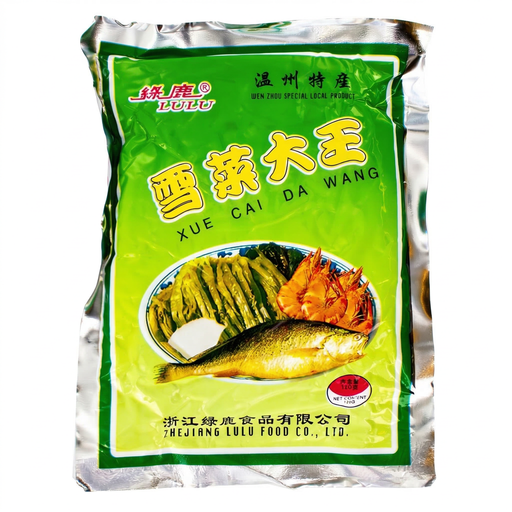
Why This Fits Their Persona: The compact 150 g pack is ideal for individuals or households that want to try Chinese pickles in a manageable quantity first.
The product information describes it as finely chopped and ready to eat, eliminating the additional soaking time required for dried products.
150 g net weight, ready to use and well suited to rice, noodles and stir-fries.
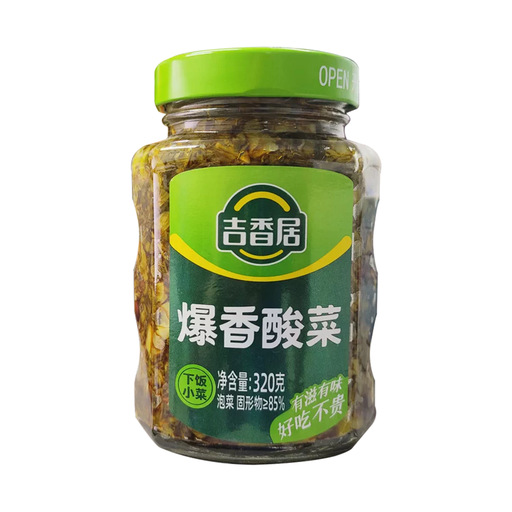
Why This Fits Their Persona: The combination of large-leaf mustard greens, yardlong beans, chilli, ginger and garlic will appeal to anyone looking for a richly seasoned Asian vegetable side dish.
The ingredients list makes clear that this is a seasoned product, not simply plain fermented greens. This makes its intense character easier to assess before buying.
320 g contents, suitable for stir-fries, soups, mixed noodles or eating straight from the pack.
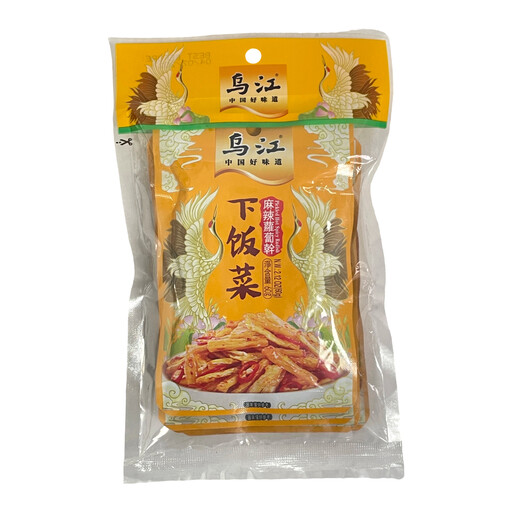
Why This Fits Their Persona: The four individual sachets are convenient for small meals, lunchboxes or keeping on hand for rice, noodles and steamed dishes.
The term “mala” indicates a spicy, aromatic profile with the characteristic Sichuan numbing sensation. Those who prefer mild side dishes can therefore rule out this option deliberately.
240 g total weight, four portions, ready to eat and, according to the product information, made primarily with radish.
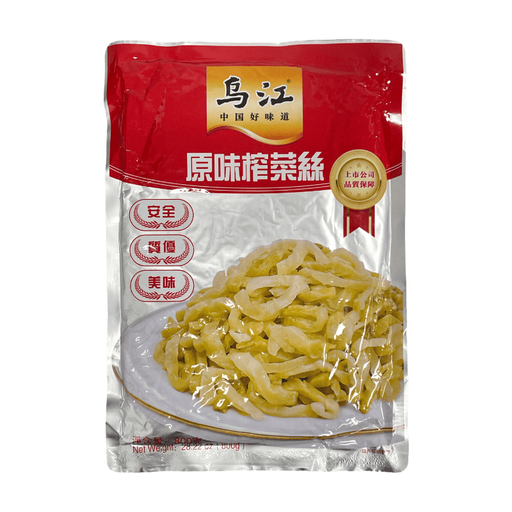
Why This Fits Their Persona: The large pack is designed for regular use, such as in dan dan noodles, rice dishes, soups and stir-fries.
The product description states a salt content of 6 g per 100 g. This allows users to dose it as a seasoning ingredient rather than treating it indiscriminately like a vegetable.
800 g net weight, finely sliced and, according to the product information, shelf-stable for up to 480 days; the specific best-before date is printed on the packaging.
We have assembled a complete, up-to-date selection of products that meet these criteria and comply with applicable EU labelling requirements.
Zhacai is primarily made from the thickened stem or mustard tuber and is often sliced into crunchy pieces. Pickled mustard greens are generally made from leaves and stems. Both products may be fermented or salted, but they differ in texture and typical uses.
Not always. The packaging will state whether the product is ready to eat. According to the product information, dried products such as Fangjia Puzi must be soaked, rinsed and then cooked. Ready-to-eat zhacai portions, by contrast, can be opened and served immediately.
This depends on the product type and packaging. Several ready-to-eat products specify refrigerated storage and consumption within three to seven days. The specific manufacturer’s instructions on the packaging take precedence. You should also check the smell and appearance and ensure that the packaging is undamaged.