
Lieferung heute & morgen

Qualitätsgarantie

Willkommens-Angebote freischalten: KOSTENLOSE Lieferung | Bis zu 80 % RABATT | Kostenlose 30-Tage-JoyPlus-Testphase
App herunterladen
By the Joybuy Product Recommendation Officer, August 28, 2026
Zha Cai, the savoury pickled mustard tuber from the Sichuan region, is an indispensable condiment for many. Whether as a crunchy highlight in morning rice porridge (congee), a flavourful ingredient in noodle dishes, or simply enjoyed on its own as a snack—its unique taste is unmistakable. However, finding the right variety when shopping online isn't always easy. The selection is vast, and product descriptions can be vague.
Many buyers are disappointed after unboxing. A product advertised as "crisp" turns out to be soft and soggy, or a variety labelled "mild" is unexpectedly spicy. To help you avoid such disappointing purchases, we've compiled the key criteria that will help you find the perfect product for your palate.
Before you add a product to your cart, you should check three fundamental aspects. These characteristics largely determine the texture, flavour, and culinary use, and are often more important than brand recognition alone.
The way the pickled mustard tuber has been processed directly impacts its mouthfeel and preparation.
Chinese pickled vegetables are known for their diversity of flavours, and Zha Cai is no exception. The labels on the packaging provide important clues:
As a preserved food, Zha Cai naturally has a high salt content. It's therefore wise to check the nutrition label, especially if you are watching your salt intake. Values ranging from 4g to 8g of salt per 100g are common.
Also, pay attention to the ingredients list. Many products contain flavour enhancers like monosodium glutamate (MSG, E621) or sweeteners to round out the flavour. Reputable brands like Wujiang Zha Cai clearly list these ingredients. Also, check for allergens such as soy, wheat, or sesame if this is relevant to you.
Based on the criteria above, we have selected a few products that are well-suited for different preferences and applications.
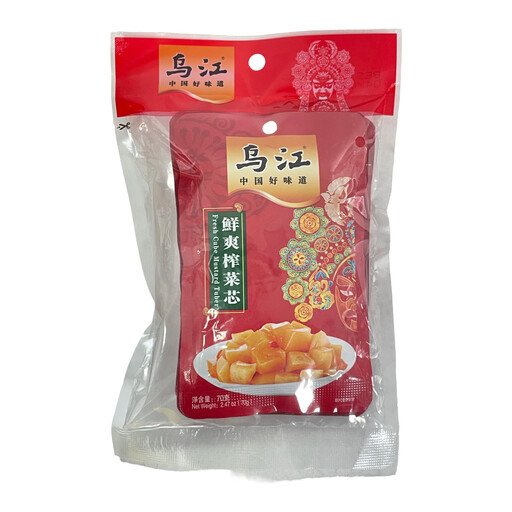
Why This Fits Their Persona: Ideal as a classic accompaniment to congee or rice. The small 70g portions ensure freshness and the characteristic, crisp texture of the mustard stem core. The flavour is a balanced salty-savoury with a hint of spice.
Avoids the "soggy trap" by using the mustard stem core and a process designed to preserve a firm, crisp texture.
Crisp texture from the mustard stem core; convenient single-serving packs for guaranteed freshness.
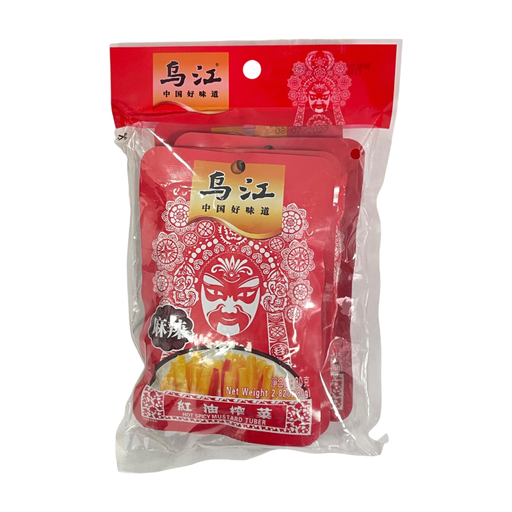
Why This Fits Their Persona: Perfect for anyone seeking the authentic, spicy flavour of Sichuan pickled vegetables. The aromatic chilli oil provides an intense heat and an appealing red colour that enhances any dish.
The "Red Oil" (红油) label is a clear indicator of its heat level, preventing disappointment from "spicy" versions that are too mild. The flavour is complex, not just hot.
Authentic Sichuan flavour with chilli oil; a well-balanced blend of salty, savoury, and spicy.
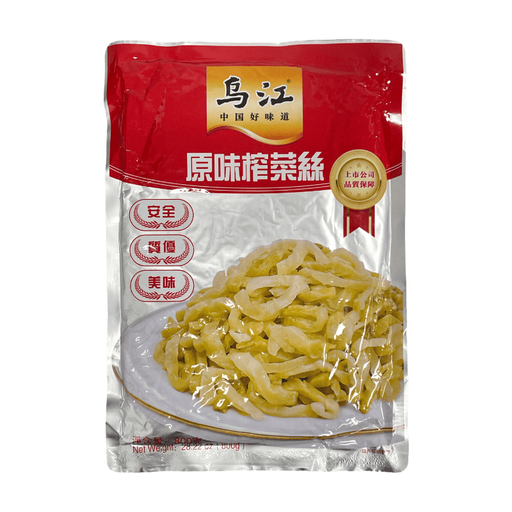
Why This Fits Their Persona: The 800g value pack is ideal for households where pickled mustard tuber is regularly used in stir-fries, soups, or as a side dish for the whole family. The whole tuber offers maximum flexibility in preparation.
Provides a cost-effective solution and avoids the need for frequent repurchasing of smaller, more expensive packs. The quality is preserved for longer thanks to the large, uncut tuber.
Large format for stocking the pantry; versatile in the kitchen, as you can determine the cut size yourself.
We've compiled a complete, up-to-date list of products that meet these strict selection criteria.
Once opened, Zha Cai should be stored in a clean, airtight container in the refrigerator. It is generally advisable to consume it within 5 to 7 days to maintain its freshness and crisp texture. Always follow the storage instructions on the packaging.
Yes, as a traditional cured vegetable (Chinese pickles), Zha Cai is naturally high in salt. If you find the taste too intense, you can soak the desired amount in cold water for a few minutes or briefly rinse it under running water before use. This will reduce the salt content but may also slightly alter the flavour and texture.
Its uses are incredibly versatile. It is classically served as an accompaniment to rice porridge (congee), rice, or noodle soups. It is also an excellent ingredient for adding a salty, savoury, and crunchy component to stir-fries, fried rice, soups, or even fillings for dumplings (baozi).