
Lieferung heute & morgen

Qualitätsgarantie

Willkommens-Angebote freischalten: KOSTENLOSE Lieferung | Bis zu 80 % RABATT | Kostenlose 30-Tage-JoyPlus-Testphase
App herunterladen
By Joybuy Product Recommendation Officer, August 28, 2026
The variety of pickled mustard greens on the shelves of Asian grocery stores or online shops can be overwhelming. Anyone looking to cook authentic Chinese dishes often faces the challenge of selecting the right product. The wrong choice not only leads to disappointment but also results in a dish that tastes nothing like the original. Before you buy Zha Cai next time, you should be aware of the most common pitfalls.
Many shoppers unintentionally make mistakes that compromise the cooking experience:
This guide will help you navigate these issues and find the perfect product for your culinary project.
To find the right pickled mustard greens, it's crucial to understand three fundamental parameters. These determine the product's flavour, texture, and intended use.
The term "pickled mustard greens" is an umbrella term for various products that differ significantly in the plant variety used and how they are processed.
The packaging size and type often provide a clue about the intended use.
The flavour spectrum of Chinese pickled vegetables is broad. Pay attention to the descriptions on the packaging:
Here are some recommendations tailored to specific needs and use cases.
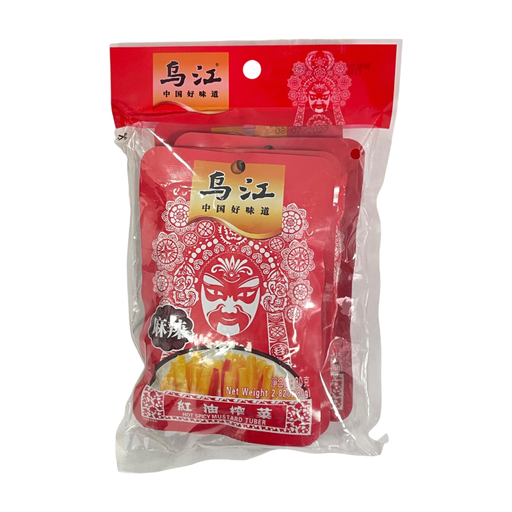
Why This Fits Their Persona: Perfect as an instant, flavour-packed side dish for rice, noodles, or congee. The 80g portion is ideal for a single meal and requires no further preparation.
This is a classic, ready-to-eat Zha Cai. Its crunchy texture and savoury oil clearly identify it as a side dish, not a soup ingredient. The small packaging prevents confusion with cooking ingredients.
Authentic Sichuan flavour; crunchy texture from a special processing method; convenient single-serving portion.
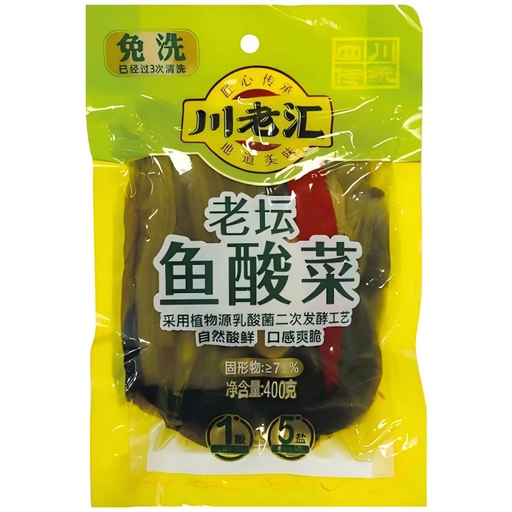
Why This Fits Their Persona: Specifically designed for preparing dishes like Suan Cai Yu (Fish with Sour Greens Soup). The large package is portioned for making a complete meal.
It provides the correct Suan Cai (leafy mustard greens) needed for the sour soup base, preventing the common mistake of using Zha Cai instead. The product name is unambiguous.
Specifically designed for fish dishes; a tart, refreshing profile that balances the richness of fish; must be cooked.
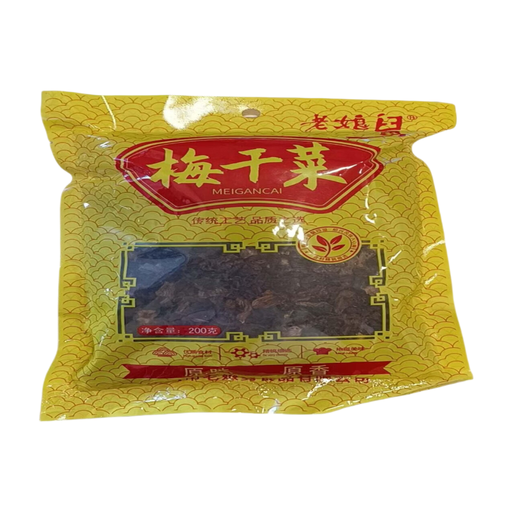
Why This Fits Their Persona: This is Mei Cai (dried mustard greens), the essential ingredient for the classic dish Mei Cai Kou Rou (braised pork belly) and other slow-cooked meals.
Being labelled as a dried product that requires soaking makes it clear that this is purely a cooking ingredient. This prevents it from being mistakenly used as a ready-to-eat side dish.
Lends a deep, savoury umami note to dishes; retains its intense aroma through drying; must be soaked and cooked before use.
We've compiled a complete, up-to-date list of products that fully meet these strict selection criteria and current regulations.
In short: Zha Cai (榨菜) is the pickled, tuberous stem of the brown mustard plant, usually crunchy and eaten as a side dish. Suan Cai (酸菜) are fermented mustard leaves, sour and softer, used as a main ingredient for soups like Suan Cai Yu. Mei Cai (梅菜) is dried mustard greens, which are soaked before cooking and used for braised dishes. The choice depends entirely on your recipe.
Once opened, the product should be stored in a clean, airtight container in the refrigerator. Products in brine should remain covered with the liquid to prevent them from drying out and losing flavour. Follow the manufacturer's instructions on the package, which often recommend consuming within about 7 days of opening.
It depends on the product and your preference. Ready-to-eat products like the small packets of Wujiang Zha Cai do not need to be washed. For larger packages of Suan Cai or dried Mei Cai preserved in brine, a quick rinse under running water can help reduce the saltiness to your liking. For Mei Cai, thorough washing and soaking are always required before cooking. Be sure to read the instructions on the package.