
Lieferung heute & morgen

Qualitätsgarantie

Willkommens-Angebote freischalten: KOSTENLOSE Lieferung | Bis zu 80 % RABATT | Kostenlose 30-Tage-JoyPlus-Testphase
App herunterladen
A chocolate muesli for breakfast can be a delight, but the selection on supermarket shelves is vast and often overwhelming. Many products make health claims that, upon closer inspection, don't always deliver. As your Joybuy Product Recommendation Officer, I'll help you identify the common pitfalls and find a variety that truly fits your needs.
Before you choose a product, you should be aware of the common marketing tactics that often lead to an unsuitable choice.
To buy the right chocolate muesli, it's wise to focus on objective facts rather than marketing messages. The following three parameters are crucial.
This is the most important indicator. Instead of relying on vague claims like "less sweet," check the value for "of which sugars" in the nutrition table per 100 grams.
A high-quality base is essential. The ingredients are listed in descending order by weight.
For athletes or individuals focusing on a high-protein diet, a protein chocolate muesli is an interesting option. Here, the protein content is often boosted by added sources like milk protein, soy flakes, or nuts. A value of over 15g of protein per 100g is a good benchmark. These products often keep you full for longer and can help meet daily protein requirements.
Based on these objective criteria, we have compiled a few products for different needs.
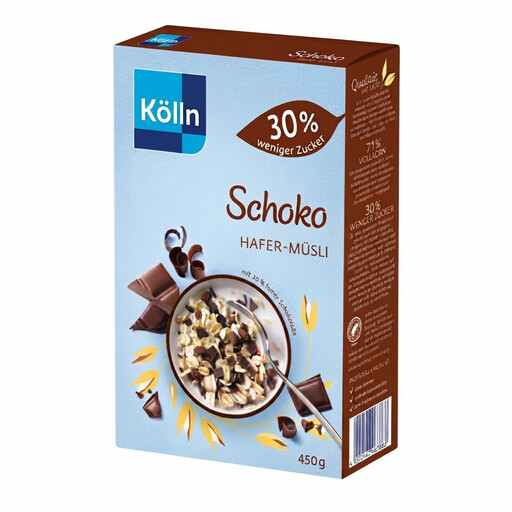
Why This Fits Their Persona: Ideal for those who love a chocolatey taste but want to be mindful of their sugar intake. It offers a great compromise between indulgence and a more balanced nutritional profile.
This muesli bypasses the sugar trap with a clear and verifiable 30% reduction in sugar compared to conventional chocolate mueslis. The sugar content is just 13g per 100g.
High wholegrain oat content (66%) for good satiety. Contains no artificial sweeteners, according to the manufacturer.
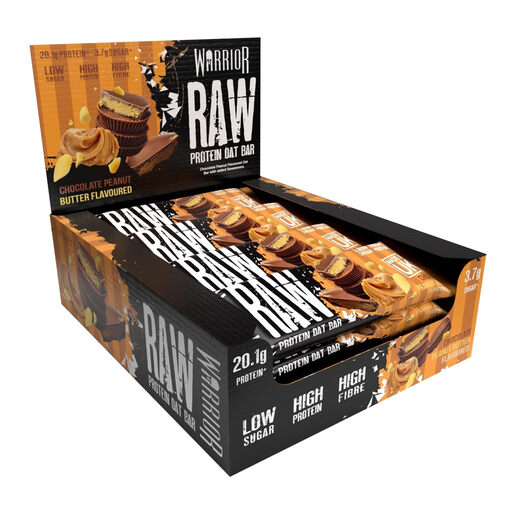
Why This Fits Their Persona: This oat protein bar is a convenient alternative to a bowl and spoon. It delivers a high dose of protein to support muscle growth and recovery after a workout.
It avoids the 'empty calorie' trap by providing a functional benefit. With only 3.5g of sugar per bar and 20g of protein, its nutritional profile is clearly tailored to athletic goals.
Very high protein content (20g per bar) from milk protein. High in fibre and convenient for on-the-go.
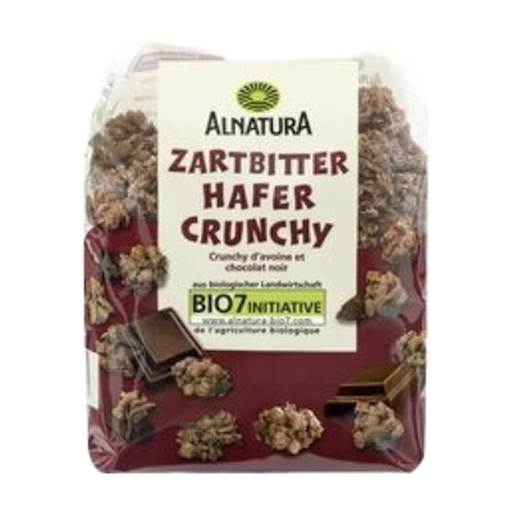
Why This Fits Their Persona: Perfect for shoppers who value certified organic ingredients and an intense, dark chocolate flavour. This organic chocolate muesli is made with dark chocolate and without unnecessary additives.
It avoids the trap of vague quality claims by using ingredients from organic farming. The ingredient list is transparent, and the use of dark chocolate provides a less sweet taste.
Ingredients from organic farming. High wholegrain oat content (66%) and a rich cocoa flavour.
We have compiled a complete, up-to-date list of products that fully meet these strict selection criteria and standards.
The main difference lies in the preparation and texture. Chocolate muesli is a ready-to-eat mix of cereal flakes (often oats with chocolate), nuts, and dried fruit, which is eaten cold with milk or yogurt. Chocolate porridge (oatmeal), on the other hand, is made from oat flakes that are cooked or steeped with hot liquid (water or milk), resulting in a warm, creamy meal. An example of this is the Dr. Oetker Vitalis Chocolate Porridge.
The most reliable way is to check the nutrition facts panel. Compare the value for "Carbohydrates, of which sugars" per 100g. Products with under 15g of sugar per 100g can be considered reduced-sugar. Also, make sure that sugar or syrup is not listed near the top of the ingredients list.
Yes, it can. Specifically look for a protein chocolate muesli. These products are often fortified with additional protein sources like milk protein, soy crispies, or a higher nut content. A protein content of over 15g per 100g is a good indicator. Such mueslis are well-suited for supplementing protein intake, especially for active individuals.