
Lieferung heute & morgen

Qualitätsgarantie

Willkommens-Angebote freischalten: KOSTENLOSE Lieferung | Bis zu 80 % RABATT | Kostenlose 30-Tage-JoyPlus-Testphase
App herunterladen
By Joybuy, Your Product Recommendation SpecialistDate: 14 July 2026
We've all been there: you want to cover leftovers from dinner, but the cling film tears uncontrollably, sticks to itself, or won’t adhere to the bowl. Choosing the right kitchen wrap can mean the difference between well-protected food and unnecessary frustration. This guide will help you understand the different types of food wrap and make an informed decision for your home or business. We'll introduce you to various models, from the classic roll to practical alternatives.
Before you decide on a product, several functional aspects should be considered. The right choice depends heavily on your specific needs regarding material, handling, and intended use.
Most commercially available cling films are made of polyethylene (PE). This material is approved for food contact and is flavour-neutral. However, there are differences in composition that affect functionality. Some films are specifically labelled as microwave-safe cling film. These products can withstand higher temperatures but, according to manufacturer instructions, should not come into direct contact with very fatty or sugary foods, as these can become extremely hot. For protecting strong-smelling foods like cheese or fish, multi-layer films that offer a better aroma barrier are ideal.
A common frustration is the awkward process of tearing the film. A high-quality cling film with a dispenser can provide a solution. Many packages have an integrated serrated edge made of cardboard or metal. Even more convenient are dispenser boxes with an automatic roll-stop or a slide cutter, which ensures a clean cut and prevents the film's edge from retracting onto the roll. This not only saves time but also reduces material waste.
Besides the classic household wrap on a roll, there are also alternatives like elastic food covers. These work much like shower caps: an elastic band allows the cover to flexibly adapt to bowls, plates, and other containers. They are particularly practical when you're in a hurry and can be reused depending on the material and level of soiling. They are excellent for covering salads, dough, or prepared dishes.
Based on functionality and user-friendliness, we have compiled a selection of products that cater to different needs.
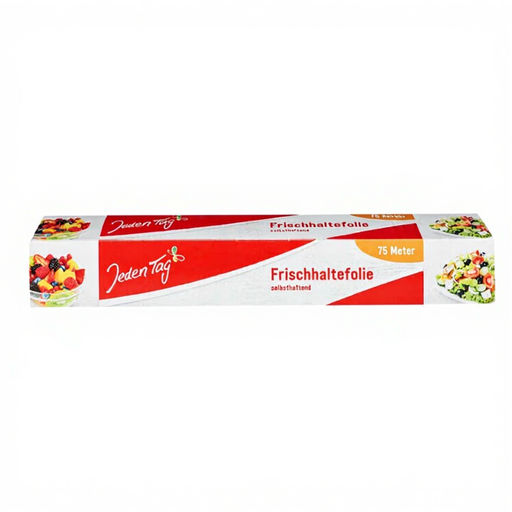
Why it stands out: The Jeden Tag Cling Film is a solid, everyday product for daily use. With a length of 75 metres, it offers excellent value for money and is designed for continuous use in a family kitchen or in catering.
Pros:
Who it's for: This product is ideal for budget-conscious households and professional users who have a high consumption of cling film and are looking for a reliable, standard product.
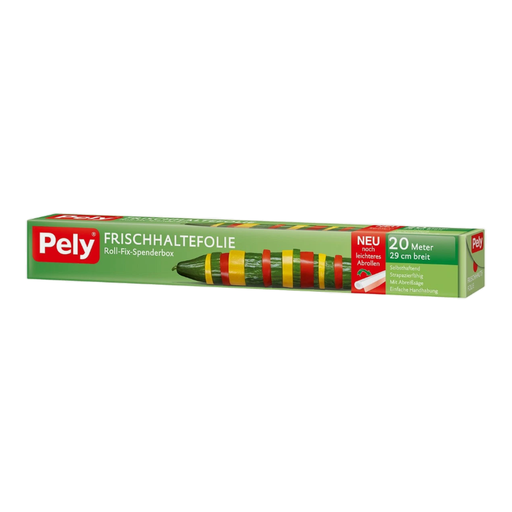
Why it stands out: The Pely Roll-Fix Cling Film solves a common problem: searching for the start of the roll. The patented Roll-Fix system ensures that the edge is automatically held in an easy-to-grab position after tearing.
Pros:
Who it's for: Perfect for anyone who values convenience and no longer wants to be annoyed by tangled or lost film ends. The 20-metre roll is well-suited for average household needs.
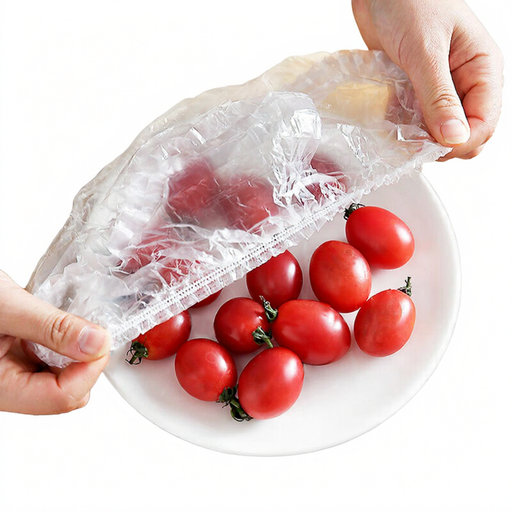
Why it stands out: The BJ Cling Film Set is a flexible alternative to the classic roll. It consists of 200 elastic food covers that universally adapt to various bowl sizes.
Pros:
Who it's for: Ideal for users looking for a quick and hassle-free solution. Especially practical for buffets, picnics, or households where bowls and plates are frequently covered.
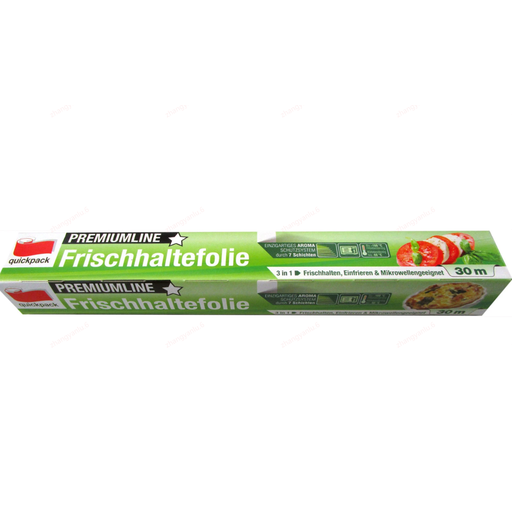
Why it stands out: The Quickpack Premiumline Cling Film is a high-performance product for demanding tasks. Its unique 7-layer technology provides superior aroma protection and makes it extremely durable.
Pros:
Who it's for: For demanding home cooks and professional users who want to freeze food, heat it in the microwave, or store strong-smelling dishes.
Haven't found the right product for your needs yet? There is a wide variety of other food storage solutions, from special freezer bags to reusable containers.
? Explore our entire range in the Plastic Kitchenware category
Some cling films are labelled as microwave-safe. Pay attention to the manufacturer's instructions on the packaging. Generally, the film should not directly touch the food, especially with high-fat and high-sugar items. It is recommended to leave a corner slightly open to allow steam to escape. Products like the Quickpack Premiumline are explicitly designed for microwave use up to a specific temperature.
Cling film made of PE generally belongs in the recycling bin. It should be as free as possible from coarse food residues to avoid disrupting the recycling process. Please observe your local community's disposal regulations.
In the past, cling film was often made from PVC (polyvinyl chloride), which contained plasticisers. Today, most films intended for private use are made of PE (polyethylene), as this material is considered safer for direct contact with food, especially fatty foods. PE films are typically slightly less stretchy than PVC films but offer a safe and reliable solution for everyday use.