
Same-day & Next-day Delivery

Quality Guaranteed

Unlock Your Welcome Offers: FREE Delivery | Up to 80% OFF | Free 30-day JoyPlus trial
Download the APP
The variety of coconut products on store shelves can be overwhelming. From refreshing coconut water and creamy cooking ingredients to exotic snacks, the selection is vast. However, not every product advertised with tropical imagery delivers on its promise. As your Joybuy Product Recommendation Officer, I'm here to help you separate the wheat from the chaff and find products that meet your expectations. In this guide, we'll highlight common pitfalls and show you which criteria to focus on when buying coconut products.
Before we get to the recommendations, it's important to understand the typical issues that can lead to disappointment.
To ensure you find the right product for your needs, you should pay attention to three core parameters.
The most important information is always on the ingredients list. The order of the ingredients indicates which is most prevalent.
The processing method and added substances determine the taste, nutritional value, and application.
Not all coconut products are the same. Consider what you want to use the product for.
Here are some product suggestions tailored to different needs and preferences.
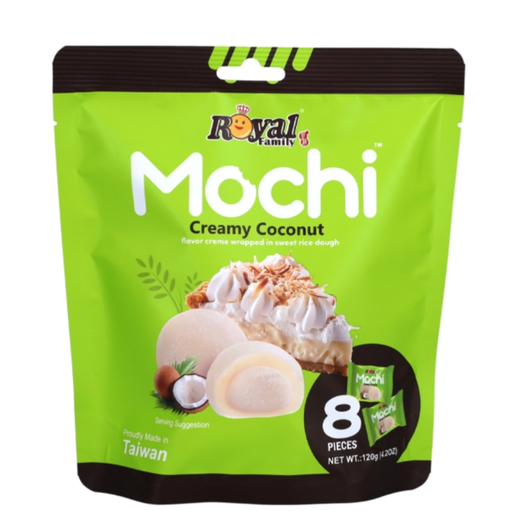
Why This Fits Their Persona: Ideal for anyone looking for a straightforward, sweet snack with an authentic Asian character. The soft, sticky rice cake shell and creamy filling offer a unique textural experience that can be enjoyed straight from the pack.
The product is clearly positioned as a confection. The ingredients list is transparent, stating the proportion of the glutinous rice shell (75%) and the creamy filling (25%), so no false expectations are set.
Authentic mochi texture; ready-to-eat and convenient for on-the-go; creamy coconut filling.
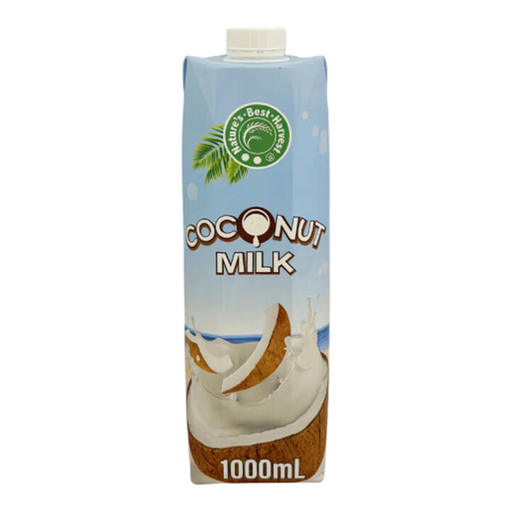
Why This Fits Their Persona: Perfect for home cooks who value a creamy and rich base for their Asian curries, soups, or stews. The 1-litre pack is convenient for stocking the pantry.
This product avoids the "dilution trap" with a clearly declared, high coconut extract content of 68%. The ingredients list is short and focuses on the essentials: coconut extract, water, and an emulsifier.
High coconut extract content (68%) for a rich consistency; versatile for cooking and baking.
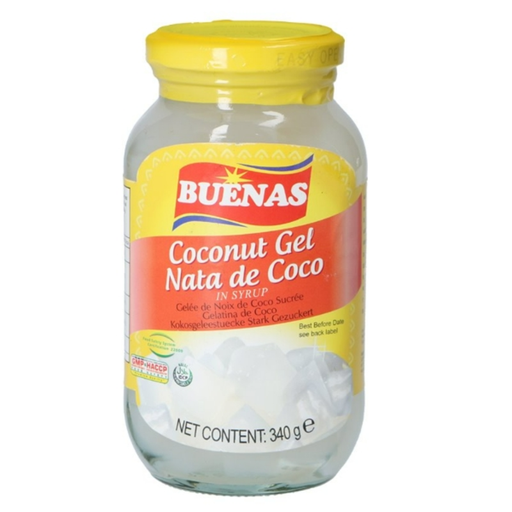
Why This Fits Their Persona: For adventurous foodies who want to add a special, chewy texture to their desserts, fruit salads, or drinks like bubble tea. Nata de Coco is an authentic ingredient in Southeast Asian cuisine.
This product is a speciality and is sold transparently for what it is: coconut gel in syrup. The ingredients list is simple and clear (coconut gel, water, sugar, acidulant), so there are no misconceptions.
Unique, chewy texture; versatile for desserts and drinks; authentic ingredient from the Philippines.
We have compiled a complete, up-to-date list of products that fully meet these strict selection criteria and UK regulations.
1. How do I recognise high-quality coconut oil? High-quality, virgin coconut oil has a distinct, fresh coconut scent and flavour. It should be solid and white at temperatures below approximately 24°C (76°F). Look for terms like "virgin," "cold-pressed," and ideally an organic seal, which confirms cultivation without chemical pesticides. Sourcing from sustainable origins can also be a mark of quality.
2. What is the difference between coconut water and coconut milk?Coconut water is the clear, slightly sweet liquid from the inside of young, green coconuts. It is naturally low in fat. Coconut milk, on the other hand, is made from the pressed white flesh of ripe, brown coconuts. It is significantly richer, creamier, and has a high fat content, which is why it is primarily used for cooking.
3. How do I properly store opened coconut products? Opened liquid products like coconut milk or coconut water should be transferred to an airtight, non-metallic container, stored in the refrigerator, and consumed within a few days (usually 3-5). Solid coconut oil should be stored in a cool, dry place; refrigeration is possible but not necessary. Dry products like desiccated coconut or chips should be kept in an airtight container in a cool, dark place to protect them from moisture and rancidity.