
Lieferung heute & morgen

Qualitätsgarantie

Willkommens-Angebote freischalten: KOSTENLOSE Lieferung | Bis zu 80 % RABATT | Kostenlose 30-Tage-JoyPlus-Testphase
App herunterladen
When it comes to car care and car cleaning, advertised performance alone doesn’t determine how useful a product will be in practice. A device may boast impressive figures on paper but still be awkward to use day to day, have a short run time or damage delicate surfaces. That’s why car owners, garages and homeowners should consider the conditions in which they’ll actually use it.
A pressure washer for cars should remove dirt without putting unnecessary strain on paintwork, seals or delicate plastic parts. Figures such as 180 or 200 bar often refer to the maximum pressure, not necessarily the pressure delivered continuously during use. Adjustable spray settings, the distance from the surface and the right nozzle are therefore what matter.
When washing your car, start with a wide, less concentrated spray. Never direct a concentrated jet straight at paintwork, tyre sidewalls, seals or electrical components.
A cordless pressure washer can be used away from mains sockets. However, actual run time depends on the pressure setting, water supply, temperature and battery capacity. Before buying, check:
Two batteries can reduce interruptions during longer jobs on cars, patios and garden areas. However, a longer run time is no substitute for the right nozzle and a controlled approach.
A large car cleaning kit may look appealing if it includes brushes, cloths, pads and nozzles. What matters, though, is whether the components are right for the job you have in mind. Hard-bristled brushes for wheels shouldn’t be used on delicate paintwork. Microfibre materials should be kept clean and free of coarse particles to avoid leaving extra marks when wiping.
For outdoor cleaning, a choice of spray patterns comes in handy. A concentrated jet is suitable for robust, heavily soiled areas, while a flat fan spray wets larger surfaces more evenly. A foam nozzle helps with pre-washing, but it doesn’t replace a thorough rinse afterwards.
A swivelling head, such as one with 180° adjustment, makes it easier to reach wheel arches, underbody areas and awkward corners. When using it on a vehicle, keep the spray under control and don’t direct it at delicate areas from close range.
Choose car cleaning brushes to suit the job:
A wheel brush should be long enough to reach between the spokes without the handle touching the surface. Using separate brushes for the interior and exterior helps prevent sand and brake dust from being transferred to delicate surfaces.
A car polishing machine with an adjustable speed is easier to match to the condition of your paintwork and the product you’re using than one with a single speed. For beginners, controlled orbital movements are often easier to manage than concentrated rotary movements.
When choosing a cordless polishing machine, look for:
Apply paint sealant only to clean, dry, grease-free paintwork. It’s a good idea to test it on a small area first. When using a headlight polish, follow the manufacturer’s instructions. Product descriptions may promise to improve the appearance of headlights, but that doesn’t establish whether they’re roadworthy or guarantee a lasting improvement in light output.
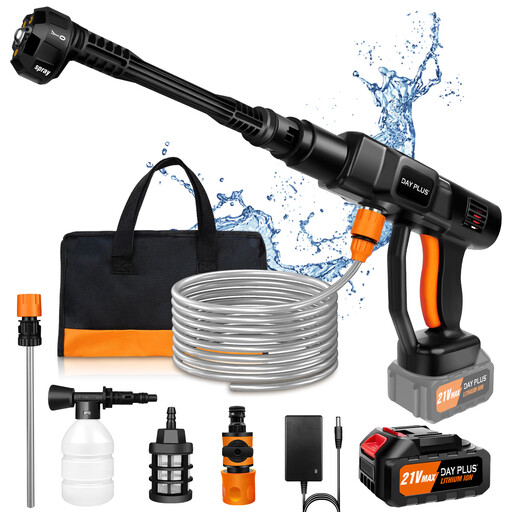
Why it suits this type of user: The cordless design offers flexibility for occasional car washing, bicycles, garden furniture and smaller outdoor areas.
The 6-in-1 nozzle lets you adjust the spray pattern. The 5-metre hose gives you more room to work without having to move the unit so often.
Cordless operation, a 180° swivelling nozzle and a choice of water spray patterns.
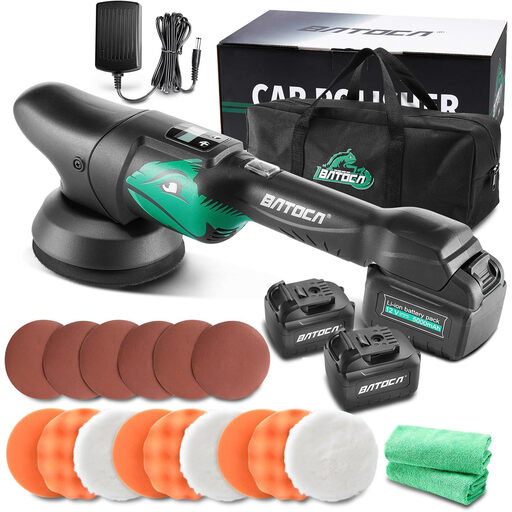
Why it suits this type of user: A good fit for anyone looking for speed control, spare battery capacity and a clear display when caring for their paintwork.
The stated range of 2,000 to 4,500 rpm and six settings allow you to work at different speeds instead of being locked into one.
LCD display, two 5-Ah batteries and a 125-mm backing plate, according to the product details.
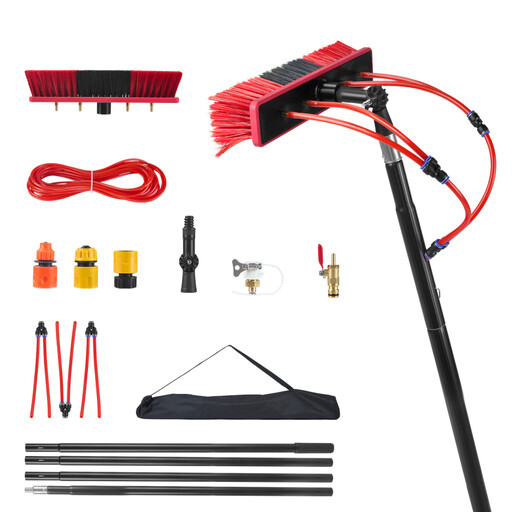
Why it suits this type of user: The extended reach is especially useful for cleaning tall vehicles, windows, solar panels, patios and pool areas without a ladder.
The telescopic pole extends from 1.25 to 4 metres. The integrated hose means fewer loose cables and less need to move the set-up around.
20-metre hose, 180° adjustable brush head and four integrated water jets.

Why it suits this type of user: The set includes different components for interior cleaning, wheel care and drying painted surfaces.
Separate brushes for delicate interior areas and robust exterior surfaces help you tackle different types of dirt separately.
13 components, including a 42-cm wheel brush, detail brushes and a microfibre cloth.
We’ve put together a complete, regularly updated list of products that meet these strict selection criteria and the safety regulations applicable in the EU.
When cleaning the interior, use very little moisture around electronics, displays and air vents. When cleaning patios, garden furniture or vehicles outdoors, also check that the material and surface finish can withstand the water jet.
A cordless pressure washer may be suitable for washing on the go, tackling light to moderate dirt and cleaning areas without a mains socket. For larger surfaces or longer jobs, battery capacity, a spare battery and the water supply are all important. For stubborn dirt, plan to pre-treat the surface with a suitable cleaning product as well.
It depends on the condition of the paintwork, how the car is used and what you want to achieve. Depending on the method, polishing removes some material, so it shouldn’t be done routinely without a reason. For regular care, gentle washing, clean cloths and a suitable sealant are usually more important than frequent polishing.
Running costs mainly come from electricity or charging the battery, water, cleaning products and wear parts. For corded models, power consumption in watts and how long you use the machine are relevant. With cordless models, you’ll also need to consider charging cycles and, where necessary, replacement batteries. Before you buy, compare the manufacturer’s figures for water flow and power with the tasks you plan to use it for.