
Lieferung heute & morgen

Qualitätsgarantie

Willkommens-Angebote freischalten: KOSTENLOSE Lieferung | Bis zu 80 % RABATT | Kostenlose 30-Tage-JoyPlus-Testphase
App herunterladen
A cordless rotary multi-tool can handle drilling, sanding, polishing, engraving, carving and light cutting. But with compact tools, marketing claims can easily lead to the wrong purchase. A high speed alone says little about how suitable a tool really is. The key factors include collet size, accessory quality, speed control, battery capacity and the jobs you plan to tackle.
This guide is for DIYers, model makers, 3D printing enthusiasts, crafters, and jewellery and decorative item makers. It explains what to look for before you buy and which tool may suit your needs.
Figures such as 25,000 rpm may sound impressive at first. But for polishing or fine engraving, it’s just as important to be able to reduce the speed in a controlled way. A tool without adequate speed control can overheat delicate workpieces or remove too much material when you start working.
Look for clearly defined speed settings or variable speed control. A mini rotary tool with a low-speed setting, for example, is generally better suited to plastic, wood or fine model-making jobs than a tool designed solely for maximum speed.
A multi-tool set with lots of parts can be useful, provided the attachments fit the collet and are suitable for the material you’re working with. Before buying, check:
According to the product details, the Fanttik F2 Master has a collet for accessories with a 3/32 inch or 2.3 mm shank. Attachments with a different shank size aren’t automatically compatible.
A built-in battery makes the tool portable, but limits its running time. A compact tool is often enough for short crafting jobs. For longer sanding or polishing sessions, however, check the charging time, charge indicator and whether a spare battery is available.
A USB-C charger or USB-C port makes it easier to charge at home or on the go. Even so, check whether the package includes just the cable or a power adaptor as well.
For engraving, model making and finishing 3D prints, a range of precise speed settings is useful. A lower setting helps you work with control, while higher speeds can be used for polishing or removing material quickly.
A brushless motor may have less brush wear by design. The Fanttik F2 Master is listed as having a brushless coreless motor, which, according to the product description, is intended to reduce noise compared with standard motors. Treat this as manufacturer information; it isn’t a substitute for measuring the noise yourself.
A tool-free collet system saves time when changing attachments. It’s important that the attachment is held securely and doesn’t loosen during use. For precise work, accessories should have as little play as possible.
A graver or mini drill with a compact design is often easier to handle on small workpieces than a larger tool. Also check whether the attachments are intended for metal, wood, plastic or other materials. A grinding accessory for metal isn’t automatically suitable for glass or ceramic.
A cordless rotary tool is usually much lighter than a cordless angle grinder. It’s suitable for delicate jobs, but isn’t in the same class when it comes to large metal surfaces, stone or extensive cutting work.
A cordless angle grinder with a 125 mm disc is designed for heavy-duty sanding, cutting and rust removal. It takes up more space, makes more noise and requires consistent use of protective equipment. Before buying, also check whether the battery and charger are included.
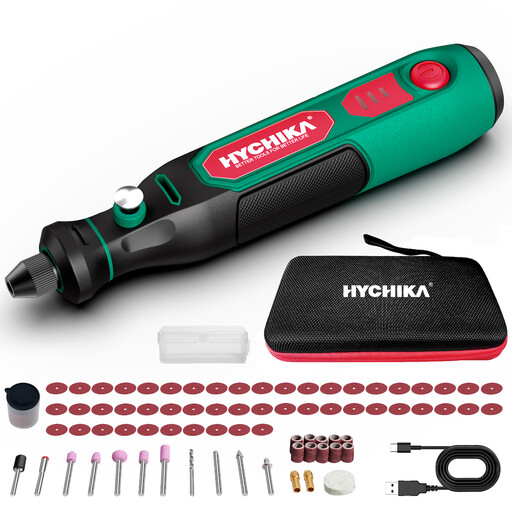
Why it suits this user: This set is aimed at beginners looking for a compact DIY tool for repairs, decoration, jewellery, models and light drilling.
The three speed ranges, listed in the product details as 5,000–8,000, 10,000–12,000 and up to 15,000 rpm, mean you’re not limited to maximum speed. The set includes 77 accessories.
3.6 V battery, USB-C charging cable, 77 accessories, storage bag and a stated weight of 250 g.
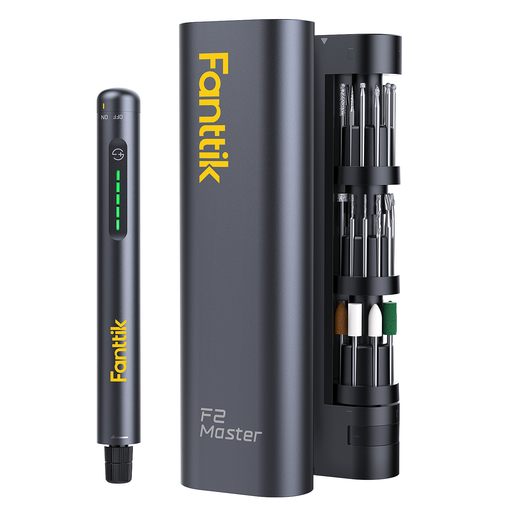
Why it suits this user: Its compact design is made for precision jobs such as finishing 3D prints, engraving, polishing and fine sanding.
Five adjustable speed settings let you tailor the tool to the job. The stated 2.3 mm accessory capacity makes it easy to check compatibility.
Up to 25,000 rpm according to the product details, 35 accessories, a magnetic 360-degree stand, USB-C charging and a stated weight of around 100 g.
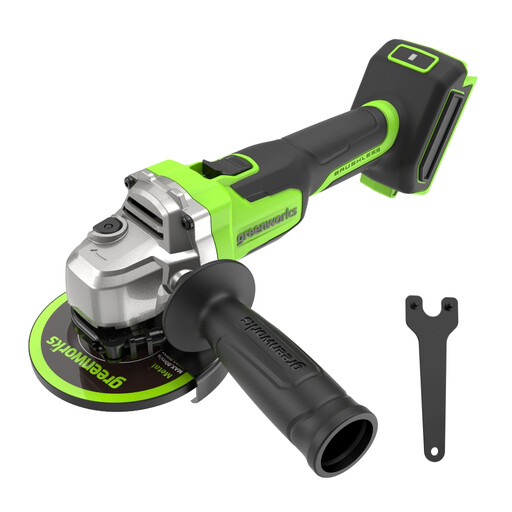
Why it suits this user: This cordless angle grinder is designed for metal and stone surfaces, rust removal, cutting and heavier sanding, rather than fine engraving.
The product details clearly state that it takes 125 mm discs and that the battery and charger aren’t included. This helps you plan for the actual package contents before buying.
Brushless motor, aluminium gearbox, up to 8,500 rpm according to the product details and a two-position handle. The battery and charger need to be purchased separately.
We’ve put together a complete, regularly updated list of products that meet these strict selection criteria and fully comply with the safety regulations applicable in the EU.
For any tool with rotating attachments, safety glasses and a secure way to hold the workpiece should be essential. When using a cordless angle grinder, you’ll also need hearing protection, suitable gloves and a correctly fitted disc guard. Only change attachments once the battery has been removed or the power supply has been disconnected.
Ongoing costs depend mainly on accessory wear, battery life and the availability of suitable replacement parts. A large accessory set means you won’t need to buy extra attachments straight away, but it may include parts you never use. If you plan to use the tool regularly, a set with readily available replacements is a better choice than one with the highest possible number of pieces.
Yes, provided it includes suitable sanding and polishing attachments and offers precise speed control. When working on delicate plastic parts, start at a low speed and apply light pressure. The accessories need to match the collet system, for example 2.3 mm.
Run time depends on speed, material, pressure and battery condition, so there’s no single figure that applies to every situation. A charge indicator, USB-C port and clearly stated charging time make it easier to plan your work. Longer jobs may require a second tool or a break to recharge.
A cordless angle grinder is the right choice for working on metal, stone or larger surfaces. For engraving, model making, jewellery making and precision drilling, a mini rotary tool is easier to handle and control. Choose your tool based on the material, disc size and job at hand.