A larger pack of cornflakes can work for someone with diabetes, as long as the carbohydrates in the portion they actually eat are factored into their personal meal plan. Unsweetened cornflakes can be low in sugar but still high in carbohydrates. So the pack size alone tells you nothing about the right portion or recipe.
Who should take care when choosing?
People planning portions around their diabetes
If you count carbohydrates as part of your personal BE or KE plan, you need the figures per 100 g and the weight of the cornflakes you actually eat. diabetesDE – Deutsche Diabetes-Hilfe explains why carbohydrate counting matters for people with insulin-dependent diabetes.
Shoppers looking for lower-sugar cornflakes
If you’re choosing between unsweetened cornflakes and sweetened cereals, check ‘of which sugars’ separately from total carbohydrates. Product information from EDEKA and Nestlé Cereals Deutschland shows that these figures vary from one recipe to another.
Households stocking up
If you want to shop less often, check the pack size and make sure it suits your household’s usual consumption. Even with a larger pack, the portion you weigh out remains the key figure for carbohydrate planning.
What should you look for when buying?
Start by checking the carbohydrates per portion and the sugar content of the recipe. Then you can decide which pack size is practical for your household.
| Criteria |
What to check when buying |
Who it matters to |
| Carbohydrates per portion |
Use the carbohydrates per 100 g to calculate the amount in the portion you weigh out. If you have insulin-dependent diabetes, follow the BE or KE method agreed for you. |
When I eat cornflakes, the carbohydrates in my bowl need to fit my personal plan. This portion planning is the main consideration for around 42% of shoppers. |
| Sugar in the recipe |
Check ‘of which sugars’ per 100 g and read the ingredients list. Don’t confuse this figure with total carbohydrates. |
I don’t want to assume that sweetened cereals are the same as unsweetened cornflakes just because they contain wholegrain. Lower sugar is the main reason to buy for around 33% of shoppers. |
| Pack size and consumption |
Check that the pack size matches your household’s usual consumption and follow the storage instructions on the pack. |
I want a larger pack that my household will use regularly, without increasing my portion size. This is the main consideration for around 25% of shoppers. |
Common buying misconceptions
-
Assuming unsweetened means low in carbohydrates
According to EDEKA, EDEKA Bio unsweetened cornflakes contain 0.6 g of sugar but 84.6 g of carbohydrates per 100 g. For planning the portion you eat, it’s the total carbohydrate figure that matters.
Check ‘carbohydrates’ and ‘of which sugars’ separately, then calculate the carbohydrates in the amount you’ve weighed out.
-
Overlooking sugar in wholegrain cereals
Nestlé Cereals Deutschland lists 24 g of sugar per 100 g for Cini Minis. Wholegrain content alone doesn’t tell you how much sugar is in a recipe. Oat cereals are not cornflakes, either.
Compare sugar and carbohydrates per 100 g for each type of cereal, and decide on your portion size separately.
-
Assuming a larger pack is automatically a better choice
A larger pack doesn’t change the recipe’s nutritional values or the carbohydrates in a weighed portion. A multipack is only practical if its contents suit your household’s consumption.
Decide on the recipe and portion size first, then choose the pack size.
-
Relying only on product details online
The nutritional information and ingredients list on the pack you’re actually using are what matter. This is especially important if you buy cornflakes regularly and stick to set portion sizes.
Check the information on the pack before buying, and check it again when you stock up.
Brands and product ranges to compare
The packs and types of cereal below can help you compare sugar, carbohydrates and pack sizes. Oat and cinnamon cereals are not cornflakes.
EDEKA Bio
These unsweetened organic cornflakes are a maize flake option, sold in a 375-g pack.
- EDEKA lists 0.6 g of sugar per 100 g.
- At 84.6 g of carbohydrates per 100 g, you still need to account for the amount you eat, even though the sugar content is low.
Seitenbacher
‘Die Knusprigen’ cornflakes are available in a 500-g pack.
- According to Seitenbacher, they contain 3 g of sugar per 100 g.
- The manufacturer also lists 78 g of carbohydrates per 100 g. A larger pack doesn’t remove the need to plan your portion.
Kölln
Vollkorn-Haferfleks Klassik are oat cereals in a 750-g pack, not cornflakes made from maize.
- REWE lists 72% wholegrain oat flour and 7.5 g of fibre per 100 g for this variety.
- At 17 g of sugar per 100 g, this oat option is not a direct substitute if keeping sugar as low as possible is your main priority.
Nestlé Cini Minis
These sweet cinnamon cereals provide a comparison with a different recipe; they are not a type of cornflake.
- Nestlé Cereals Deutschland lists a wholegrain content of 33%.
- The product information also lists 24 g of sugar and 73.4 g of carbohydrates per 100 g.
Kellogg's
REWE stocks Kellogg's Corn Flakes in a 500-g pack.
- This pack size may suit households looking for classic cornflakes in a larger pack.
- If you want to compare sugar content or carbohydrates per portion, check the nutritional information on the specific pack.
Cornflakes available at Joybuy
This selection includes unsweetened cornflakes in a 300-g pack and classic cornflakes in a 500-g pack. Compare the nutritional information on each pack and choose a size that suits your household’s consumption.
 Image unavailable
Alnatura organic unsweetened cornflakes, 300 g
For shoppers looking for unsweetened cornflakes who want to weigh out their own portion.
Pack size: 300 g. Check the carbohydrates on the pack for the amount you eat. ‘Unsweetened’ doesn’t mean low in carbohydrates.
View at Joybuy
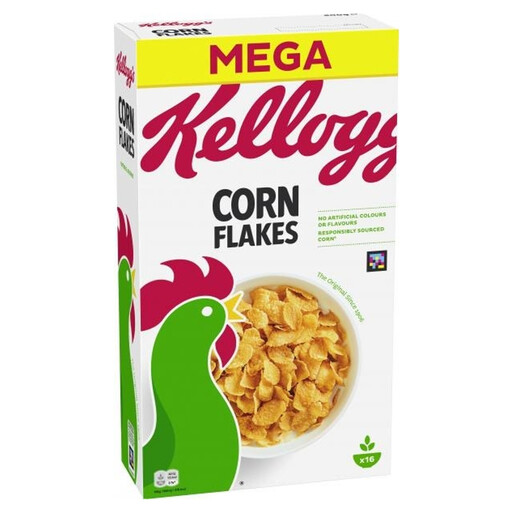 Image unavailable
Kellogg's The Original Corn Flakes, 500 g
For households looking for classic cornflakes in a 500-g pack, with the freedom to choose their own portion size.
Pack size: 500 g. If keeping sugar low is important to you, compare ‘of which sugars’, the ingredients list and total carbohydrates on the pack.
View at Joybuy
Frequently asked questions
Are unsweetened cornflakes automatically suitable for people with diabetes?
No. ‘Unsweetened’ doesn’t tell you whether the portion you eat fits your personal carbohydrate plan. EDEKA lists 0.6 g of sugar but 84.6 g of carbohydrates per 100 g for its unsweetened organic cornflakes.
How do I include a portion of cornflakes in my BE or KE plan?
Check the carbohydrates per 100 g on the pack and calculate the amount in the portion you’ve weighed out. The BE or KE method you use for insulin-dependent diabetes depends on your personal training and treatment plan. diabetesDE – Deutsche Diabetes-Hilfe explains why this calculation matters.
Is a larger pack of cornflakes a better choice if you have diabetes?
Not simply because it’s larger. A larger pack may suit your household’s consumption, but the recipe and carbohydrates in the portion you actually eat remain just as important as they are with a smaller pack.
Do I have to give up cornflakes altogether if I have diabetes?
There’s no single answer that’s right for everyone with diabetes. What matters is the specific recipe, the amount you eat, and your personal diet and treatment plan. For individual advice about portions or treatment, speak to your healthcare team or diabetes adviser.


