
Lieferung heute & morgen

Qualitätsgarantie

Willkommens-Angebote freischalten: KOSTENLOSE Lieferung | Bis zu 80 % RABATT | Kostenlose 30-Tage-JoyPlus-Testphase
App herunterladen
A high-quality pair of cycling glasses is more than just a fashion accessory. It protects your eyes from UV radiation, wind, insects, and airborne debris. However, the market is flooded with models making grandiose marketing claims that often fail to deliver in practice. Many cyclists invest in expensive glasses only to find they pinch, are useless in changing light conditions, or show defects after a short time.
This guide will help you navigate the common pitfalls and make an informed decision. We focus on the objective criteria that define a good pair of cycling glasses, so you can find a model that truly fits your needs.
Before we dive into the technical details, let's look at the most common reasons for a bad purchase.
To avoid these traps, you should focus on three core aspects that determine the quality and functionality of cycling glasses.
Choosing the right lenses is crucial for clear vision and safety. The two most common technologies for sports sunglasses are polarization and photochromism.
A pair of lightweight sports glasses significantly increases comfort on long rides. The frame material plays a central role here.
Two often underestimated but essential features are UV protection and a secure fit.
Based on the criteria mentioned, we have identified some models that represent a considered choice for specific requirement profiles.
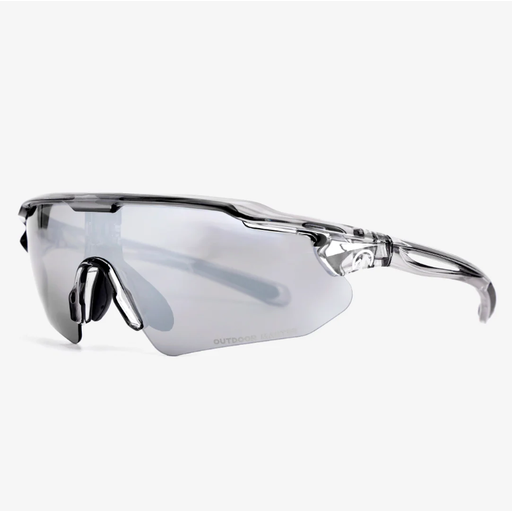
Why This Fits Their Persona: Ideal for riders who are on trails and constantly switch between sunny sections and shaded forest paths. The glasses adjust automatically while also reducing glare from wet roots or rocks.
Combines two advanced technologies (photochromic and polarization) meaningfully, instead of just advertising a single superfluous feature. The adjustable nose pads avoid the "one-size-fits-all" trap.
Photochromic and polarized lenses for maximum flexibility. Lightweight TR90 frame (approx. 26-29 g) for high comfort.
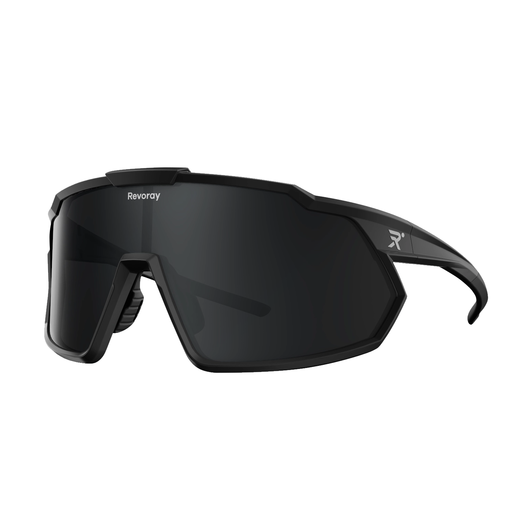
Why This Fits Their Persona: Designed for long rides on the road, where low weight, aerodynamic shape, and reliable anti-glare protection are paramount. The polarized lenses reduce eye fatigue in strong sunlight.
Focuses on one core function (polarization) and optimizes it for road use. The robust TR90 frame and ANSI Z87.1 certified impact resistance avoid the trap of subpar materials.
HD TAC polarized lenses to reduce glare. Ultra-light design (approx. 33 g) and adjustable silicone nose pads for a stable fit.
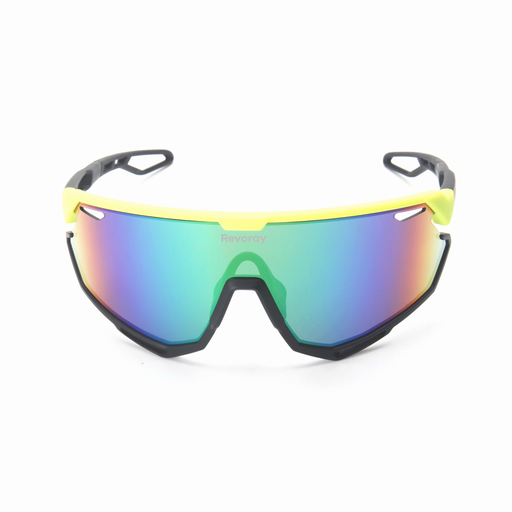
Why This Fits Their Persona: A solid choice for commuters and recreational cyclists looking for reliable basic protection for their eyes and face without investing in specialized lens technologies.
Forgoes expensive extra features and focuses on the essentials: impact resistance and UV protection. The flexible TR90 frame offers better durability and fit than standard plastic frames in this price range.
Impact-resistant PC lenses with a large field of view. Complete UV400 protection and a very low weight of approx. 30 g.
We have compiled a complete, up-to-date list of products that fully meet these strict selection criteria and safety regulations.
First, rinse the glasses under lukewarm, running water to remove coarse dirt particles. Then, use a special lens cleaning cloth or a soft microfiber cloth to gently wipe the lenses dry. Avoid aggressive cleaning agents, alcohol, or paper towels, as these can scratch or strip the delicate coatings (e.g., anti-fog or mirrored finishes).
As a rule, self-tinting lenses do not work, or work only to a very limited extent, inside a car. The reason is that the tint is activated by UV radiation. However, modern windshields already filter out most of the UV radiation, so the lenses do not darken sufficiently. For driving, polarized sunglasses are often the better choice.
The "UV400" label indicates that the lenses block ultraviolet rays up to a wavelength of 400 nanometers. This includes both UVA and UVB rays, which can be harmful to the eyes. Glasses with UV400 protection thus offer complete protection from the sun's invisible UV radiation and are an indispensable feature for any sports and sunglasses.