
Lieferung heute & morgen

Qualitätsgarantie

Willkommens-Angebote freischalten: KOSTENLOSE Lieferung | Bis zu 80 % RABATT | Kostenlose 30-Tage-JoyPlus-Testphase
App herunterladen
For many, pigmentation spots, also known as hyperpigmentation, are a cosmetic concern. The market offers an overwhelming array of products promising quick fixes. However, not every cream delivers on its promise. Making the wrong product choice not only leads to disappointment but can also be an unnecessary drain on your wallet. This guide will help you understand the crucial factors and make an informed decision.
Before we turn to effective solutions, it's important to recognise the most common marketing traps that often lead to unsatisfactory results.
To make a well-founded decision, you should focus on proven product features and active ingredient mechanisms rather than on advertising claims.
A single substance is rarely the sole solution. Effective formulations often combine several active ingredients that target different stages of pigment formation. Look for the following ingredients:
Every skincare routine for treating pigmentation spots must include daily sun protection. A day cream with an integrated broad-spectrum SPF of at least 30 is a convenient solution. It protects not only against UVB rays (which cause sunburn) but also against UVA rays, which penetrate deep into the skin and stimulate pigmentation. A dedicated sunscreen for pigmentation spots is the foundation for long-term success in being able to remove age spots or prevent their formation.
The choice between a cream and a serum depends on your skin's needs.
For comprehensive care, a serum can be applied under a day or night cream.
Choosing the right product heavily depends on individual needs and lifestyle. Here are some options tailored to specific user profiles.
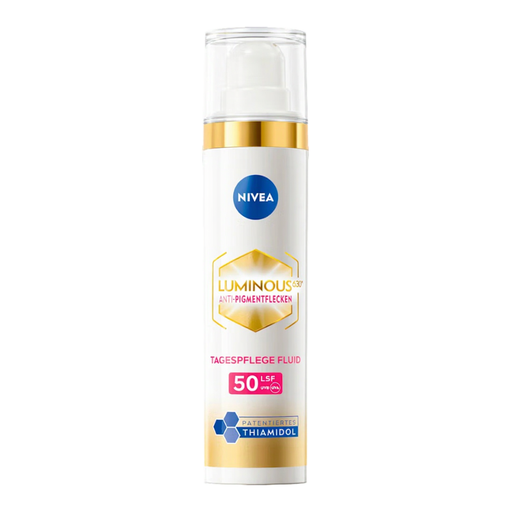
Why This Fits Their Persona: Ideal for users seeking a straightforward all-in-one solution for the morning. This fluid combines dark spot treatment with very high sun protection, making it an efficient addition to any daily skincare routine.
It directly addresses the pitfall of inadequate protection by combining the active ingredient Thiamidol with a high SPF 50. This actively prevents the formation of new spots caused by UV radiation.
Combines the patented active ingredient Thiamidol with high UV protection. The lightweight texture is suitable for all skin types and provides moisture thanks to hyaluronic acid.
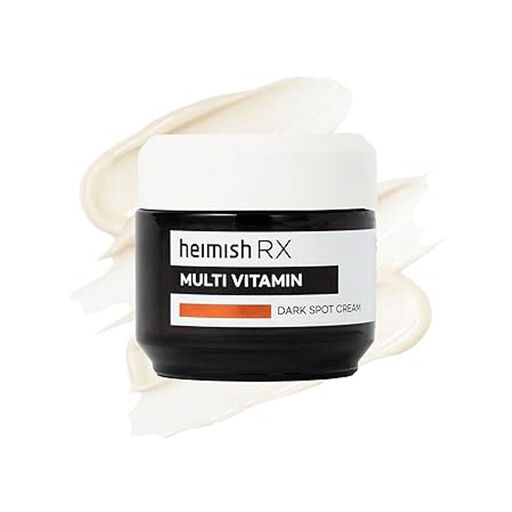
Why This Fits Their Persona: Suitable for users specifically looking for proven brightening ingredients who prefer to build their own skincare routine. This cream focuses on correction and can be combined with a separate sunscreen.
This product relies on a transparent combination of active ingredients rather than vague promises. It combines 5% Niacinamide with Vitamin C, thus avoiding the trap of relying on a single, overhyped ingredient.
Formulated with a potent concentration of 5% Niacinamide and Vitamin C from Kakadu Plum extract. The non-irritating formula is also suitable for sensitive skin.
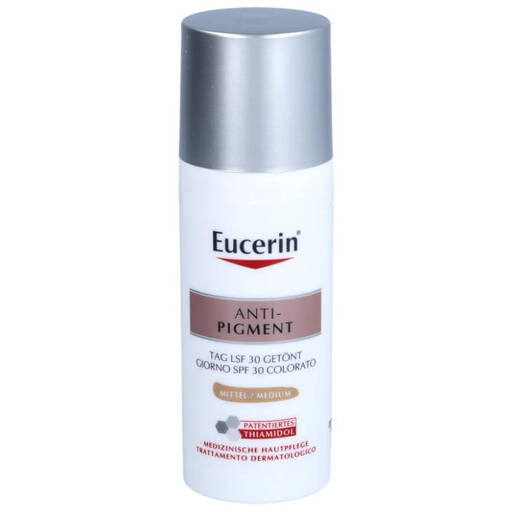
Why This Fits Their Persona: Perfect for individuals who want an immediate visual improvement in their skin's appearance while the active ingredients work long-term. The tinted formula evens out the complexion and conceals spots.
This product avoids the "instant miracle" trap by clearly distinguishing between cosmetic coverage and long-term effects. It offers an honest 2-in-1 solution: immediate concealment and sustainable treatment.
Contains the active ingredient Thiamidol to reduce hyperpigmentation, offers daily protection with SPF 30, and provides an instantly more even complexion thanks to its tint.
We have compiled a complete, up-to-date list of products that fully meet these strict selection criteria and all applicable safety regulations.
1. How long does it take for a dark spot corrector cream to work? The visible reduction of dark spots is a gradual process. While some manufacturers report initial visible results after two to four weeks, significant brightening typically requires consistent use over several months. Patience and continuous application, especially in combination with daily sun protection, are crucial for success.
2. Can I combine a serum for dark spots with my regular day cream? Yes, this is a highly recommended method. Apply the serum for dark spots to clean, dry skin and allow it to absorb briefly. Afterwards, you can apply your usual moisturiser or day cream. Make sure your day cream contains an SPF of at least 30, or use a separate sunscreen in addition.
3. Is it safe to use products with Thiamidol? Yes, Thiamidol is a dermatologically tested active ingredient. Products containing this ingredient, such as those from Eucerin or NIVEA, are tested for skin compatibility. However, it is important to follow the manufacturer's application instructions. For example, it is often recommended not to apply products with Thiamidol more than four times a day to ensure optimal tolerance.