
Lieferung heute & morgen

Qualitätsgarantie

Willkommens-Angebote freischalten: KOSTENLOSE Lieferung | Bis zu 80 % RABATT | Kostenlose 30-Tage-JoyPlus-Testphase
App herunterladen
A digital torque wrench is indispensable for precision work on vehicles and machinery. However, the market is flooded with models whose performance claims often don't match reality. Improperly tightened bolts can lead to material damage or safety hazards. This guide will help you identify the crucial features and avoid common purchasing pitfalls, ensuring your investment pays off in the long run.
Many users invest in an electronic torque wrench expecting superior precision, only to be disappointed by hidden flaws. Pay close attention to these three points:
To avoid a bad purchase, you should focus on objective, technical specifications. These three parameters are decisive for the performance and durability of your tool.
The most important decision when buying a torque wrench is choosing the right torque range and drive size for your intended application.
Precision is the main reason for purchasing a digital torque wrench. A specified accuracy of ±2% clockwise is considered the professional standard. Equally important is how reaching the target value is signalled. A torque wrench with a digital display should also feature a multi-modal alert system:
This combination ensures you perceive the signal under all working conditions—whether in a loud workshop or a poorly lit area.
Modern digital torque wrenches offer features that significantly streamline the workflow. Look for the following modes:
Based on the criteria above, we have compiled a selection of tools for different requirements.
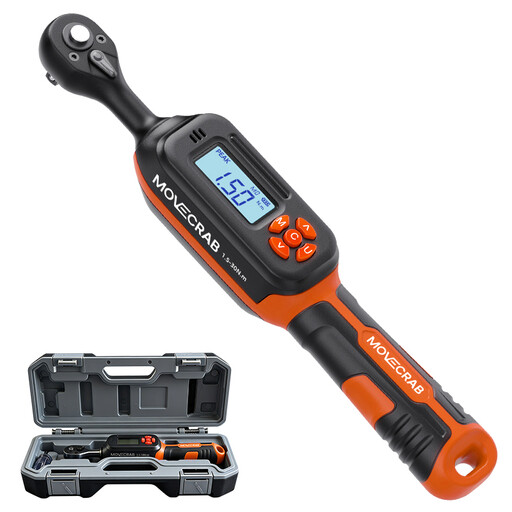
Why It's a Match: Ideal for bicycle mechanics and DIY enthusiasts working on sensitive carbon or aluminium parts. The low torque range of 1-20 Nm covers most specifications for stems, seat posts, and components.
The triple alert system (vibration, sound, LED) ensures the target torque is not missed, even during delicate tasks. The specified ±2% accuracy prevents over-tightening of expensive components.
10 memory presets and Peak/Track modes speed up repetitive tasks. Its compact design is perfect for working in tight spaces.
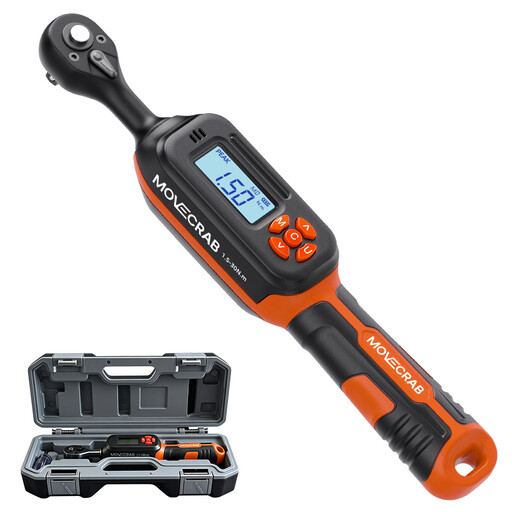
Why It's a Match: A versatile tool for ambitious home mechanics and professional auto technicians. The 4.2-85 Nm torque range covers a wide variety of jobs on engines, brakes, and suspension for cars and motorcycles.
The clear digital display with unit conversion (Nm, ft.lb, etc.) and the preset function counteract the pitfall of clunky operation. The ergonomic grip ensures control during extended use.
The 3/8-inch drive offers a great balance of compactness and durability. The triple alert system is reliable even in loud workshops.
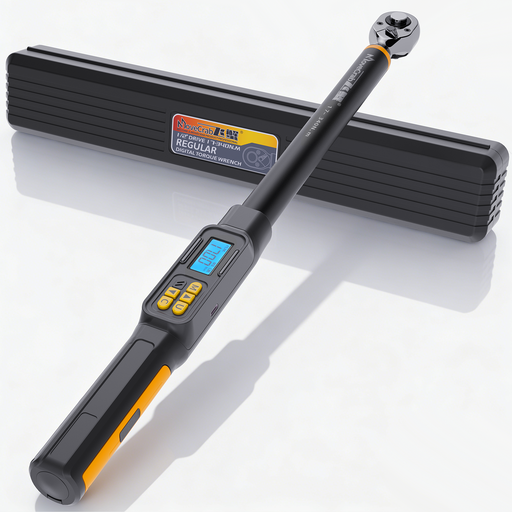
Why It's a Match: Designed for high-stress applications like wheel changes on cars and light commercial vehicles, as well as work on chassis and frame components. The 1/2-inch drive and high torque range are built for these tasks.
This tool combines high force with ±2% accuracy. This prevents the dangerous under-tightening of safety-critical bolts and avoids the pitfall of inaccurate high-capacity wrenches.
The wide torque range up to 340 Nm makes it a specialist for heavy-duty tasks where mechanical wrenches often become inaccurate. The data storage for 500 measurements is a plus for professional users.
We have compiled a complete, up-to-date list of products that fully meet these strict selection criteria and relevant regulations.
For professional use in a workshop, annual calibration is recommended to ensure consistent accuracy. For occasional use by DIYers, it is less necessary, as long as the tool is handled with care and not dropped or overloaded. High-quality models are designed to maintain their calibration over a long period.
Although most models have a reversible ratchet head for clockwise and counter-clockwise rotation, they are primarily measuring instruments for precise tightening. Using them to loosen stuck bolts (especially with high force) can damage the internal sensor and compromise accuracy. It is recommended to use a rigid breaker bar or an impact wrench for loosening.
Track mode displays the torque value in real-time as you apply force to the bolt. It is useful for observing the build-up of force. Peak mode (or peak hold mode) captures and holds the highest torque value reached during the tightening process. This mode is ideal for verifying that the correct final value was achieved and for documentation purposes.