
Lieferung heute & morgen

Qualitätsgarantie

Willkommens-Angebote freischalten: KOSTENLOSE Lieferung | Bis zu 80 % RABATT | Kostenlose 30-Tage-JoyPlus-Testphase
App herunterladen
As a Joybuy Product Recommendation Officer, I see every day how a well-designed kitchen tool can simplify daily life. A good kitchen dish rack is more than just a shelf—it's a cornerstone for a tidy and hygienic countertop. But the selection is vast, and not every model lives up to its promise. Many buyers get frustrated with rust after just a few months, puddles of water on the work surface, or an unstable design.
This guide will show you the crucial features to look for to avoid a bad purchase and find a dish rack that truly fits your needs.
Before deciding on a model, it's helpful to know the typical weak points that often only become apparent with daily use.
To avoid the problems mentioned above, you should check three key aspects before buying. These determine the longevity and functionality of your new kitchen organizer.
The material is the deciding factor for durability. While simple, coated steel can rust quickly, certain materials offer a lasting solution.
A good dish rack with a drainboard ensures that water can flow directly into the sink. Look for models with a slightly sloped tray or an integrated, swiveling spout. This prevents standing water, inhibits germ buildup, and keeps your countertop dish dryer and the surrounding area dry and clean. Removable trays also make cleaning easier.
The right size depends on your household and the available space.
Here are some recommendations tailored to different needs and household sizes.

Why This Fits Their Persona: Ideal for small countertops in city apartments or for households that only hand-wash a few dishes. The compact design provides ample space without cluttering the kitchen.
The solid stainless steel frame counteracts the problem of premature rusting. The integrated PP drainboard prevents water spots on the countertop.
A combination of rust-proof stainless steel and easy-to-clean PP material. The rotating water spout directs water straight into the sink.
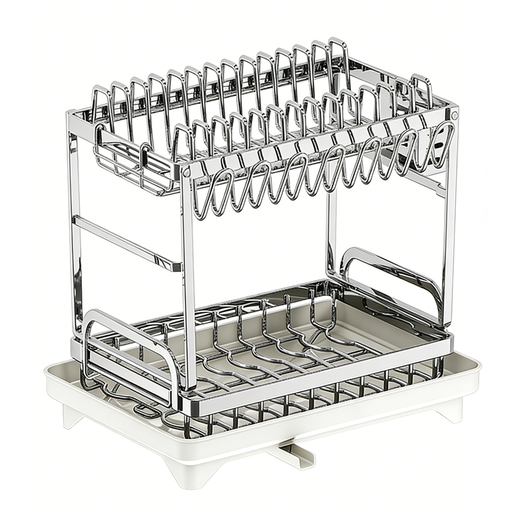
Why This Fits Their Persona: Perfect for families or shared homes where a lot of dishes accumulate daily. The two-tier design maximizes drying capacity on a small footprint and keeps the kitchen organized.
The sturdy, thickened material construction prevents wobbling even when fully loaded. The integrated drain pipe effectively solves the problem of standing water.
Large capacity thanks to the two-level design and divided compartments for clear organization. The combination of stainless steel and PP is water and rust-resistant.
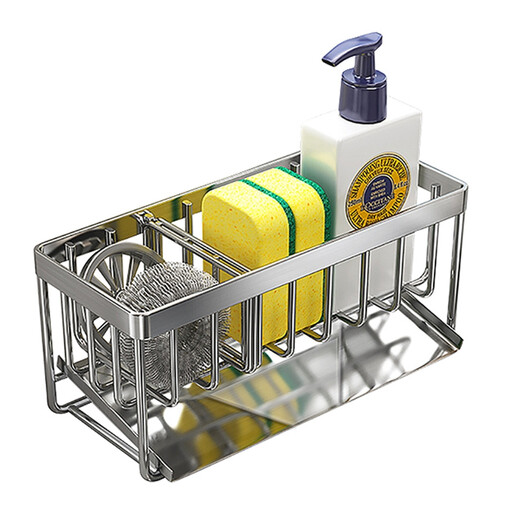
Why This Fits Their Persona: For anyone who wants to keep not just dishes, but also sponges, brushes, and dish soap neat and within easy reach. It creates a tidy zone right at the sink.
Made of high-quality 304 stainless steel, making it resistant to rust from constant water contact—a common problem with cheaper sink caddies.
Compact all-in-one design with an integrated soap dispenser. The minimalist and modern look visually enhances the sink area.
We've compiled a complete, up-to-date list of products that fully meet these strict selection criteria and German safety regulations.
1. How do you properly clean a stainless steel dish rack? For regular cleaning, warm water with a little dish soap and a soft cloth is usually sufficient. For limescale deposits, a mixture of water and vinegar can help. Avoid aggressive scouring agents or steel wool, as they can scratch the surface and compromise its rust resistance.
2. What is the difference between 304 stainless steel and regular stainless steel? 304 stainless steel is a specific alloy containing a higher percentage of chromium and nickel. This composition makes it particularly resistant to corrosion and rust, which is ideal for use in damp environments like the kitchen.
3. Does every dish rack need a drainboard? Not necessarily. There are also models designed to be placed directly over the sink (so-called over-the-sink dish racks). However, for a freestanding model on the countertop, a drainboard is essential to prevent water accumulation and potential damage to the surface.