
Lieferung heute & morgen

Qualitätsgarantie

Willkommens-Angebote freischalten: KOSTENLOSE Lieferung | Bis zu 80 % RABATT | Kostenlose 30-Tage-JoyPlus-Testphase
App herunterladen
The search for the right face cream can quickly become complicated. The market is saturated with products promising instant results, but unclear claims and exaggerated marketing messages often lead to poor choices. An unsuitable cream can be more than just ineffective; in the worst-case scenario, it can cause irritation or breakouts. This guide will help you understand the key criteria and make an informed decision.
We'll highlight the most common pitfalls and explain what truly matters when making your selection.
To avoid making the wrong choice, focus on objective and verifiable product characteristics. The following three parameters are crucial for a face cream's effectiveness and compatibility with your skin.
A cream's texture is largely determined by its base. The main distinction is between oil-in-water (O/W) and water-in-oil (W/O) emulsions.
A healthy skin barrier is the key to balanced and resilient skin. It protects against external aggressors and locks in moisture. Instead of just providing superficial hydration, a good cream should help strengthen the skin barrier. Look for the following ingredients:
If you are prone to redness, tightness, or irritation, a cream for sensitive skin with targeted soothing ingredients is a wise choice.
Based on the criteria above, we have curated a selection of products suitable for different user profiles.
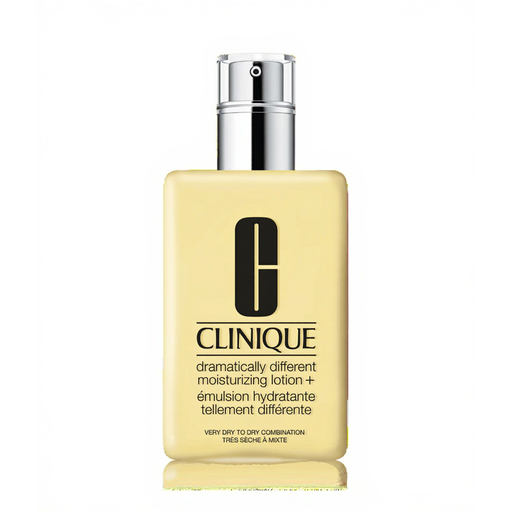
Why it's a great fit: This lotion is a classic for those who need reliable, intensive hydration for their very dry to dry combination skin. It focuses on restoring the moisture balance and strengthening the skin barrier without chasing short-lived trends.
The product bypasses the 'one-size-fits-all' myth by being explicitly developed for skin types 1 and 2 (very dry to dry combination). The formula is tailored to the specific needs of these skin types.
According to the manufacturer, it provides 8-hour hydration and supports the skin's moisture barrier with a blend of glycerin, urea, and plant extracts. The formula is fragrance-free.
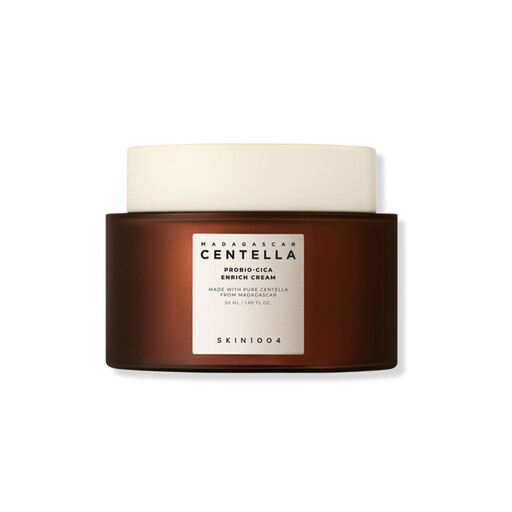
Why it's a great fit: Ideal for those whose skin barrier is compromised and prone to redness and irritation. This soothing cream harnesses the power of fermented Centella Asiatica and ceramides to intensely nourish and repair the skin.
Instead of promoting just one trendy ingredient, this cream relies on a synergistic complex (Probio-Cica, Ceramides, TECA). The focus is on holistically strengthening the skin barrier, not on a single ingredient.
The combination of fermented Centella extract and Ceramide NP strengthens the lipid barrier, locks in moisture, and provides lasting relief for sensitive skin. The texture is rich but non-greasy.
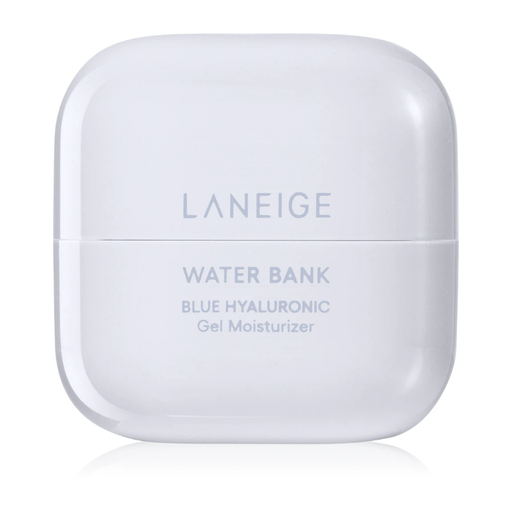
Why it's a great fit: This gel cream is specifically designed for oily and combination skin. It provides intense moisture without weighing down the skin or leaving a greasy film, helping to regulate the skin's oil-water balance.
This product solves the problem of misleading texture descriptions. It is a true gel cream that delivers on its promise: a lightweight moisturiser that absorbs quickly and leaves the skin feeling fresh.
The formula with hydrolysed hyaluronic acid provides deep hydration, while the lightweight texture is ideal for skin types prone to shine and clogged pores. It is non-comedogenic.
We have compiled a complete, up-to-date list of products that fully meet these strict selection criteria and current regulations.
Generally, it is recommended to apply face cream twice a day: in the morning after cleansing and before sunscreen, and in the evening as the final step of your skincare routine. This ensures continuous hydration and protection of the skin barrier.
Yes, like all cosmetic products, face creams have an expiry date. You will usually find a Period After Opening (PAO) symbol on the packaging—an open jar with a number (e.g., '12M')—indicating its shelf life in months after opening. A change in smell, colour, or consistency can be a sign that the product should no longer be used.
It's not strictly necessary, but it can be beneficial. A day cream is often lighter and ideally contains SPF or antioxidants to protect against environmental aggressors. A night cream can be richer and focus on regenerative ingredients like retinoids or peptides, as the skin renews itself overnight. If you choose to use one cream for both, be sure to apply a separate sunscreen during the day.