
Lieferung heute & morgen

Qualitätsgarantie

Willkommens-Angebote freischalten: KOSTENLOSE Lieferung | Bis zu 80 % RABATT | Kostenlose 30-Tage-JoyPlus-Testphase
App herunterladen
A facial emulsion usually sits somewhere between a toner, lotion and cream. Depending on its formulation, it can be used as a hydrating intermediate layer, a lightweight day moisturiser or a richer skincare step. The texture is particularly appealing for dry, mature or dull skin because it is easier to spread than a traditional cream while still being able to contain nourishing lipids.
When shopping online, however, similar product names and bold marketing claims can quickly lead to the wrong choice. Three common pitfalls are particularly important.
A facial moisturising emulsion described as “Very Moist” or “Extra Rich” often contains more oils, butters or film-forming ingredients. This can feel pleasant on dry skin, but may leave combination skin feeling heavy. The name describes the texture, not how well the product will suit your individual skin.
Terms such as collagen, hyaluronic acid or tranexamic acid sound convincing. However, the full INCI list, product type and intended use remain decisive. A facial emulsion with tranexamic acid, for example, is not automatically suitable for every skin type. For products advertised with specific active ingredients, check the labelling on the packaging.
Some luxurious emulsions are intended exclusively for the body. “Silk”, “Radiance” or “Hydrating” in a product name alone says nothing about where the product is designed to be used. A body emulsion such as Sensai The Silk Body Emulsion therefore does not belong in a comparison of facial skincare products.
For an emulsion for dry skin, glycerin, butylene glycol, squalane, plant oils, shea butter and skin-identical lipids such as ceramides and cholesterol are interesting ingredients. They can contribute to a smooth, comfortable feel and complement your skincare routine. For combination skin or warmer climates, a lighter, fast-absorbing formulation is often more practical.
Japanese and Korean products also often differ in the order in which skincare steps are used. Some Japanese ranges use the emulsion after the lotion, while others – including certain DECORTÉ-AQ products – recommend applying it directly after cleansing and before toner. The manufacturer’s instructions should take priority.
A facial emulsion with hyaluronic acid may contain moisture-binding ingredients, while a facial emulsion with collagen often uses soluble or hydrolysed collagen. However, this should not be taken to imply a medical or therapeutic effect. If you are sensitive to fragrance, look out for terms such as Limonene, Linalool, Citral or Parfum.
Alcohol, essential oils and certain preservatives may also be relevant depending on your skin’s condition. Using new products on a small area of skin first is a practical precaution. If redness, itching or stinging occurs, stop using the product.
Premium emulsions are often available in sizes between 110 and 200 ml. A larger bottle is not necessarily more economical if the texture can only be used sparingly or the product remains unused for a long time after opening. Check:
When choosing an anti-ageing emulsion or firming facial skincare product, base your decision on clear formulation characteristics rather than sweeping claims about wrinkles, elasticity or skin rejuvenation.
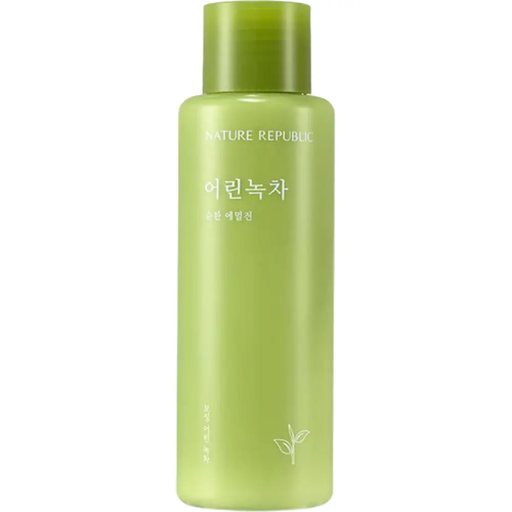
Why this product suits the profile: The 155 ml size and classic application after toner make this a suitable choice for anyone new to Korean facial skincare. The formulation contains, among other ingredients, Sodium Hyaluronate, green tea extract and Houttuynia Cordata extract.
The product description explicitly names the face and neck as areas of application. This helps prevent confusion with a body emulsion.
155 ml contents, a lightweight emulsion texture and Sodium Hyaluronate in the INCI list.
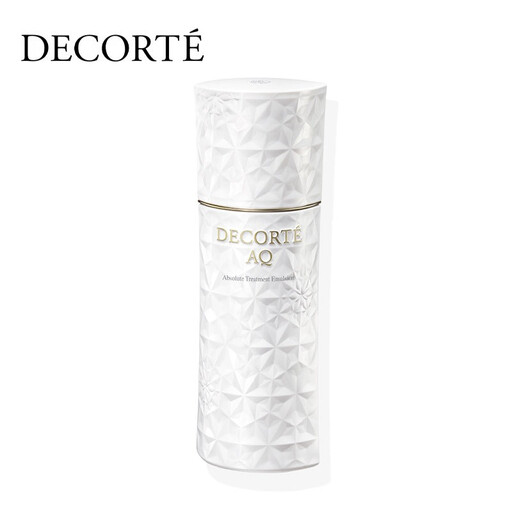
Why this product suits the profile: The Extra Rich version is aimed at people who prefer richer, more luxurious facial skincare and want to use the emulsion before toner.
The product variant is clearly identified as “Extra Rich”. This makes it easier to distinguish from lighter textures and reduces the risk of choosing the wrong consistency.
200 ml contents, plus Polyglutamic Acid, Adenosine and plant extracts according to the product description.
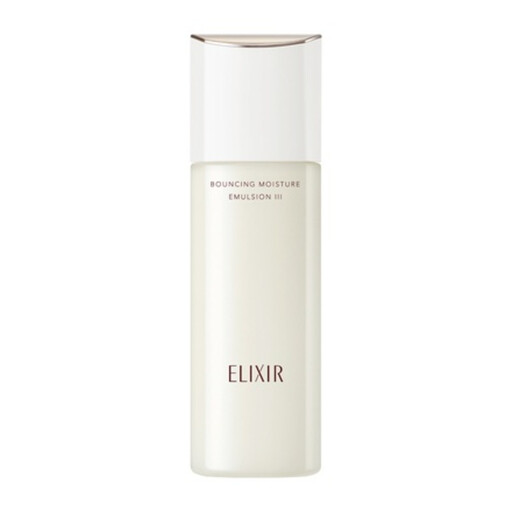
Why this product suits the profile: This Japanese facial emulsion is described as a very rich version and contains tranexamic acid as a listed active ingredient, as well as soluble collagen.
The product details distinguish between active ingredients, other ingredients and directions for use. This allows for a more objective assessment than focusing on a single buzzword.
130 ml contents, a very rich texture, plus tranexamic acid and collagen according to the product details.
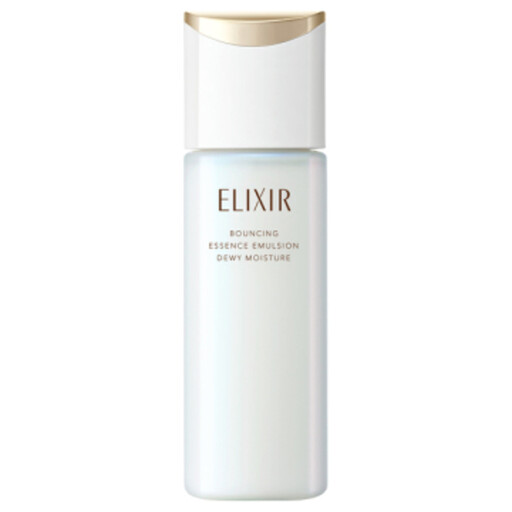
Why this product suits the profile: The Fresh Type texture is worth considering if you prefer a Japanese anti-ageing emulsion with a lighter feel on the skin. The description recommends using it in the morning and evening.
The name “Fresh Type” clearly indicates that it is lighter than a Very Moist version. This makes it easier to choose the texture that suits you.
130 ml contents, Fresh Type formulation, plus tranexamic acid and soluble collagen according to the INCI information.
The correct order depends on the individual product. The following often applies:
When using a brightening facial emulsion or a facial emulsion with tranexamic acid, follow the manufacturer’s instructions particularly carefully. Such product descriptions are not a substitute for dermatological advice.
A facial emulsion is usually lighter and more fluid than a cream. It can combine hydration with nourishing lipids, while creams are often more focused on creating a rich protective layer. The distinction is not consistent across all brands and regions.
The best-before date and the open-jar symbol on the packaging are the key points of reference. The smell, colour and consistency should not change noticeably. Keep the product closed, dry and protected from direct sunlight.
Richer textures containing glycerin, squalane, shea butter, ceramides or oils are often suitable for mature or dry skin. If you prefer a lighter feel, you can choose a Fresh Type or lightweight moisturising emulsion. Skin tolerance, the application step and the current INCI list remain the deciding factors.