
Lieferung heute & morgen

Qualitätsgarantie

Willkommens-Angebote freischalten: KOSTENLOSE Lieferung | Bis zu 80 % RABATT | Kostenlose 30-Tage-JoyPlus-Testphase
App herunterladen
A facial exfoliator can help remove loose flakes of skin and excess sebum from the skin’s surface. However, not every product suits every skin type. Facial scrubs, peeling gels, acid-based treatments and exfoliating masks differ significantly in terms of active ingredients, application and tolerability.
A general suitability claim does not replace checking the ingredients. Mechanical particles, fragrances, essential oils or acids may not be suitable for certain skin types. Especially when choosing a facial exfoliator for sensitive skin, check the product description for application instructions and warnings.
When using a peeling gel, cellulose or polymer ingredients can bind together into small rolls during massage. This visible texture is not automatically proof that a particularly large amount of skin cells has been removed. The important factors are the listed ingredients and the intended method of use.
An acid facial peel containing AHA or BHA should be used according to the manufacturer’s instructions. Exfoliating too often can put stress on the skin barrier. Avoid exfoliation if your skin is irritated, damaged or affected by sun exposure.
A mechanical facial exfoliator works through friction. Typical ingredients include sugar, jojoba esters, bamboo or silica particles. Massage with minimal pressure, as coarse or uneven particles can place unnecessary stress on the skin.
An AHA exfoliator uses fruit acids such as glycolic, lactic or malic acid. These are often used for skin that feels rough or looks uneven. An BHA exfoliator usually contains salicylic acid and may appeal to people who want to target excess sebum and the appearance of congested pores. The concentration, pH value and contact time are more important than marketing terms such as “intensive” or “instant”.
If you have sensitive skin or skin prone to redness, check the complete INCI list. Fragrances such as Limonene, Linalool or Parfum may be relevant considerations for sensitive users. Plant-based ingredients are not automatically non-irritating either.
When choosing natural or Korean cosmetics, it is worth looking at the actual formulation. A product containing plant extracts may also include surfactants, fragrances or essential oils. The ingredients list on the packaging is decisive, as formulations can change.
Cleanse your face according to the instructions before applying the product. Mechanical products are usually distributed over damp skin and massaged in gently using circular movements for a short time. A peeling gel, on the other hand, may be specifically intended for use on dry skin. Acid-based products are often not rinsed off and should be followed by suitable skincare.
When starting out, it makes sense to use the product infrequently. After exfoliating, apply a simple, skin-friendly moisturiser. With AHA products, daytime sun protection is also important, as the skin may become more sensitive to UV radiation.
The following recommendations group products according to specific usage scenarios. Ingredient and application details are based on the product information provided. Check the current packaging before buying.
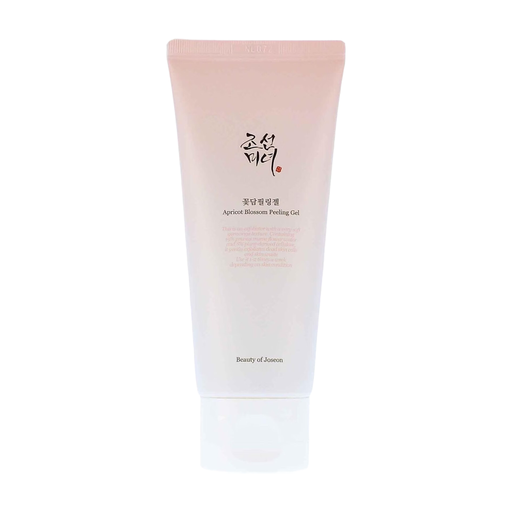
Why this product suits this profile: Apply the gel to dry skin after cleansing, massage for around 20 seconds and then rinse off. The 100 ml tube is ideal for a straightforward routine.
The product information specifies a precise massage time and warns against using it on irritated or damaged skin. It lists 19% plum blossom water and 8% plant-based cellulose.
Gel texture, plant-based cellulose and stated suitability for the face and body.
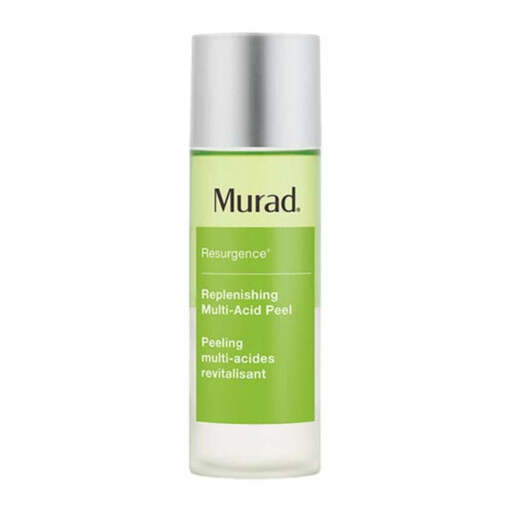
Why this product suits this profile: The two-phase formula combines AHA, BHA and other listed ingredients. It is designed for users who prefer a leave-on treatment in the evening.
The instructions advise shaking the product, applying it once a day in the evening, followed by moisturiser and sun protection. This helps avoid uncertainty about how much to use.
The INCI list includes glycolic, lactic, malic and salicylic acids; the two-phase application is clearly explained.
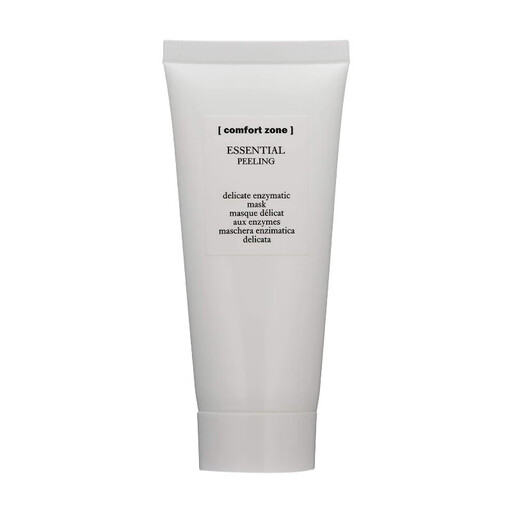
Why this product suits this profile: This enzymatic exfoliating mask is designed for regular but gentle use. The manufacturer recommends using it less frequently on sensitive skin.
Instead of coarse particles, it uses an enzymatic texture. The product information recommends applying it around once every two weeks for sensitive skin.
According to the product description, 96% of the ingredients are of natural origin. It also contains betaine, panthenol and glycerin.
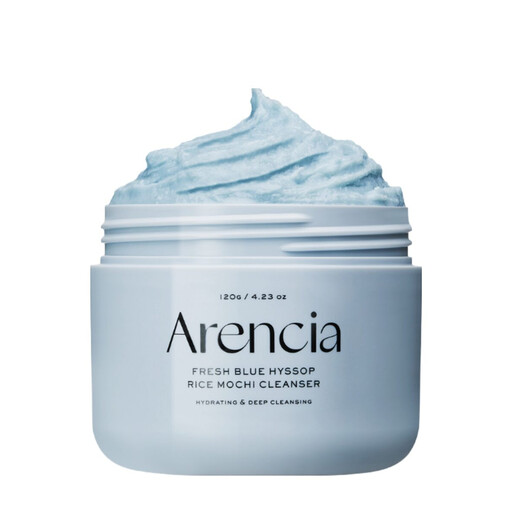
Why this product suits this profile: This 120 g product combines cleansing with gentle physical exfoliation. Its mochi-like texture turns into a foam when mixed with water, making it suitable for people who want to streamline their cleansing routine.
The instructions call for a small amount, gentle massage on damp skin and thorough rinsing. However, the product information also states that it contains Parfum.
Rice ingredients, kaolin and plant extracts; according to the product description, it is vegan and free from artificial fragrances, while the ingredients list does include Parfum.
We have put together a complete, regularly updated list of products that fully meet these strict selection criteria and the safety regulations applicable in the EU.
This depends on the product type and your skin type. Mechanical exfoliators are often recommended once or twice a week. An exfoliating mask or an AHA or BHA product may require a different frequency. Always follow the manufacturer’s instructions and consider how well your skin tolerates the product.
Yes, there are enzymatic products and particularly gentle formulas designed for this purpose. Nevertheless, check the INCI list for fragrances, essential oils and acids. Do not use an exfoliator on irritated, damaged or acutely inflamed skin.
A facial scrub usually contains particles that you can feel and is used with massage. A peeling gel may contain cellulose or other gel-forming ingredients that bind together when rubbed. Both are mechanical methods and should be used without applying strong pressure.