
Lieferung heute & morgen

Qualitätsgarantie

Willkommens-Angebote freischalten: KOSTENLOSE Lieferung | Bis zu 80 % RABATT | Kostenlose 30-Tage-JoyPlus-Testphase
App herunterladen
Pigmentation, an uneven skin tone and a dull complexion can be visibly improved with a suitable skincare routine. However, choosing a facial cream for pigmentation is not simply a matter of believing advertising claims. The key factors are the ingredients, skin compatibility, texture and consistent UV protection.
Terms such as brightening facial cream, Brightening Cream or cream for hyperpigmentation primarily describe a product’s cosmetic purpose. They do not prove that pigmentation will be completely removed. A cream can make the skin look more cared for, hydrated or even-toned without addressing the cause of the discolouration.
Niacinamide, vitamin C derivatives, alpha-arbutin and tranexamic acid are often used in products designed to promote a brighter-looking complexion. However, a higher concentration is not automatically the better choice. On sensitive or already irritated skin, using several active products at the same time can lead to redness or feelings of tightness.
A day cream with SPF can simplify your morning routine. For longer periods outdoors, frequent sweating or strong sunlight, the amount applied and reapplication are crucial. A low sun protection factor such as SPF 15 or SPF 25 should therefore not automatically be regarded as the only solution.
The following ingredients may be worth considering in a cream for dark spots:
The complete INCI list on the packaging remains the most important reference, as formulations and product information may change.
Normal to dry skin often benefits from creamier formulations containing glycerin, oils, shea butter or squalane. A moisturiser for dry skin should not leave your skin feeling tight and should layer well with serum and sun protection.
Normal to combination skin can often handle gel creams or lightweight emulsions. A niacinamide cream with a light texture may feel more comfortable for everyday use if rich products quickly leave a shiny finish or pill beneath make-up.
With sensitive skin, fragrances, alcohol and known allergens should be considered particularly carefully. A patch test on a small area of skin is advisable. If you experience burning, itching or persistent redness, stop using the product.
UV radiation can make dark spots more visible or contribute to the development of new discolouration. Products with SPF 15, SPF 25, SPF 30 or SPF 50+ offer different stated levels of protection. A day moisturiser with sun protection can be practical for everyday use; in strong sunlight, applying a sufficient amount, seeking shade and reapplying regularly are important.
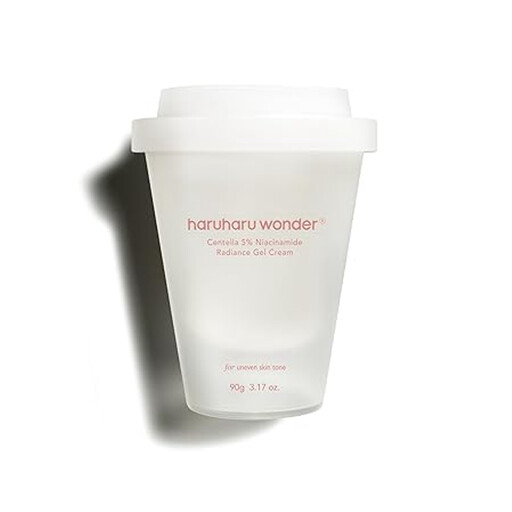
Why this product suits the profile: This lightweight gel cream combines 5% niacinamide with Centella Asiatica, panthenol and 2% squalane. It is designed for a straightforward morning and evening routine.
The fragrance-free, fast-absorbing texture reduces the risk of choosing skincare that is too rich for normal or sensitive skin. Separate sun protection is still required.
Lightweight gel texture, 90 g content, plus niacinamide, Centella, panthenol and squalane in the INCI list.
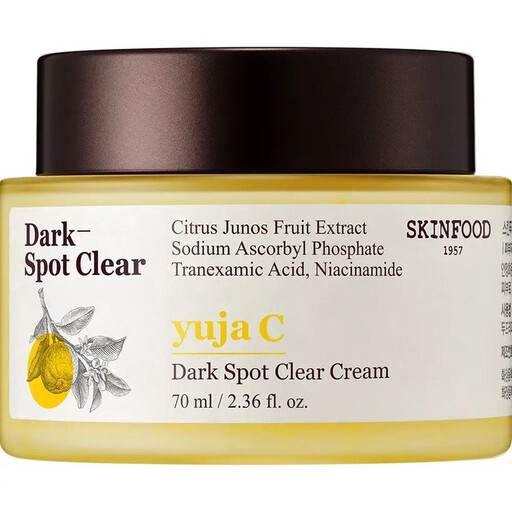
Why this product suits the profile: The formulation combines niacinamide, Ascorbyl Glucoside, yuja extract, glycerin, Sodium Hyaluronate, panthenol and allantoin for normal to dry skin.
The list of active ingredients is clearly provided. As no SPF is stated, essential sun protection is not mistakenly considered to be covered already.
70 ml content, moisturising ingredients, plus a stabilised vitamin C derivative and niacinamide.
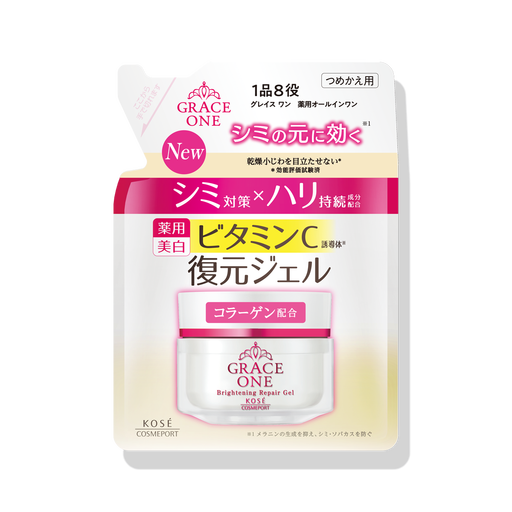
Why this product suits the profile: This Japanese all-in-one product is aimed at users who want to combine morning moisturising and stated UV protection in a single gel.
The stated SPF50+ is clearly shown. Because it contains alcohol, fragrance, a vitamin C derivative and retinyl palmitate, sensitive users should check its compatibility with their skin beforehand.
100 g content, SPF50+ PA++++, hyaluronic-acid-related ingredients and a rich gel texture.
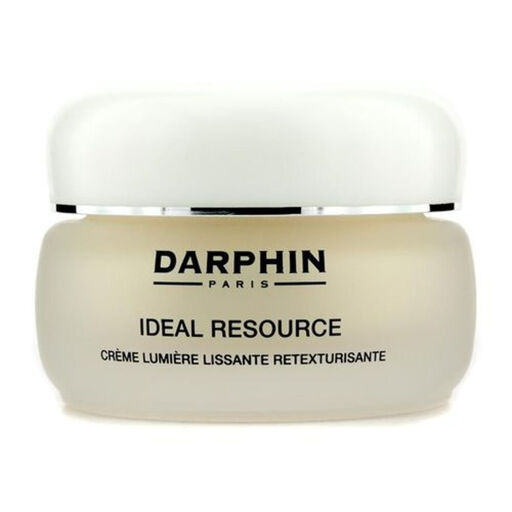
Why this product suits the profile: According to the product description, this rich cream is intended for normal to dry skin and combines nourishing ingredients with a skincare concept focused on promoting radiance.
The rich texture is clearly associated with drier skin. As fragrance and alcohol appear in the INCI list, the product should be considered carefully for sensitive skin.
Sodium Hyaluronate, glycerin, squalene and botanical extracts; suitable for use morning and evening.
We have put together a complete, regularly updated list of products that fully meet these strict selection criteria and the safety regulations applicable in the EU.
A new facial cream for pigmentation should initially not be combined with several other active products. After cleansing, a small amount is sufficient for the face and neck. In the morning, apply suitable sun protection afterwards if the cream does not provide sufficient SPF for your intended use. For dry skin, you can apply a hydrating serum beforehand.
Cosmetic changes usually require regular use. Skin compatibility, consistent UV protection and realistic expectations of the product description are all important. New, changing or unusual pigmentation should be assessed by a dermatologist.
A fragrance-free formulation with as few ingredients as possible can make choosing easier. Even so, you should carry out a patch test before using the product fully for the first time. Products containing fragrance, alcohol, acids or several active ingredients should be assessed particularly carefully when you have sensitive skin.
No. A vitamin C cream can cosmetically brighten the appearance of the skin and help promote a more even-looking complexion. Complete removal is not guaranteed. Visible results depend, among other things, on your skin type, UV exposure and the cause of the pigmentation.
This depends on the amount of product, how much you use and how often you apply it. With daily use, 40 to 50 ml will usually last for several weeks to a few months. A 70 or 100 ml product can be used for longer at the same dosage. The period-after-opening symbol and the information on the packaging are also important.