
Lieferung heute & morgen

Qualitätsgarantie

Willkommens-Angebote freischalten: KOSTENLOSE Lieferung | Bis zu 80 % RABATT | Kostenlose 30-Tage-JoyPlus-Testphase
App herunterladen
Dark spots, redness and acne marks can have different causes. So you shouldn’t choose a serum for pigmentation based solely on marketing claims such as “glow” or “brightening”. The key factors are the ingredients, how well your skin tolerates the formula and how realistic it is to use as part of your daily routine.
As Joybuy Product Recommendation Officer, our selection is based on clear product information. It’s designed to help you find a suitable serum for dark spots, pigmentation care or a targeted spot treatment.
A 10% niacinamide serum may sound impressive at first. However, a concentrated formula can feel uncomfortable on sensitive or already irritated skin. You should also take care not to combine multiple active ingredients, such as niacinamide, acids and vitamin C derivatives, without considering how they work together.
Check the formula as a whole, and carry out a patch test on a small area of skin before using it for the first time.
UV radiation can affect the development or appearance of pigmentation. A serum for pigmentation is therefore just one part of your skincare routine. In the morning, you should also use a suitable broad-spectrum sunscreen. Without this step, your skincare routine may be less effective.
A serum for acne marks is generally intended for discolouration left behind, while a spot treatment for spots is designed for individual active blemishes. Pimple patches, meanwhile, provide a physical covering and aren’t the same as a traditional serum.
If you have painful, recurring or severely inflamed skin concerns, it’s a good idea to seek advice from a dermatologist. Cosmetic products aren’t intended to treat medical conditions.
Niacinamide is often used to care for skin that looks uneven. According to the product information, AXIS-Y Dark Spot Correcting Glow Serum contains 5% niacinamide. The manufacturer also lists squalane, rice bran, papaya and sea buckthorn extracts.
Other formulas combine niacinamide with additional ingredients:
These details describe each formula, but they aren’t a general guarantee of effectiveness. If you have sensitive, blemish-prone skin, pay particular attention to fragrance, essential oils and exfoliating acids.
A lightweight gel serum may work well under a moisturiser. Richer products may feel more comfortable on dry skin, but could feel heavier on oily skin. Also check whether the product is intended for your whole face or just individual areas.
Most serums are applied after cleansing. Spot treatments may have different instructions. According to its product description, AC Collection Ultimate Spot Cream is intended for targeted application in the evening.
Before buying, check the shelf life shown on the packaging, the batch number and the current ingredients list. Manufacturers may change their formulas. Keep products away from direct sunlight and heat.
Stop using the product if you experience a burning sensation, persistent redness, itching or a rash. Avoid the eye area and any broken skin.
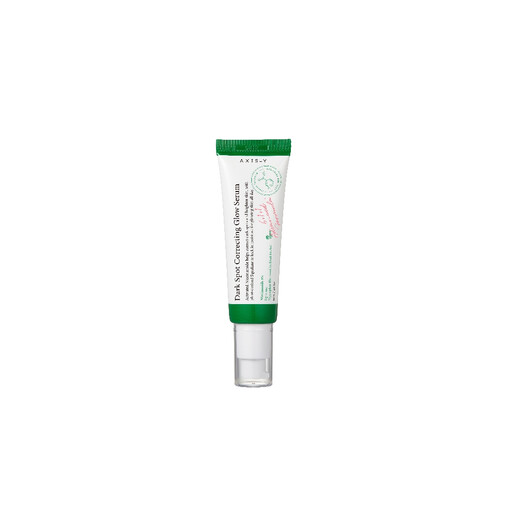
Why it suits this profile: Its gel-like texture and 5% niacinamide, according to the product information, offer a straightforward introduction to daily care for an uneven-looking complexion.
The product description gives a clear niacinamide concentration rather than making a vague “glow” claim.
50 ml size, squalane and a lightweight gel texture, according to the product information.
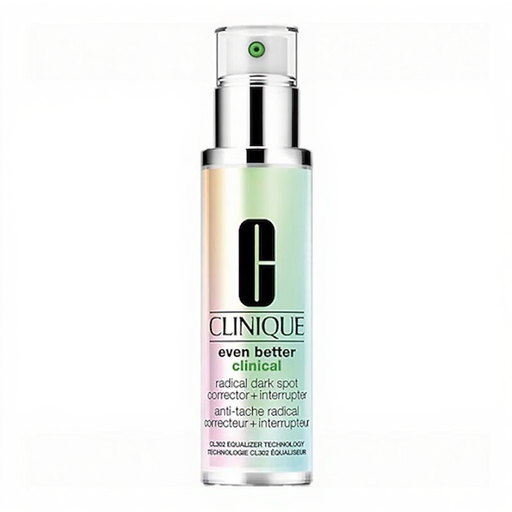
Why it suits this profile: The formula combines several clearly named skincare ingredients and is fragrance-free, according to the product description.
The full INCI list makes it possible to check for ingredients you may be sensitive to. Clinique reports a change in the appearance of visible spots after twelve weeks in its clinical study; this manufacturer claim may not apply to everyone.
50 ml size, a vitamin C derivative, niacinamide and salicylic acid, according to the ingredients list.
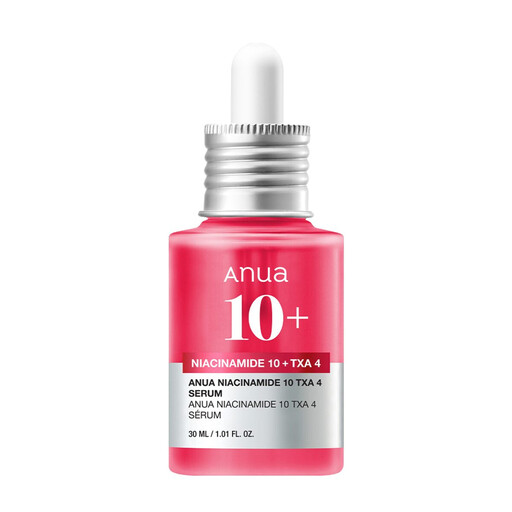
Why it suits this profile: For anyone looking to compare Korean skincare products with several clearly named active ingredients.
The product information gives specific concentrations of niacinamide, tranexamic acid and arbutin, making it easier to compare the formula with your own skincare routine.
30 ml size, plus ceramide and hyaluronic acid according to the product description; a patch test is recommended before use.
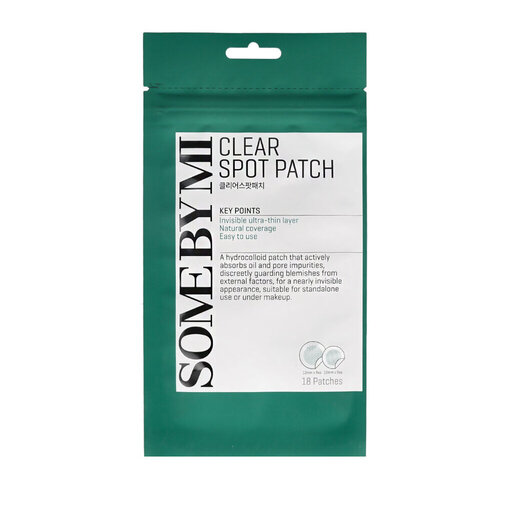
Why it suits this profile: For individual visible blemishes when you want targeted coverage rather than a serum for your whole face.
It’s clearly intended for individual areas. Apply the patch to cleansed, completely dry skin; it isn’t a serum.
Hydrocolloid material and two patch sizes, 10 and 12 mm, according to the product description.
Skincare products usually need to be used regularly for several weeks. How your skin responds will depend on factors such as the cause of the pigmentation, sun exposure and how well you tolerate the product. Manufacturer guidance on how long to use a product shouldn’t be taken as a guarantee of a particular result.
This depends on the formula and how sensitive your skin is. If you have sensitive or blemish-prone skin, it’s a good idea to introduce new products one at a time and avoid using several active formulas at once at first. Stop using the product for a while if you experience burning or redness.
Depending on your skin type, a gentle serum, consistent sun protection and a simplified skincare routine may help with lingering discolouration. A pimple patch, on the other hand, is designed for targeted use on suitable blemishes. If changes persist or keep returning, a dermatologist can advise you on the right skincare approach.