
Lieferung heute & morgen

Qualitätsgarantie

Willkommens-Angebote freischalten: KOSTENLOSE Lieferung | Bis zu 80 % RABATT | Kostenlose 30-Tage-JoyPlus-Testphase
App herunterladen
Anyone looking to buy fish sauce will find a wide range of bottles from Thailand, Vietnam and other countries in South-east Asia. The products often look similar, but can vary considerably in fish content, salt level, ingredients, size and intended use. That is why not every Asian seasoning sauce is equally suitable for Thai curries, pho, stir-fries or som tam.
A classic fermented fish sauce often consists of fish or anchovies, salt and, where applicable, sugar. Alongside these, there are ready-seasoned products such as papaya salad dressings and pla ra sauces. These often contain additional ingredients such as garlic, prawns, rice, acidity regulators or thickening agents.
A dressing for som tam can be convenient, but it is not always the right choice for soups, marinades or a Vietnamese dipping sauce recipe. Therefore, check whether the label states “Fish Sauce”, “Dressing”, “Fermented Fish Sauce” or another product type.
Fish content is a useful point of comparison, but it is not the only measure of quality. For example, Squid Fish Sauce 300 ml lists 77% anchovy extract. Squid Fish Sauce 725 ml also contains Anchovy (77%), as well as salt and sugar. Other products, such as Thanh Ha Fish Sauce 720 ml, state 35% Stolephorus commersonnii alongside additional ingredients such as flavour enhancers and sweeteners.
What matters is whether you are looking for a clear, intense fish flavour or an already balanced seasoning sauce. The ingredients list and the declared fish species provide more objective guidance than general terms on the front of the bottle.
Fish sauce is often very high in salt and is normally used by the teaspoonful. For occasional cooking, 200 ml or 300 ml fish sauce may be a sensible choice. If you regularly prepare curries, soups and stir-fries, 700 ml fish sauce or 720 ml may be more practical. However, a large bottle is only suitable if the sauce can be used within the recommended period.
Look for an ingredients list that clearly states the fish content. Products containing anchovies are often anchovy fish sauces, in which the fish has been fermented or processed as an extract. A high proportion may indicate a more intense flavour, but it does not replace checking the salt, sugar and other additives.
For the most versatile Asian fish sauce, short ingredients lists are practical. Products containing sugar can have a rounder flavour, while varieties with additional spices or prawns are more specifically suited to certain dishes.
Nutritional information shows that some fish sauces contain more than 20 g of salt per 100 ml. Squid Fish Sauce 725 ml, for example, lists 25.2 g of salt per 100 g, while King Lobster Fish Sauce 700 ml states 26.3 g of salt per 100 ml. This means the sauce should be added gradually rather than used generously like a traditional liquid seasoning.
For soups, curries or stir-fries, start with a few drops or half a teaspoon. You can then balance the flavour with lime juice, water, sugar or other ingredients.
Fish sauce contains fish and is therefore not suitable for vegetarians or vegans. Some products also contain crustaceans. Pantai Shrimp Fish Sauce 700 ml explicitly lists shrimp extract (2%) in addition to anchovies. JAWIRAT Fermented Fish Sauce also contains fish and shrimp paste.
Also pay attention to the storage instructions. Many products should be stored unopened in a cool, dry place away from direct light. Depending on the product, refrigeration may be required or recommended after opening. ZAB MIKE Fish Sauce for Papaya Salad 350 ml states that it should be refrigerated after opening and consumed within 7 days. The label on the individual bottle always takes precedence.
The following selection does not rank products overall, but groups them according to bottle size, ingredients and intended use.
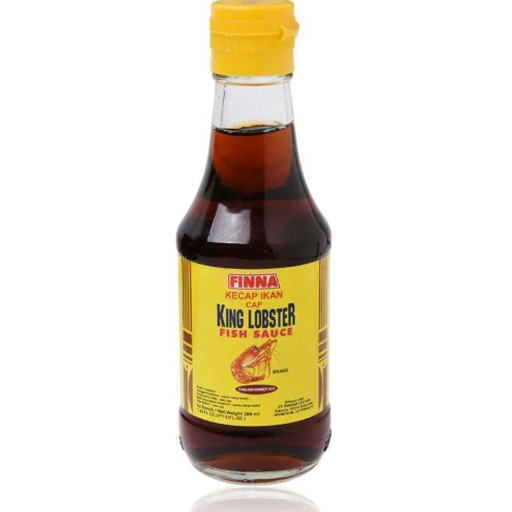
Why this product suits this profile: The 200 ml bottle is ideal for households trying fish sauce for the first time or cooking Asian dishes only occasionally.
The stated recipe consists of 63% anchovies, salt and sugar. This clearly distinguishes the sauce from heavily seasoned dressings.
200 ml, 63% anchovies and a short ingredients list; according to the product information, with no declared artificial colours, flavourings or preservatives.
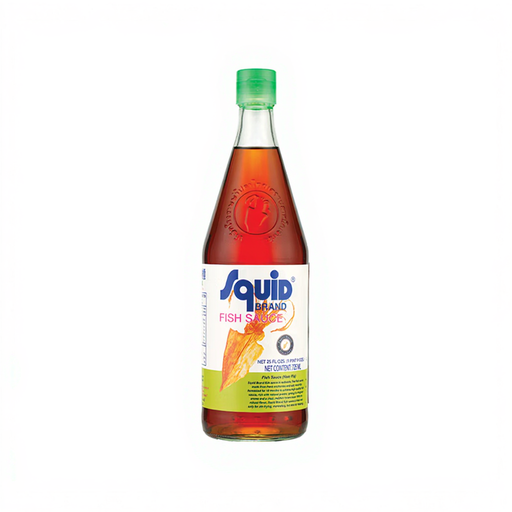
Why this product suits this profile: The large bottle is aimed at people who regularly use fish sauce in Thai dishes, soups and stir-fries.
The 77% fish content is stated on the product page. The ingredients, allergens and salt content of 25.2 g per 100 g can all be checked before buying.
725 ml, 77% anchovies and a simple recipe made from anchovies, salt and sugar; store in a cool place after opening.
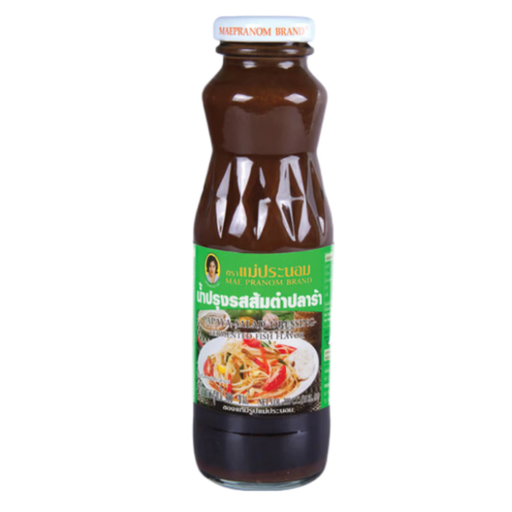
Why this product suits this profile: The ready-to-use dressing is designed for som tam and, according to the product information, can also be used as a marinade or dip.
The product name makes it clear that this is a seasoned papaya salad dressing rather than a neutral base fish sauce.
300 ml, made in Thailand, with a clearly defined use for som tam, marinades and dips.
We have put together a complete, regularly updated list of products that fully meet these strict selection criteria and the safety regulations applicable in the EU.
For even seasoning, add the sauce in small quantities while cooking. It is suitable for:
After opening, the cap should be kept clean and tightly closed. Whether refrigeration is required and how long the product should be used for depends on the individual recipe. Heavily seasoned or fermented speciality products may have shorter periods of use.
For classic Thai dishes such as pad Thai, curries, soups and stir-fries, neutral Thai fish sauces made with anchovies, salt and sugar are suitable. For som tam, you can also choose a ready-made dressing or a fermented fish sauce containing additional ingredients.
This varies from product to product. Some bottles should be refrigerated after opening and used within a few months. According to the product information, ZAB MIKE should be used within 7 days, while longer periods are stated for other products. Always check the packaging and store the bottle after opening according to the manufacturer's instructions.
For occasional use, 200 ml or 300 ml are manageable sizes. If you regularly cook Asian dishes, 680 ml, 700 ml, 720 ml or 725 ml may be more economical and practical. The key factors are how often you use fish sauce and the storage period stated after opening.