
Lieferung heute & morgen

Qualitätsgarantie

Willkommens-Angebote freischalten: KOSTENLOSE Lieferung | Bis zu 80 % RABATT | Kostenlose 30-Tage-JoyPlus-Testphase
App herunterladen
A well-organised kitchen starts with the right storage solutions. Food containers are essential for keeping food fresh longer, preparing meals in advance (meal prep), or safely storing leftovers. But the market can be overwhelming, and not every container lives up to its promise. Leaking liquids, stubborn stains, and cracks appearing after a short time are common frustrations.
As your Joybuy Product Recommendation Officer, I'm here to help you separate the wheat from the chaff. This guide will show you which critical features to look for and how to avoid the common pitfalls when buying food storage containers.
Before investing in a new food container set, you should be aware of the weak points that often only become apparent with daily use.
To avoid the problems mentioned above, you should focus on three core technical parameters during your selection. These determine durability, safety, and functionality.
Most plastic food containers are made of Polypropylene (PP). It is a robust, lightweight, and generally cost-effective material. The BPA-free label is crucial here. This means that the chemical Bisphenol A was not used in its production, which is an established standard for food safety.
For more demanding requirements, there are materials like Tritan. This plastic is also BPA-free, but is also extremely shatterproof and scratch-resistant. Its glass-like clarity is maintained even after many wash cycles, and it is significantly more resistant to stains and odours.
A lid alone doesn't make a container secure. The combination of the lock and the seal is what counts.
Always check the manufacturer's specifications for temperature resistance. A container declared as microwave-safe should generally be heated without the lid to avoid pressure build-up. For use as freezer-safe, it's important that the plastic remains flexible even at sub-zero temperatures and doesn't become brittle. A typical temperature range for versatile containers is between -20°C and +100°C.
Based on the criteria above, we have compiled a few products for different needs and profiles.
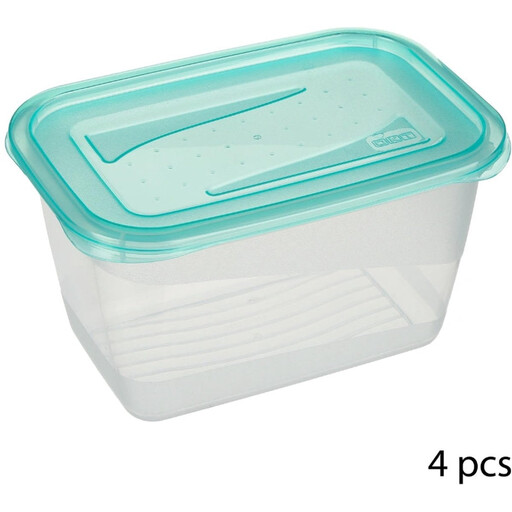
Why it's a great fit: Ideal for students or for a first home. This set provides a solid starter kit for storing leftovers or dry goods without breaking the bank. The transparent design makes it easy to organise your fridge.
This set focuses on the basics. It doesn't promise absolute leak-proofing for liquids, but it is a reliable and straightforward solution for solid foods and freezing. It is certified as food-safe, microwave-safe, and dishwasher-safe.
Excellent value for money in a 4-piece set. The containers are stackable and compact, saving space in cupboards and the freezer.
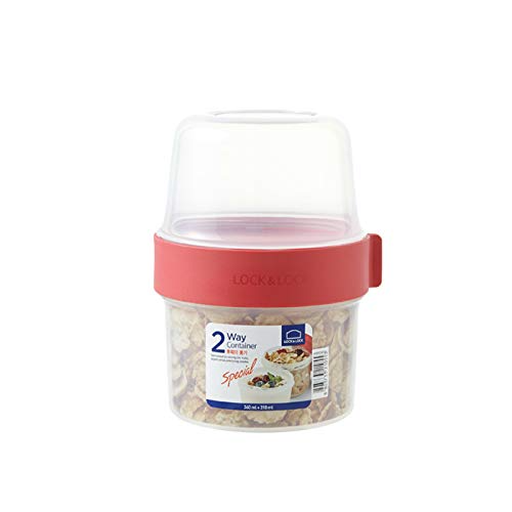
Why it's a great fit: Perfect for professionals and health-conscious individuals who take their food on the go. This Meal Prep Box keeps yoghurt and granola, or veggie sticks and dip, separate until it's time to eat. The compact design fits into any bag.
The two-chamber system with a screw-on lid is specifically designed to transport different components securely and separately. This prevents ingredients from mixing and getting soggy—a common problem with standard containers.
Two separate containers (360 ml + 310 ml) in one. The material is BPA-free, microwave-safe (without lid), and dishwasher-safe for maximum everyday flexibility.
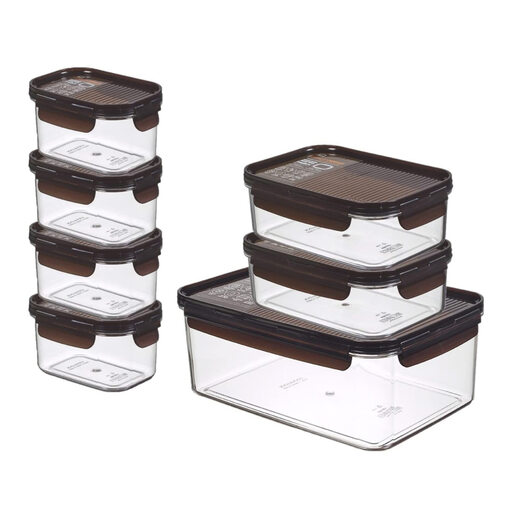
Why it's a great fit: For anyone looking for a durable, hygienic, and versatile solution for the whole family. With various sizes covering everything from a small snack to a large head of lettuce, this set is an investment in lasting organisation and freshness.
The Tritan material is extremely resistant to stains and odours—the most common frustrations with plastic containers. It is also shatterproof and scratch-resistant, which minimises material fatigue and ensures a long lifespan.
Comprehensive 7-piece set made from high-quality Tritan. The patented silicone safety lock provides a completely airtight and waterproof seal.
We have compiled a complete, up-to-date list of products that fully meet our strict criteria for safety and performance.
No, not all plastic containers are suitable for the microwave. Always check the label or product description for the microwave-safe symbol. As a rule, the lid must be removed or at least opened before heating to allow steam to escape. Heating foods high in fat or sugar can lead to very high temperatures and damage the material.
Rinse the container with cold water immediately after use before cleaning it with warm water and dish soap. Cold water helps to prevent pigments from soaking into the plastic. For stubborn stains, a paste of baking soda and water can help. Choosing a high-quality, less porous material like Tritan is the most effective preventative measure.
"BPA-free" means that the product was manufactured without the industrial chemical Bisphenol A. BPA was used in the past to make certain plastics and can, under certain conditions, leach into food. Although the risks of small amounts are debated, "BPA-free" has become the safety standard for products that come into contact with food, especially for baby products and storage containers.