
Lieferung heute & morgen

Qualitätsgarantie

Willkommens-Angebote freischalten: KOSTENLOSE Lieferung | Bis zu 80 % RABATT | Kostenlose 30-Tage-JoyPlus-Testphase
App herunterladen
By the Joybuy Product Recommendation Officer, August 30, 2026
Sensitive skin often reacts unpredictably: redness, tightness, or dryness after cleansing are common side effects. The search for a suitable face wash for sensitive skin can feel like navigating a minefield. Many products promise to be gentle, but the reality is often quite different.
As a Product Recommendation Officer at Joybuy, I analyse product information daily, filtering facts from the marketing noise. In this guide, I'll show you which pitfalls to watch out for and which objective criteria truly matter in your selection, ensuring your skin gets the gentle care it needs.
Before we get to the solutions, it's crucial to recognise the common issues that lead to bad buys.
To make the right choice, focus on verifiable properties instead of marketing promises. The following three criteria are crucial for a gentle face wash.
The skin's surface has a slightly acidic pH of around 5.5. This "acid mantle" is fundamental for defending against harmful environmental factors and regulating moisture balance. A pH-balanced cleanser supports this natural barrier function. Products with an alkaline pH (like classic bar soaps) can disrupt this protective layer, making the skin more prone to dryness and irritation. Therefore, look for products explicitly labelled as "pH 5.5" or "pH-balanced".
Surfactants are the active cleansing agents that dissolve dirt and oil. Their formulation determines how gentle a cleanser is.
A good face wash for dry, sensitive skin should not only cleanse but also care for the skin. Certain active ingredients can help soothe the skin and strengthen its resilience.
Based on these objective criteria, I have selected a few products from our range that are suitable for different user profiles.
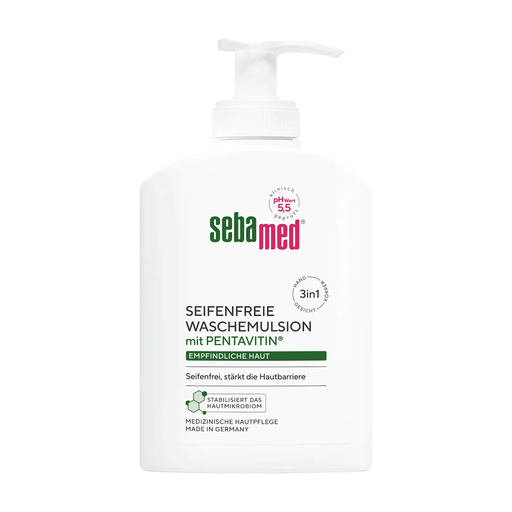
Why it's a match: Ideal for anyone seeking a straightforward, reliable, and versatile cleansing solution for both face and body. A proven German-made formula that is streamlined to the essentials.
The soap-free formula, with a pH of 5.5, bypasses the trap of harsh, alkaline cleansers and actively protects the skin's acid mantle.
Contains a care complex with Panthenol and Glycerin to support the skin's moisture balance. Dermatologically and clinically tested.
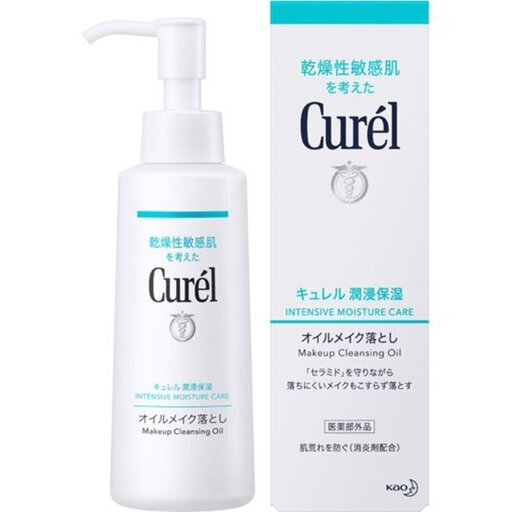
Why it's a match: For those who wear makeup daily (including waterproof) and need effective yet low-friction removal without further stressing the sensitive skin barrier.
The oil-based formula dissolves makeup without harsh surfactants. It emulsifies with water and rinses off easily, minimising mechanical irritation from excessive rubbing.
The formula is designed to protect the skin's own ceramides. It contains Dipotassium Glycyrrhizate, an active ingredient that, according to the manufacturer, helps prevent skin roughness.
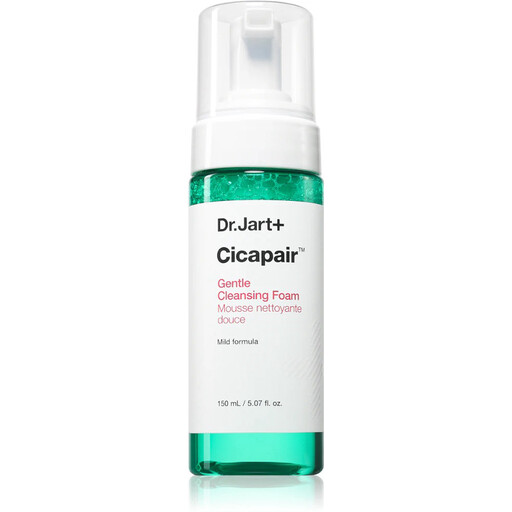
Why it's a match: For individuals whose skin is prone to redness and irritation and who are specifically looking for a soothing formula to restore balance.
Instead of relying on vague "natural" claims, this formula uses a specific active complex with Centella Asiatica, which is renowned for its calming properties.
Formulated with 23% Glycerin, according to the manufacturer, to hydrate the skin during cleansing and reduce feelings of tightness. Fragrance- and paraben-free.
We have compiled a complete, up-to-date list of products that fully meet these strict selection criteria and comply with current regulations.
1. How often should I cleanse my face if I have sensitive skin? Generally, cleansing once or twice a day is sufficient. An evening cleanse is essential to remove makeup, sunscreen, and environmental pollutants. Whether a second cleanse in the morning is necessary depends on your individual skin condition. If your skin feels balanced in the morning, a simple rinse with lukewarm water may be enough to avoid unnecessarily stressing the skin barrier.
2. Is a cleansing milk or a cleansing gel better for dry, sensitive skin? Both textures can be suitable, as long as the formulation is right. A cleansing milk for sensitive skin often has a richer, creamier consistency and leaves the skin feeling nourished, which is particularly beneficial for very dry skin. However, a modern cleansing gel for sensitive skin can work just as well if it contains mild surfactants and hydrating ingredients like hyaluronic acid or glycerin. Ultimately, the choice comes down to personal preference.
3. Can I use micellar water daily on sensitive skin? Yes, a hypoallergenic face cleanser in the form of micellar water is often a very gentle option. The micelle technology encapsulates dirt particles and removes them gently. However, some skincare specialists recommend rinsing your face with water after use to ensure no surfactant residues remain on the skin, which could potentially cause irritation on extremely reactive skin.