
Lieferung heute & morgen

Qualitätsgarantie

Willkommens-Angebote freischalten: KOSTENLOSE Lieferung | Bis zu 80 % RABATT | Kostenlose 30-Tage-JoyPlus-Testphase
App herunterladen
Gochujang is the cornerstone of many Korean dishes, lending them an unmistakable depth of spice, sweetness, and umami. However, shoppers often face a confusing array of options. Choosing the wrong paste can sour your cooking experience and lead to disappointing results. To help you confidently find the perfect product for your kitchen, we'll break down the crucial criteria and common pitfalls.
Two common mistakes often lead to the wrong choice:
To make the right choice, you should check three key factors. These will help you distinguish marketing promises from actual product quality.
The base of a traditional gochujang paste consists of a blend of fermented rice (often glutinous rice), fermented soybeans (meju), and chili powder (gochugaru). The order of ingredients is crucial.
Gochujang is more than just a Korean hot sauce. Its characteristic profile comes from the interplay of:
For dishes like bibimbap, a paste with balanced sweetness and medium heat is ideal, as it blends well with the other ingredients.
Established Korean brands like Sempio Gochujang or Bibigo Gochujang are often a reliable choice, as they have a long history of producing fermented pastes. A look at the place of manufacture (South Korea) can also be an indicator of a product made according to traditional local recipes.
Instead of a one-size-fits-all recommendation, we're presenting products tailored to specific needs and cooking habits.
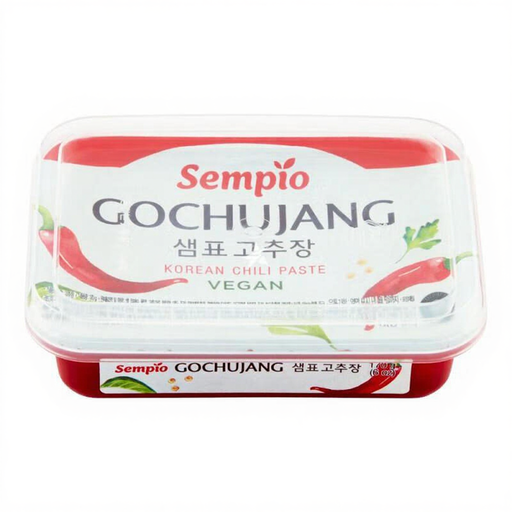
Why This Fits Their Persona: Ideal for anyone trying gochujang for the first time or who only needs it for specific recipes. The compact size lets you explore the flavor without a big investment.
The 170g package prevents food waste if the flavor isn't what you expected or if the paste is only used sporadically.
Offers the authentic taste of an established Korean brand in a trial-friendly size. The ingredients list is rice-based, not primarily corn syrup.
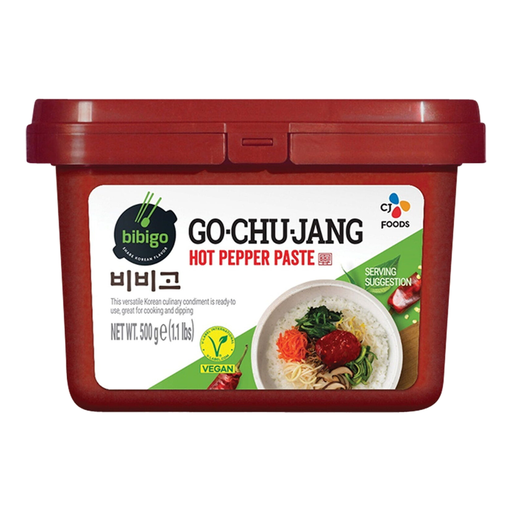
Why This Fits Their Persona: Perfect for those who regularly prepare Korean dishes like tteokbokki, stews, or marinades. The 500g size offers great value for frequent use.
This size is more economical than repeatedly buying smaller containers and ensures you always have a supply on hand for spontaneous cooking ideas.
A versatile, standard product from Bibigo, one of the most well-known brands in Korean food. The paste has a balanced flavor profile suitable for a wide variety of recipes.
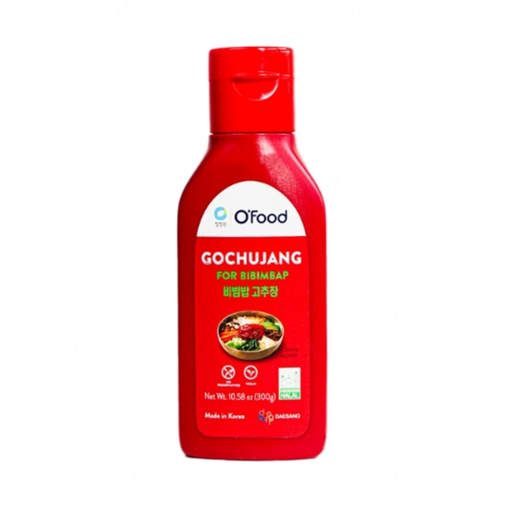
Why This Fits Their Persona: Specifically designed for preparing bibimbap. The consistency is often slightly thinner, making it easier to mix with rice and vegetables. The HALAL certification also meets the needs of a specific audience.
This product isn't a generic paste but a targeted solution for a specific dish. It avoids the compromise of an all-purpose paste that might be too thick for bibimbap.
Ready-to-use consistency for bibimbap and an official HALAL certification. The convenient squeeze bottle makes portioning easy.
We have compiled a complete, up-to-date list of products that fully meet these strict selection criteria and local regulations.
Due to its high salt content and fermentation process, gochujang has a very long shelf life. After opening, the paste should be stored in the refrigerator to preserve its color and freshness. It will typically last for several months up to a year without any issues. A darkening of the color is normal and not a sign of spoilage.
No, there are fundamental differences. Gochujang is a fermented paste made from chili powder, rice, and soybeans, with a complex, sweet, spicy, and savory flavor. Sambal oelek is an Indonesian chili paste made primarily from crushed raw chili peppers, salt, and often a bit of vinegar, tasting mainly spicy and salty. Sriracha is a smoother, more liquid chili sauce of Thai origin with a distinct garlic and vinegar flavor.
If you're unsure, start with a paste labeled "mild" or "medium hot." Most standard gochujang products have a moderate heat level that is well-balanced for most dishes. You can always adjust the spiciness by the amount you use or temper the paste with a little sesame oil or honey.