
Lieferung heute & morgen

Qualitätsgarantie

Willkommens-Angebote freischalten: KOSTENLOSE Lieferung | Bis zu 80 % RABATT | Kostenlose 30-Tage-JoyPlus-Testphase
App herunterladen
LocknLock food storage containers often come with similar claims: airtight, leakproof, stackable and suitable for the microwave or freezer. In practice, however, the models vary considerably in their material, temperature range, lid and capacity. If you focus only on the price or appearance, it’s easy to buy a container that isn’t suitable for the way you plan to use it.
For many plastic and glass containers, microwave-safe means suitable for use without the lid. Steam and pressure can warp a closed lid or cause it to pop open. With LocknLock food storage containers, remove the lid before heating, or leave it partially open if the instructions specifically allow this.
The term “oven-safe” doesn’t automatically apply to the lid, either. According to the product information, the glass container in the LocknLock Top Glass Series is suitable for temperatures up to 400 °C, but you must remove the lid before using it in an oven or air fryer.
A silicone seal and a multi-sided locking system can reduce the risk of leaks. However, the seal must be fitted correctly and kept clean and undamaged. Dried-on food, a misaligned lid or worn seals can all affect how well the container closes.
For soups, sauces and marinades, food storage containers with a full silicone seal and several locking clips are a good choice. A simpler design is often enough for dry foods.
Stackable food storage containers only save space if their bases fit together. Square containers are generally easier to arrange neatly in the fridge and cupboard than containers in different shapes. You should also check the external dimensions: a container with a capacity of 1.5 litres may be too tall for a small fridge shelf.
A glass food storage container resists odours and, depending on the model, can be used in the fridge, freezer, microwave or oven. Borosilicate glass is heat-resistant, but it can still break. Avoid sudden temperature changes: never put a frozen container straight into a hot oven.
A polypropylene plastic food storage container is generally lighter and practical for meal prep, taking food with you and everyday use. With plastic, it’s particularly important to check the stated temperature range. For example, the LocknLock 870 ml model isn’t suitable for the oven. Remove the lid before putting it in the microwave.
Don’t just look at capacity; check the internal height, too. Deeper containers are safer for transporting liquid foods. For dry store-cupboard staples such as cereal or pulses, a shorter, square shape may fit better in your cupboard.
Check separately whether the container and lid are suitable for each use. Important details include:
Before putting dishwasher-safe food storage containers away, check that the seal is fitted correctly. A removable silicone seal is easier to clean thoroughly; make sure it is completely dry before putting it back in place.
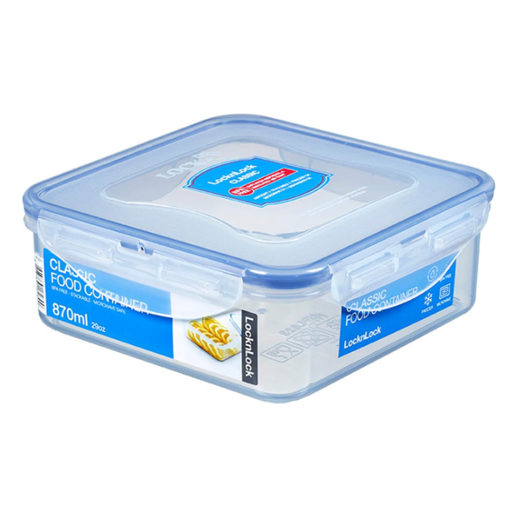
Why this product suits your needs: This 870 ml plastic container offers a practical everyday capacity for leftovers, breakfast and simple meal prep portions. Its square shape makes it easy to arrange neatly in the fridge or cupboard.
The product information clearly states that the container isn’t oven-safe. This helps you avoid the common mistake of confusing microwave and oven use.
Airtight silicone seal, stackable square shape and dishwasher-safe PP plastic, suitable for the top rack.
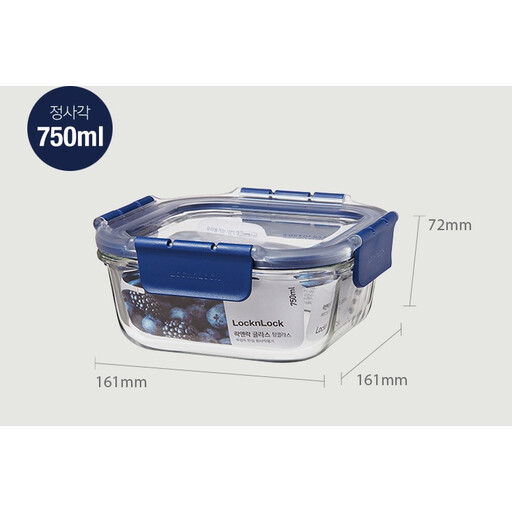
Why this product suits your needs: This glass container is a great option if you want to store and heat food in the same container, and bake in it too — as long as you remove the lid first.
The product information distinguishes between the glass container and the lid, and explains when to use the container with or without its lid. The four-sided locking system helps create a secure seal.
Borosilicate glass, suitable for temperatures up to 400 °C without the lid according to the product information, and also freezer- and dishwasher-safe.
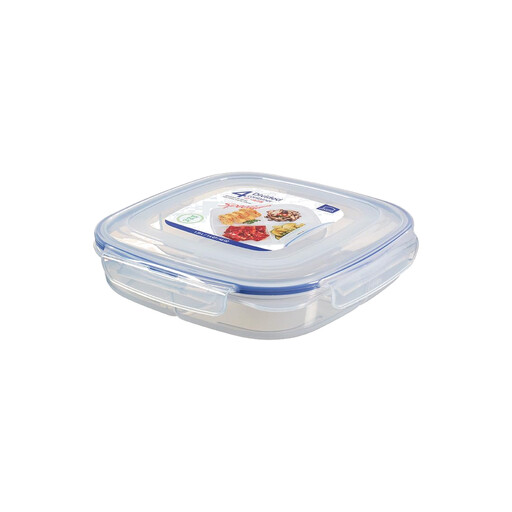
Why this product suits your needs: This set is a practical choice for families, professionals and regular meal preppers, with large containers and an integrated divider for keeping different foods separate.
The temperature range of −20 to 120 °C is clearly stated. Remove the lid or leave it partially open before microwaving; the plastic set must not be used in the oven.
1.5 litres per container, four-sided locking system, silicone seal and an integrated divider for keeping meals separate.
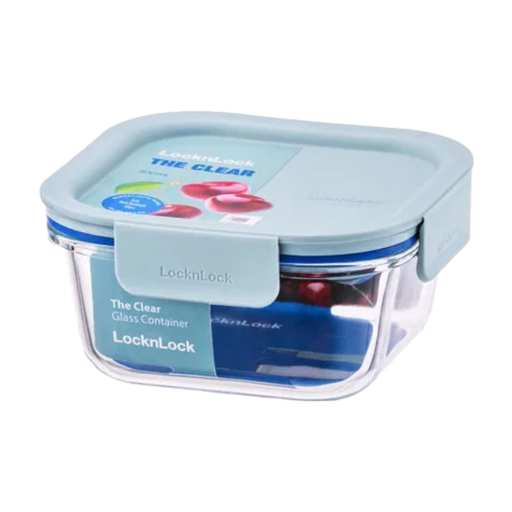
Why this product suits your needs: Its compact capacity is ideal for side dishes, individual portions and small meal prep components. Depending on how you use it, the glass container can go in the fridge, freezer, microwave or oven.
The product description specifically advises removing the lid before heating and avoiding sudden, extreme temperature changes.
500 ml capacity, square shape and silicone seal. According to the product information, it’s suitable for the oven, microwave, freezer and dishwasher.
We’ve put together a complete, regularly updated list of products that meet these strict selection criteria and fully comply with the safety regulations in force in the EU.
Before first use, wash the containers, lids and seals with warm water and mild washing-up liquid. For everyday use, keep the following in mind:
The models mentioned are generally suitable for microwave use, but not with the lid fully closed. According to the product information, glass models should also only be heated without the lid. Always follow the instructions for the specific model.
There’s no set lifespan that applies to every container. It depends on how it’s used, temperature changes, cleaning and the condition of the seal. Replace plastic containers if they become warped or cracked. Any chips or hairline cracks mean a glass container should no longer be used. Worn seals can affect how leakproof a container is.
Plastic is lightweight and practical for carrying food and freezing it frequently. Glass is a good choice if you want to store food and then heat or bake it in the same container without the lid. The key things to consider are capacity, temperature rating, external dimensions and the recommended cleaning method.