
Lieferung heute & morgen

Qualitätsgarantie

Willkommens-Angebote freischalten: KOSTENLOSE Lieferung | Bis zu 80 % RABATT | Kostenlose 30-Tage-JoyPlus-Testphase
App herunterladen
Glass food storage containers are a popular choice for any health- and eco-conscious kitchen. They're durable, don't absorb odours or stains, and unlike some plastic containers, are BPA-free. But the market is crowded, and not every product lives up to its promises. Before you invest, it's crucial to understand the common pitfalls that often lead to disappointment and wasted money.
As your Joybuy Product Recommendation Officer, I'm here to help you distinguish marketing hype from genuine product performance. We'll break down the three most common mistakes people make when buying glass containers and show you what really matters.
The "Oven-Safe" Trap: Many products are advertised as "oven-safe." However, this claim often applies only to the glass container itself. The included plastic or wooden lid is almost never designed for high temperatures. If the lid is accidentally heated in the oven or microwave, it can warp, melt, or even release potentially harmful substances, rendering the container useless for its intended purpose.
False "Leak-Proof" Promises: A container advertised as leak-proof that spills its contents in your bag is more than just an annoyance. A simple silicone gasket in the lid isn't enough. The key is the interplay between the seal and the locking system. Weak clip-locks or lids that only sit loosely on top offer no reliable security for liquids or during transport.
Unsuitable Glass Material: Glass is not just glass. The type of glass is critical for use in the oven or for freezing food. Many budget-friendly glass storage jars are made from standard soda-lime glass. This material is susceptible to thermal shock—if you move such a container directly from the fridge to a hot microwave, it can crack. For versatile use, a different material is required.
To avoid these issues, you should check three core aspects before buying. These determine the durability, safety, and functionality of your new glass containers with lids.
The most important factor for versatile glass meal prep containers is the material.
A good lid is just as important as the glass itself. Pay attention to the following:
Consider what you will primarily use the containers for.
Here are some recommendations tailored to specific needs that meet the quality criteria mentioned above.
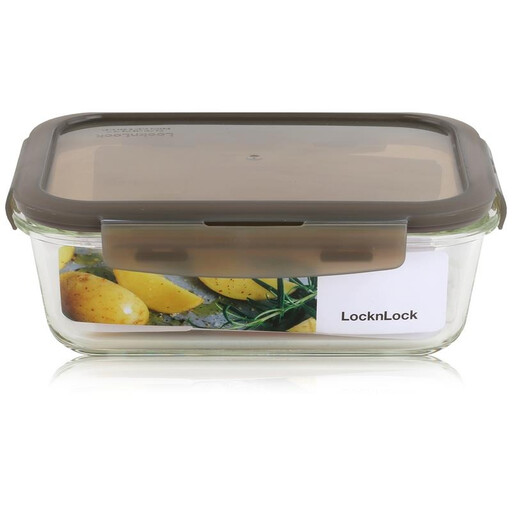
Why This Fits Their Persona: Ideal for people who prep meals, take them to work, and reheat them on-site. The size is perfect for a single portion, and the secure lock prevents accidents in their bag.
The product is made of borosilicate glass (oven-safe up to 400°C without the lid), avoiding the material trap. The patented 4-sided locking system ensures a reliable seal, solving the problem of poor leak-proofing.
High heat resistance for versatile use (oven, microwave). The proven LocknLock closure is 100% airtight and waterproof.
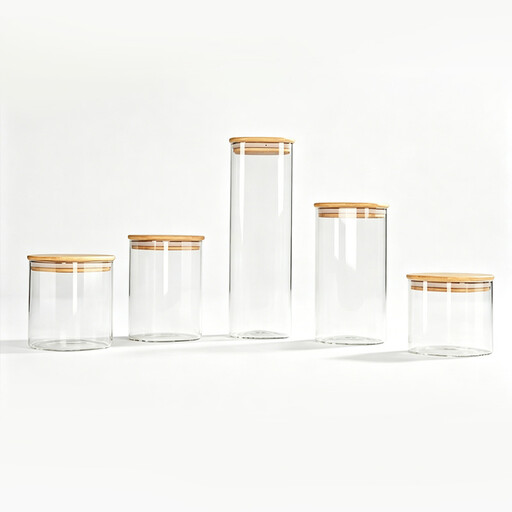
Why This Fits Their Persona: Perfect for anyone who values aesthetic and uniform storage for dry goods like flour, sugar, cereal, or pasta. The set instantly brings order and style to the kitchen.
These jars are clearly designed for pantry storage, making the "oven-safe" trap irrelevant. The focus is on an airtight seal for dry goods, which the lids with silicone gaskets provide to maintain freshness.
A set of five coordinated sizes (750 ml to 2300 ml) offers great flexibility. The attractive wood-grain finish on the lids visually enhances any kitchen.
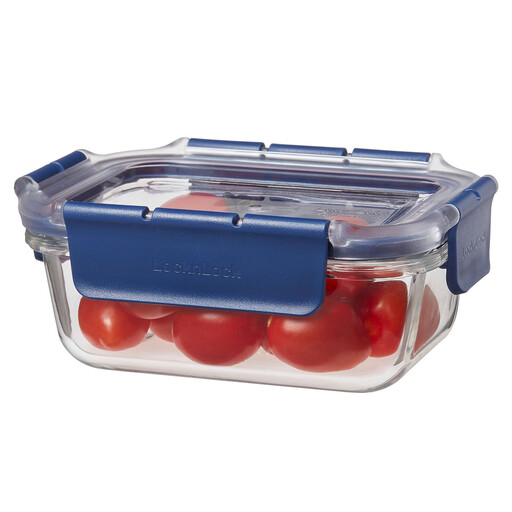
Why This Fits Their Persona: For users seeking a no-compromise solution. This container combines the best materials for both the glass and the lid, designed for intensive daily use from the oven to the freezer.
This model addresses the weak point of many containers: the lid. The Tritan lid is significantly more robust, shatterproof, and stain-resistant than standard plastic. Combined with borosilicate glass, this is an extremely durable solution.
Combines heat-resistant borosilicate glass with a high-quality, stain-resistant Tritan lid. The patented 4-sided lock ensures a 100% leak-proof seal.
We've compiled a complete, up-to-date list of products that fully meet these strict selection criteria and rigorous safety standards.
"Oven-safe" typically refers only to the glass container itself, which is usually made of borosilicate glass and can withstand temperatures up to about 400°C. The lid (made of plastic, wood, or silicone) is almost never oven-safe and must always be removed before heating in the oven or microwave to prevent damage.
The glass container is usually dishwasher-safe. However, wood and bamboo lids should be washed by hand. The moisture and high temperatures in a dishwasher can cause the wood to swell, warp, or crack, which compromises the seal and shortens its lifespan.
Look at the locking system. A lid that simply sits on top is not leak-proof. Reliable systems often feature a 4-sided clip-lock that presses the lid evenly onto the silicone gasket. This is crucial if you want to transport liquids like soups or sauces without any spills.