
Lieferung heute & morgen

Qualitätsgarantie

Willkommens-Angebote freischalten: KOSTENLOSE Lieferung | Bis zu 80 % RABATT | Kostenlose 30-Tage-JoyPlus-Testphase
App herunterladen
A good moisturiser is the foundation of any skincare routine. But the market is overwhelming and full of marketing promises that often create more confusion than clarity. Many products don't deliver on their claims, leading to unnecessary expense or even skin irritation. As your Joybuy Product Recommendation Officer, I'll help you recognise the common pitfalls and make an informed decision that truly suits your skin type.
Before we dive into the key features, let's highlight the three most common marketing traps that often mislead consumers.
To make the right choice, focus on objective criteria instead of advertising slogans. Two factors are crucial.
The INCI list (International Nomenclature of Cosmetic Ingredients) reveals what's really in a product. Look for these proven active ingredients, which should appear high up on the list:
The texture is not just a matter of personal preference; it also affects how the product feels and performs on the skin.
Here are some product recommendations tailored to specific user profiles and their needs.
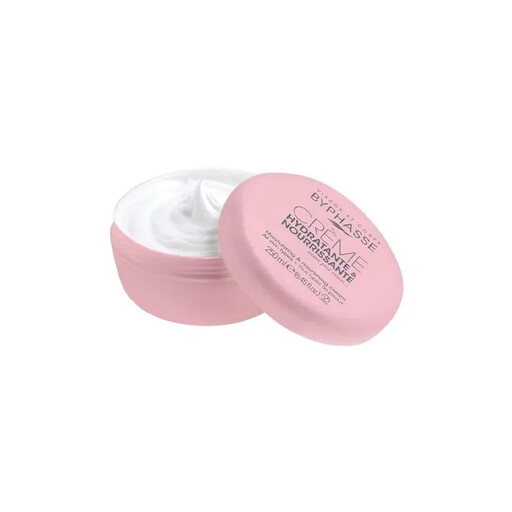
Why This Fits Their Persona: Ideal for those looking for a straightforward and versatile basic moisturiser for the face, hands, and body. The large 250 ml container offers excellent value for money for daily use by the whole family.
This product avoids the trap of overpriced 'miracle ingredients'. It relies on proven moisturisers like glycerin and sweet almond oil instead of marketing hype.
Versatility: Suitable for face, body, and hands. Generous Size: 250 ml for long-lasting use.
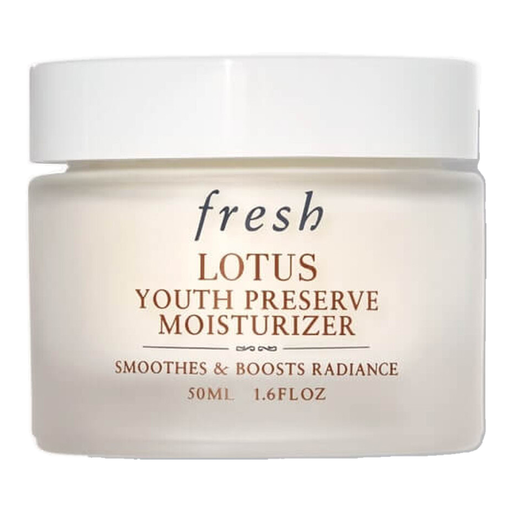
Why This Fits Their Persona: Suitable for users looking for a lightweight, hydrating day cream that also combats the first signs of ageing and serves as a good base for makeup.
This product balances a special active ingredient (Super Lotus) with proven moisturisers (glycerin, polyglutamic acid). It provides a solid foundation and avoids empty promises.
Antioxidant Effect: Protects the skin from daily stressors. Lightweight Texture: Absorbs quickly without leaving a greasy film.
We have compiled a complete, up-to-date list of products that fully meet these strict selection criteria and UK regulations.
1. How often should I apply moisturiser? For most skin types, applying twice daily is recommended: in the morning after cleansing to protect for the day, and in the evening as part of your regeneration routine. For very dry skin or in dry environments, an additional application throughout the day may be beneficial.
2. Can I use a day cream at night? Yes, that is generally possible. The main difference is that day creams are often lighter and sometimes contain SPF, while night creams are usually formulated to be richer and focus on skin regeneration during sleep. Using a day cream at night isn't harmful, but a dedicated night cream can be more beneficial for dry or mature skin.
3. What is the difference between a moisturiser and a serum? A serum typically has a lighter, more fluid consistency and contains a higher concentration of active ingredients designed to penetrate deeper into the skin. A moisturiser is thicker, and its main job is to hydrate the skin and form a protective barrier on the surface to lock that moisture in. The usual order of application is: apply the serum to cleansed skin first, then follow with the moisturiser.