Unsalted peanuts and natural almonds are obvious options if protein per 100 g is your priority when choosing an office snack. Check the specific pack: salt, energy and portion size can all influence your choice, as can the ingredients and allergen information, especially if you’re sharing snacks in the office.
Who is this choice important to?
Active people who work in an office
If protein matters to you in a snack during your working day, you can compare peanuts and almonds using the nutritional information per 100 g. Also think about how much you actually eat: a protein-rich snack doesn’t automatically replace a meal.
Those keeping an eye on salt at their desk
If you regularly keep nuts on your desk, it’s worth comparing salted and unsalted options. The word ‘roasted’ on its own doesn’t tell you whether salt has been added.
Teams mindful of allergens
When you’re sharing snacks in the office, it’s important to check the ingredients and allergen information on the specific pack. Any known allergies or workplace guidelines need to be taken into account when choosing.
What should you look for when buying?
Start by comparing protein, salt and energy per 100 g. Then decide which preparation, pack size and snack portion suit your working day.
| Criterion |
What to check |
Who it matters most to |
| Protein content |
Compare protein per 100 g: EDEKA lists 26 g for unsalted peanuts and 24 g for GUT&GÜNSTIG almonds. |
If I take nuts with me mainly for their protein content, I want to be able to compare products even when the pack sizes differ. Around 36% of consumers put this first. |
| Salt and ingredients |
Check the salt content and ingredients list for the specific option. EDEKA lists 0.01 g of salt per 100 g for unsalted peanuts and 0.8 g for salted peanuts. |
If you bring something to nibble on to the office every day, you may not want salted nuts to become a habit. For around 29% of consumers, keeping an eye on salt and ingredients comes first. |
| Portion and energy |
Compare the energy information per 100 g and consider how much you want to take with you. The EDEKA examples cited for peanuts and almonds contain 618 and 619 kcal per 100 g, respectively. |
When I eat from a large pack at my desk, it’s harder to keep track of how much I want to snack on. That’s why around 21% of consumers focus first on portion size and energy content. |
| Flavour and variety |
For mixes and seasoned products, check the ingredients as well as the protein and salt per 100 g; the product name alone isn’t enough. |
If I want a change from my usual office snack, I still want to enjoy the mix or seasoning after checking the pack information. For around 14% of consumers, this choice comes first. |
Common comparison mistakes
-
Assuming ‘roasted’ means ‘unsalted’
Roasted peanuts can still be salted. For the options compared, EDEKA lists 0.01 g and 0.8 g of salt per 100 g, respectively.
Look for the specific option you want on the pack and check the salt content and ingredients list.
-
Comparing protein figures per pack
Different pack sizes make direct comparisons difficult. The German Food Association describes nutritional information per 100 g as a common reference point for packaged foods.
Compare the figures per 100 g first, then decide which pack size you’d like for the office.
-
Overlooking the energy content of a nut snack
A high protein figure doesn’t tell you how much you should snack on. The EDEKA examples cited for peanuts and almonds contain 618 and 619 kcal per 100 g, respectively.
If it helps, set aside a portion before you start eating rather than trying to judge the amount from an open pack.
-
Ignoring allergen information for shared office snacks
Peanuts and tree nuts may not be suitable for everyone in the office. Information about possible traces can also be important for those affected.
Check the ingredients list and allergen information on each specific pack, and follow any existing allergy guidelines in your team.
Brands and places to shop
Seeberger
Seeberger offers nuts, seeds and snack mixes in a range of varieties.
- When comparing protein, salt and ingredients, you can look at individual plain products separately.
- Sweet, salted and mixed options don’t necessarily have the same nutritional values as plain nuts.
REWE / ja!
The ja! option reviewed is roasted and salted peanuts.
- REWE lists 24.4 g of protein per 100 g.
- At 1 g of salt per 100 g, this isn’t an unsalted option.
EDEKA / EDEKA Herzstücke / GUT&GÜNSTIG
The examples reviewed include unsalted and salted peanuts, as well as almonds.
- EDEKA lists 26 g of protein per 100 g for its unsalted peanuts and 24 g for GUT&GÜNSTIG almonds.
- Check the information on the pack you buy. EDEKA notes that figures may vary for some products and between stores.
Lidl / Alesto
Alesto offers both natural nuts and seasoned party snacks, according to Lidl.
- If you’re looking for different varieties, you can compare each type of product individually.
- For seasoned or coated products, the ingredients and the protein and salt information on the specific pack are what matter.
ALDI SÜD / FARMER NATURALS
ALDI SÜD lists peanuts as well as FARMER NATURALS products featuring almonds, cashews and mixes.
- For one product reviewed, made with unsalted Ültje peanuts, ALDI SÜD lists 25 g of protein and 0.05 g of salt per 100 g.
- Check the specific option and local availability; ALDI SÜD says promotional products may be available in limited quantities.
Nut products at Joybuy
These products showcase peanuts, almonds, cashews and salted pistachios as different options for an office snack. Check the nutritional information, ingredients and allergen details on the specific pack. For peanuts, also make sure the form on offer suits the preparation you’re looking for.
 No image available
Seeberger Whole Natural Almonds Extra, 500 g
Whole, natural almonds are worth considering if you’re looking for an almond snack to keep at your desk. With the 500 g pack, you can set aside the amount you want to snack on in advance.
View at Joybuy
 No image available
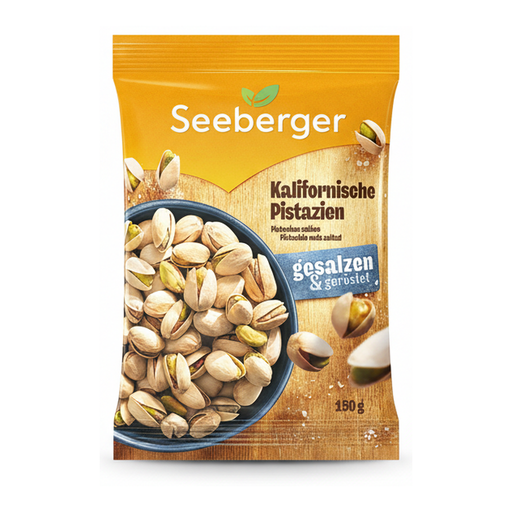
Seeberger Roasted & Salted California Pistachios, 150 g
A roasted, salted pistachio option for anyone who likes a bit of seasoning in their office snack. Check the salt content on the pack and whether you want the pistachios shelled for convenience.
View at Joybuy
 No image available
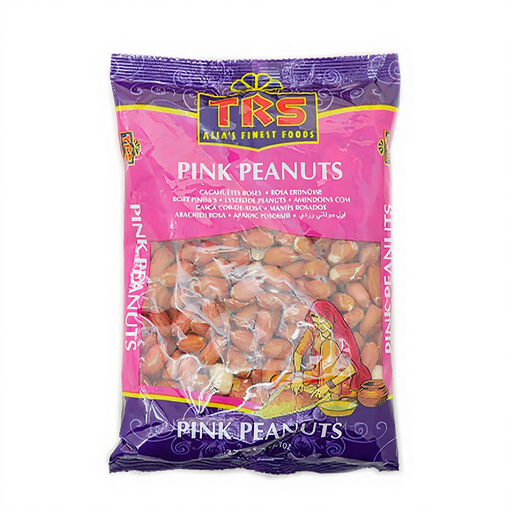
TRS Peanuts Kernels Pink, 375 g
Peanut kernels are an option to consider when comparing protein-focused snacks. For an easy office snack, check the preparation instructions and nutritional information on the specific pack.
View at Joybuy
 No image available
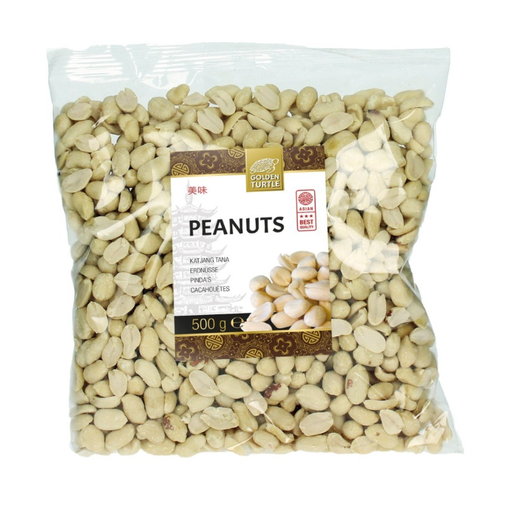
Golden Turtle Peanuts Snack, 500 g
These peanuts are another option to compare within the category. Before buying, check the preparation, ingredients and storage information; the 500 g pack isn’t a single snack portion.
View at Joybuy
 No image available
Seeberger Unsalted Roasted Cashew Kernels, 150 g
Roasted, unsalted cashews are a good option if you’d like to take cashews rather than peanuts or almonds. If protein is your priority, compare the content per 100 g.
View at Joybuy
Frequently asked questions
Which nuts can I compare for a protein-focused office snack?
Unsalted peanuts and natural almonds are obvious starting points: for the products reviewed, EDEKA lists 26 g and 24 g of protein per 100 g, respectively. Cashews are another option if you fancy a different flavour; check the figures on the specific pack, too.
Are salted peanuts the same as unsalted ones?
No. The salt content in particular differs between the specific options. EDEKA lists 0.01 g of salt per 100 g for the unsalted peanuts reviewed and 0.8 g for a salted option, so check the pack you’re planning to buy.
How do I compare nuts in different-sized packs?
Start with the nutritional information per 100 g rather than figures per pack. This lets you compare protein, energy and salt before deciding which pack size and snack portion will work for you.
What should I bear in mind when bringing nuts into a shared office?
Before sharing, check the ingredients and allergen information on each pack, and take any known allergies and team guidelines into account. A general comparison of protein or salt figures won’t tell you whether a product is suitable for someone with an allergy.


